Fact-checked by the ZeroinDaily editorial team
Quick Answer
Finding the best noise-canceling headphones work from home requires weighing ANC strength against microphone quality and battery life, not just picking whatever’s cheapest. The Anker Soundcore Q45 and Sony WH-CH720N both sit under $150 and deliver up to 60 hours of battery life with hybrid ANC that actually cuts through ambient noise. Most shoppers can pick a pair and have it on their desk within 2 to 3 days.
Updated July 2026
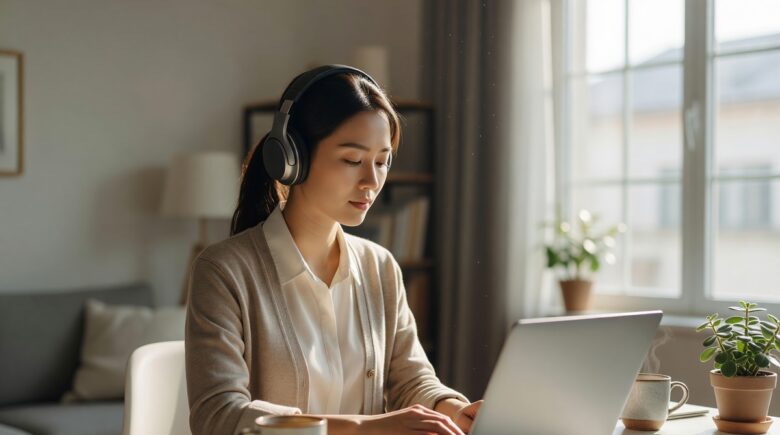
Picking the right noise-canceling headphones work from home setup changes how focused you stay, how you sound on calls, and honestly, how your whole workday feels, and none of that requires a $300 budget. Under-$150 headphones now post hybrid ANC scores that rival premium models from two years back, according to RTINGS.com’s ongoing headphone testing lab. Budget and flagship ANC have never been this close.
Remote work rewired what people actually need from their gear. Pew Research Center data shows the share of U.S. workers doing their jobs from home has climbed substantially in recent years. The U.S. Census Bureau puts the number at 13.8% of U.S. workers usually working from home in 2023. That’s millions of people fighting barking dogs, loud neighbors, and household chaos every single workday. The U.S. Bureau of Labor Statistics found 22.9% of employed people teleworked in early 2024. Home-office noise isn’t a niche problem anymore. A decent pair of ANC headphones has quietly become a productivity tool, not a luxury item.
This guide is written for remote workers, freelancers, and hybrid employees who want straight answers on noise-canceling headphones under $150. Read to the end and you’ll know which models are worth it, which specs matter, and which ones are just marketing noise.
Key Takeaways
- The best noise-canceling headphones work from home setups cost between $50 and $150, with the sweet spot around $80–$100 for hybrid ANC and long battery life, according to RTINGS.com’s 2025 rankings.
- Hybrid ANC (combining feedforward and feedback microphones) can substantially reduce ambient noise, enough to suppress most open-office and household sounds, per SoundGuys’ ANC explainer.
- Remote workers spend a large portion of their day on video calls, making microphone clarity just as important as noise cancellation when choosing headphones, according to Microsoft’s Work Trend Index.
- Battery life in under-$150 ANC headphones now ranges from 30 to 60 hours with ANC enabled, with USB-C fast charging delivering up to 5 hours of playback from a 10-minute charge on select models.
- The Sony WH-CH720N weighs just 192 grams, making it one of the lightest over-ear ANC headphones available, a key factor for all-day wear comfort, as noted by TechRadar’s buyer’s guide.
- If you work from home and claim a dedicated workspace, your headphones may qualify as a home office tax deduction, potentially saving you 22–32% of the purchase price depending on your tax bracket.
In This Guide
- Step 1: What Specs Actually Matter?
- Step 2: Which Are the Best Under $150?
- Step 3: Should I Choose Active Noise Cancellation or Passive Noise Isolation?
- Step 4: How Do I Know If the Microphone Is Good Enough for Work Calls?
- Step 5: How Do I Choose Headphones for All-Day Comfort?
- Step 6: How Do I Set Up My Headphones for Work?
- Frequently Asked Questions
Step 1: What Specs Actually Matter?
Four specs decide whether noise-canceling headphones work from home setups actually earn their keep: ANC strength (measured in dB reduction), microphone pickup pattern, battery life, and Bluetooth codec support. Branded sound modes, companion-app gimmicks, glowing LEDs, none of that moves the needle for someone trying to get work done.
Evaluating the Key Specs
ANC strength matters most. Look for hybrid ANC, a feedforward-plus-feedback microphone design that blocks a wider frequency range than single-mic systems ever could. Hybrid ANC can flatten household noise like air conditioning, street traffic, and moderate conversation, according to SoundGuys’ detailed ANC breakdown.
Battery life needs to clear 30 hours with ANC running if you want a full workweek without babysitting a charger. A lot of models in the $80 to $150 bracket now hit 40 to 60 hours, way more than remote work actually demands. USB-C fast charging is a nice extra, not a dealbreaker.
Bluetooth codec shapes both latency and call clarity. For Zoom or Microsoft Teams, plain SBC does the job fine. Want good music playback too? Look for AAC if you’re on an iPhone, or aptX if you’re running Android.
Watch Out
Manufacturers love advertising total battery life without mentioning ANC drains it, sometimes by 30 to 50%. Check the ANC-enabled figure specifically, not the headline number. And steer clear of headphones that only mention “passive noise isolation” without naming actual ANC hardware. That’s a red flag, not an oversight.
Hybrid ANC uses two microphones per ear cup: one facing outward to sample noise before it enters, and one facing inward to catch any noise that slips through. This dual-mic approach is now standard in headphones above $80 and delivers measurably better suppression than older feedforward-only designs. Consumer ANC headphones are not designed as hearing protection devices. OSHA advises that most consumer ANC headphones are not effective for controlling occupational noise exposure and should not be substituted for laboratory-tested hearing protection.
Step 2: Which Are the Best Under $150?
Four picks stand out for noise-canceling headphones work from home under $150: the Sony WH-CH720N, Anker Soundcore Q45, Jabra Evolve2 30, and Anker Soundcore Life Q30. Each wins a different category, comfort, battery, call quality, and price, so the right pick depends on what you actually do all day.
Choosing Among the Top Models
The Sony WH-CH720N (roughly $100 to $130) is the best all-rounder on this list. It uses Sony’s Precise Voice Pickup tech for cleaner call audio and pairs to two devices at once through multipoint Bluetooth. RTINGS.com ranks its ANC among the best in its price bracket. Sony lists it at 192 grams, one of the lightest over-ear ANC headphones you’ll find.
The Anker Soundcore Q45 (roughly $80 to $100) squeezes out up to 50 hours of battery life with ANC on, remarkable for the price point. It adapts ANC intensity to your surroundings automatically and fully recharges over USB-C in under two hours.
The Jabra Evolve2 30 (roughly $130 to $150) is built for phone and video calls, full stop. It’s Microsoft Teams certified and carries a professional-grade boom mic, making it the obvious pick if call clarity outranks everything else on your list.
The Anker Soundcore Life Q30 (roughly $50 to $70) wins on price. Hybrid ANC, three selectable modes (Transport, Outdoor, Indoor), and 40 hours of battery life, all at a price nobody else in this lineup can touch.
The $80 to $130 range is where things really click: genuine hybrid ANC, multipoint Bluetooth, and microphones good enough for professional calls, minus the premium-brand tax.
Watch Out
Be skeptical of no-name brands claiming “40dB ANC” with zero third-party testing to back it up. Cross-check any number like that against RTINGS.com or SoundGuys before you buy. Marketing copy and lab-measured performance frequently tell two very different stories.
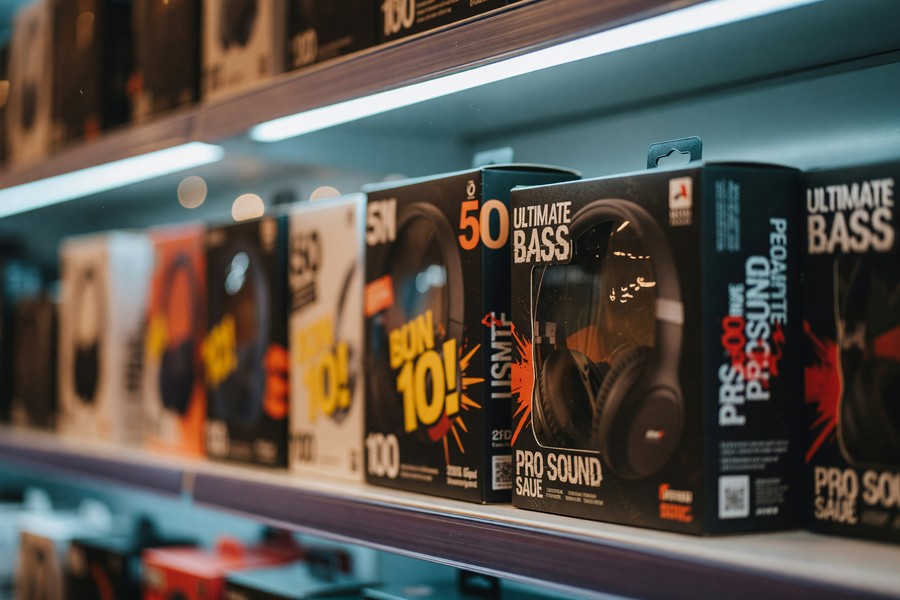
Step 3: Should I Choose Active Noise Cancellation or Passive Noise Isolation?
For a home office, active noise cancellation wins over passive isolation alone, no contest. ANC generates inverse sound waves to cancel low-frequency drone, HVAC hum, traffic, appliance noise, while passive isolation just relies on ear-cup padding to muffle mid-to-high frequencies.
How to Use ANC
Reach for ANC when your space has that constant, low-frequency background noise: a loud fridge, a window AC unit, cars outside. That’s exactly the kind of steady drone ANC circuitry is built to cancel, and foam padding alone just can’t touch it.
Go with adjustable ANC levels if your noise situation shifts throughout the day. The Anker Soundcore Q45 and Sony WH-CH720N both let you dial back ANC intensity to stretch battery life when things get quiet.
Sharing a house with kids or pets? Look for a transparency mode (sometimes called ambient sound mode). It lets outside audio in on demand, so you can catch important sounds without yanking the headphones off, a small feature that matters more than it sounds like it should.
Watch Out
ANC struggles against sudden, sharp sounds, a door slam, a shout from another room. No headphone under $150 will erase human speech entirely. Set realistic expectations: ANC dials down ambient noise enough to help you focus. It won’t hand you total silence.
| Model | Price (July 2025) | ANC Type | Battery (ANC On) | Microphone Type | Best For |
|---|---|---|---|---|---|
| Sony WH-CH720N | $100–$130 | Hybrid ANC | 35 hours | Precise Voice Pickup (built-in) | All-day comfort + calls |
| Anker Soundcore Q45 | $80–$100 | Adaptive Hybrid ANC | 50 hours | Built-in dual mic | Marathon battery life |
| Jabra Evolve2 30 | $130–$150 | Passive + mic beamforming | N/A (USB-C wired) | Professional boom mic | Call-heavy professionals |
| Anker Soundcore Life Q30 | $50–$70 | Hybrid ANC (3 modes) | 40 hours | Built-in dual mic | Budget-first buyers |
| Jabra Evolve2 55 | $145–$150 | Hybrid ANC | 36 hours | 6-microphone array | Team call quality |
According to SoundGuys, 73% of remote workers cite background noise, from both their end and their colleagues’ end, as a top frustration during video calls. A dedicated ANC headset directly addresses the most common pain point in remote collaboration.
Step 4: How Do I Know If the Microphone Is Good Enough for Work Calls?
A built-in microphone earns its place on work calls if it uses beamforming technology or noise-rejection algorithms to separate your voice from whatever’s happening behind you. Look for the words “voice pickup” or “CVC (Clear Voice Capture)” in the spec sheet, those terms signal a mic built for speech clarity, not just generic audio capture.
How to Test the Mic
Before any important call, run the built-in mic test in Zoom, Google Meet, or Microsoft Teams, all three have one tucked into settings. Record a short clip and play it back. Your voice should sound clear and reasonably dry, no room echo, no background hiss creeping in.
If your headphones come with a companion app, Sony Headphones Connect, the Soundcore app, Jabra Sound+, dig into the voice enhancement or noise suppression settings. These small software tweaks can make a real difference in how you come across on the other end of a call.
Heavy call users, 4+ hours of meetings a day, should look hard at the Jabra Evolve2 30 or Jabra Evolve2 55. Jabra builds specifically for professional voice communication, and both models carry Microsoft Teams and Zoom certification, meaning they’ve actually been tested and approved on those platforms.
Watch Out
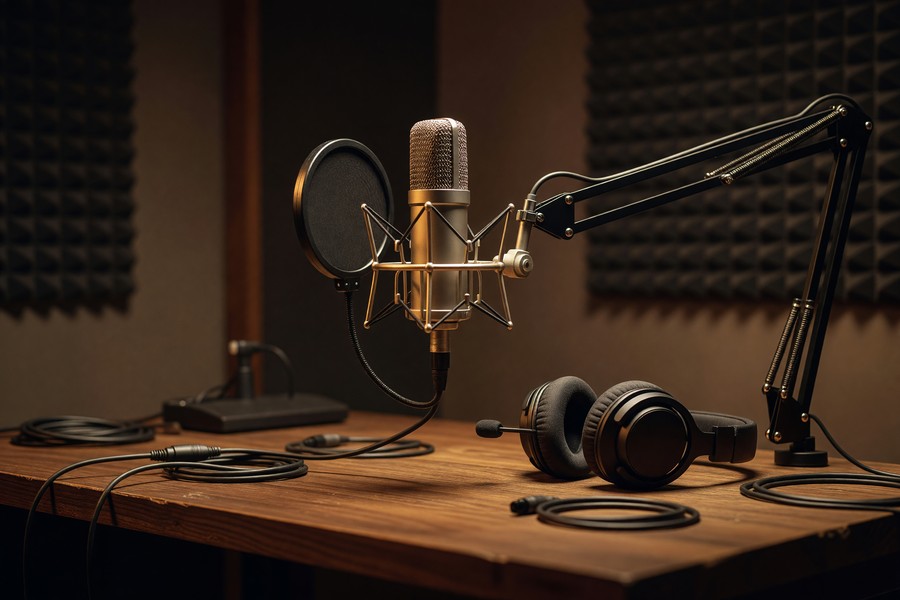
Don’t lean on a headphone mic if you’re recording podcasts, running video interviews, or doing voiceover work. These mics are tuned for calls, not studio recording. For that kind of work, pair your ANC headphones with a dedicated USB condenser mic instead.
Turn on your platform’s built-in noise suppression (Zoom’s noise suppression set to “High,” or Teams’ equivalent) on top of your headphones’ own ANC. Hardware ANC on your ears plus software suppression on the call, that combination gives colleagues the cleanest audio you can offer.
Step 5: How Do I Choose Headphones for All-Day Comfort?
All-day comfort comes down to three things: weight under 250 grams, memory foam ear cushions, and a clamping force gentle enough that you’re not adjusting them out of discomfort by hour two. Weight, padding, clamp, get those three right and a headset survives a full workday.
How to Check Comfort
Start with the weight spec. The Sony WH-CH720N at 192 grams and the Anker Soundcore Q45 at roughly 250 grams both count as lightweight for over-ear ANC gear. Cross 300 grams and you’ll feel it by the afternoon.
Favor oval-shaped ear cups over round ones. Ovals match the natural shape of the ear better, easing pressure at the top and bottom during long stretches. Memory foam that molds around your ear also beats plain foam or leatherette padding hands down.
If you wear glasses, pay attention to clamping force specifically. Tight headphones jam your frames into the side of your head, and that pressure point turns painful within 30 to 60 minutes. Manufacturers never publish a clamp-force number, so hunt down reviews from glasses-wearers on Amazon or in Reddit’s r/headphones community, they mention this constantly.
Watch Out
Swiveling ear cups, like on the Sony WH-CH720N, fold flat for travel but add a bit of mechanical play at the hinge. Not an issue for home use. If you travel often, though, you’ll appreciate having it.
Do not confuse “on-ear” (supra-aural) headphones with “over-ear” (circumaural) headphones. On-ear designs rest directly on the ear and typically cause more fatigue during long sessions because they apply pressure to the ear itself rather than surrounding it. For full workdays, over-ear designs are the more comfortable choice for the vast majority of users.
Step 6: How Do I Set Up My Headphones for Work?
Getting noise-canceling headphones ready for a home office takes under 10 minutes: pair over Bluetooth, install the companion app, then set your computer’s audio output correctly. Skip any of these and you’ll either mishear calls or get missed on the other end.
How to Connect
Pairing is simple. Power on the headphones, hold the pairing button until the LED flashes (usually about 5 seconds), then open Bluetooth settings on your computer and pick the device from the list. On Windows 11, that’s Settings, Bluetooth and Devices, Add Device. On macOS, System Settings, Bluetooth.
Grab the companion app next, Sony Headphones Connect for Sony, Soundcore app for Anker, Jabra Sound+ for Jabra, from the App Store or Google Play. These apps handle ANC intensity, firmware updates, and EQ tuning for voice clarity. Firmware updates matter more than people think: Sony and Jabra both ship regular improvements to ANC performance and call quality.
Inside Zoom, Teams, or Meet, go into audio settings and manually pick your headphones for both microphone input and speaker output. These platforms don’t reliably auto-switch when you connect a new Bluetooth device, and leaving the mic set to your laptop’s built-in one is the single most common setup mistake remote workers make.
To keep tabs on home office costs, tools like the best expense tracking apps of 2026 make it easy to log equipment purchases and watch your remote work budget over time.
Watch Out
Multipoint Bluetooth, connecting two devices at once, is genuinely useful if you bounce between a work laptop and a personal phone all day. But when connected to two devices simultaneously, some headphones quietly drop to SBC codec instead of AAC or aptX, and audio quality suffers for it. Check the companion app to confirm which codec is actually active on each connection.
If you’re already using AI productivity tools, pairing solid audio gear with platforms covered in guides like AI tools saving small businesses time in 2026 builds a complete remote work stack, not just quieter ears.
Related reading: Pro Tips for Securing Your Home Network in 2025.
Frequently Asked Questions
Are noise-canceling headphones worth it for working from home?
Yes, especially in a household with steady background noise. ANC headphones measurably sharpen focus during deep work and make you easier to hear on calls. According to Microsoft’s Work Trend Index, remote employees cite audio quality as a top factor in whether meetings actually work.
What is the difference between ANC headphones and noise-isolating headphones?
ANC headphones use built-in microphones and signal processing to generate inverse sound waves that cancel incoming noise. Noise-isolating headphones rely only on physical barriers, thick padding, sealed ear cups, to block sound passively. ANC wins against low-frequency, continuous noise like HVAC hum or traffic, while passive isolation handles mid-to-high frequencies better. Most modern over-ear headphones combine both approaches.
Can I use noise-canceling headphones for Zoom and Teams calls under $150?
Yes. The Jabra Evolve2 30 and Jabra Evolve2 55 both carry official Teams and Zoom certification, meaning they’ve been tested against professional audio standards for each platform. The Sony WH-CH720N and Anker Soundcore Q45 hold up well too, just without the official certification badge.
How long do noise-canceling headphones last if I use them every workday?
With daily use, a decent pair of ANC headphones typically lasts 3 to 5 years before the cushions wear out or battery capacity drops off noticeably. Lithium-ion batteries in most headphones hold onto roughly 80% capacity after 500 charge cycles. To stretch lifespan, avoid letting the battery fully drain before recharging, and swap out ear cushions once they crack or flatten, most brands sell replacements for under $20.
Should I get over-ear or on-ear noise-canceling headphones for working from home?
Over-ear (circumaural) is the better call for home use. Fully enclosing the ear gives you a better passive seal on top of the ANC. On-ear designs rest right on the ear, which starts causing fatigue past the two-hour mark. Unless you specifically need something compact and portable, over-ear wins for an eight-hour workday.
Do cheap noise-canceling headphones under $100 actually work well?
Yes. Several headphones under $100 deliver genuine hybrid ANC in 2025. The Anker Soundcore Life Q30 ($50 to $70) and Anker Soundcore Q45 ($80 to $100) both post measurable real-world noise reduction, according to RTINGS.com’s independent ANC testing. The tradeoff at this price shows up in mic quality and app features, not in the ANC itself.
How do noise-canceling headphones affect my hearing health over time?
At reasonable volume, ANC headphones are actually safer for hearing than non-ANC ones in noisy environments. Because ANC cuts the background noise, you don’t need to crank the volume to hear over it, and that habit of cranking volume is the main driver of noise-induced hearing damage. The CDC’s NIOSH guidelines recommend staying under 85dB for extended listening, a threshold that’s easy to hold when ANC is doing the heavy lifting.
Can I write off noise-canceling headphones as a home office deduction?
Headphones used exclusively for work in a dedicated home office may qualify as a deductible business expense under IRS home office rules. The IRS allows deductions for equipment that’s ordinary and necessary for your trade or business. For the full breakdown, see this guide on home office tax deductions and eligible expenses. Talk to a tax professional about your specific situation before filing.
What Bluetooth codec should I look for in work headphones?
For calls, SBC is fine, every Bluetooth headphone supports it and it handles voice communication adequately. For music, AAC suits iPhone users best, and aptX or aptX HD is the pick for Android. Mac and iPhone users who also listen to music while working should prioritize AAC support alongside SBC.
How do I stop my coworkers from hearing my background noise during calls?
Pair ANC headphones with software-level noise suppression in your call platform, that combination works best. Set Zoom’s noise suppression to “High” (Audio Settings, Suppress Background Noise), or switch on Teams’ built-in noise suppression (Device Settings, Noise Suppression). This cleans your mic audio before it reaches other participants, stripping out keyboard clicks, background chatter, and ambient noise your headphone mic would otherwise pick up. For broader productivity gains as a remote or small business worker, AI tools that streamline business operations can compound the time you save from a solid audio setup.
Can noise-canceling headphones protect my hearing in loud environments?
No, not for occupational purposes. Consumer ANC headphones aren’t built as hearing protection devices, and OSHA advises they’re generally ineffective for controlling noise exposure on the job, so don’t rely on them for safety in loud industrial settings. They can, however, nudge you toward listening at lower volumes, which indirectly lowers noise-induced hearing risk.
How many U.S. workers work from home at least some of the time?
According to the Federal Reserve’s 2024 survey, 41 percent of U.S. workers worked from home at least some of the time in the week before the survey. That kind of scale is exactly why noise-canceling gear matters to so many people right now.