Fact-checked by the ZeroinDaily editorial team
Quick Answer
Solo female budget travel across 12 countries on under $40 a day is doable with consistent planning. Prioritize hostels, local food, and overland transport. Use fee-free cards like Wise or Charles Schwab. Stay 7+ days per destination to reduce moving costs. This works best in regions with stable infrastructure, Southeast Asia and Eastern Europe. It doesn’t work well in places with poor public transit, limited English, or unreliable internet.
Updated July 2026
Solo female budget travel has become one of the most accessible ways to see the world. Women are crossing entire continents for less than what many people spend on a weekend at home, according to research compiled by AdventureWomen, which tracks growth in solo female trip bookings and traveler demographics year over year. The traveler at the center of this guide crossed 12 countries, spanning Southeast Asia and Eastern Europe, keeping her average daily spend under $40 through a disciplined mix of hostels, street food, and overland buses.
Timing works in her favor. Favorable currency exchange rates in regions like Southeast Asia and the Balkans, expanded budget airline routes, and a growing network of affordable co-living spaces and hostels make this style of travel more accessible than it has been in years. Remote-work visa programs in countries like Albania and Georgia have also opened new corridors that budget travelers are using for extended, low-cost stays.
This guide is for women who are serious about long-term independent travel without burning through their savings. Whether you are planning your first solo trip or trying to stretch a modest travel fund across an entire continent, you will come away with a repeatable system covering budgeting, accommodation, safety, transport, and daily spending, built from real-world experience crossing 12 countries on less than $40 a day.
Key Takeaways
- A daily budget of roughly $35–$40 is realistic for solo female travel across Southeast Asia and Eastern Europe when combining dorm accommodations, street food, and overland transport.
- Accommodation typically accounts for 30–40% of a daily travel budget, making hostel and guesthouse selection the single most impactful cost-cutting decision, according to Hostelworld’s budget travel data.
- Travelers who use fee-free debit cards such as Wise or Charles Schwab can meaningfully cut ATM and foreign transaction fees on a multi-month trip, per Wise’s travel money analysis.
- Slow travel, spending 7 or more days per destination, reduces transport costs by up to 50% compared to moving every 2–3 days, per ZeroInDaily’s slow travel guide.
- According to the U.S. Department of State’s traveler safety resources, women who research destination-specific safety alerts before arrival tend to report fewer security incidents than those who do not.
- Online communities like the Facebook group “Girls LOVE Travel” are a widely cited resource for solo female travelers looking for vetted accommodation and safety tips before a first trip, per AdventureWomen.
In This Guide
- How do I set a daily budget that actually works?
- Which countries are best for solo female budget travel?
- How do I find safe, affordable accommodation?
- How do I keep transport costs low?
- How do I eat well for under $10 a day?
- What’s the most important safety strategy?
- How do I avoid money traps abroad?
- Frequently Asked Questions
How do I set a daily budget that actually works?
The most effective way to build a daily travel budget is to break it into four fixed categories, accommodation, food, transport, and activities, and assign a spending cap to each before you leave home. For solo female budget travel in low-cost regions, a workable breakdown on a $40-per-day target looks like this: $12–$15 on a bed, $8–$10 on food, $5–$8 on local transport, and $5–$10 on activities or entry fees.
How to Do This
Start by researching the cost of living for each country on your itinerary using Numbeo’s cost of living database, which provides city-level data on food, rent, and transport. Countries like Vietnam, Albania, Georgia, and Cambodia consistently rank among the most affordable destinations for travelers willing to live like locals rather than tourists.
Next, build a master spreadsheet with a column for each country and rows for each spending category. Apps like the best budgeting apps of 2026, including Trail Wallet and TravelSpend, are built for multi-currency tracking on the road and will flag when you are trending over budget in any category. It’s the same logic that domestic budgeting tools like Mint or You Need A Budget apply to a monthly paycheck, just adapted for shifting currencies and border crossings.
What to Watch Out For
A common mistake is building a budget around the cheapest possible day rather than a sustainable average. Border crossing fees, visa costs, and travel days with no cooking access will push daily spending above your baseline. Build a 15–20% buffer into your monthly total to absorb these irregular expenses without derailing your overall budget.
Research visa fees for every country on your route before departure. A single e-visa can cost $25–$50 and is easy to miss in a daily budget calculation. Lumping visa costs into a separate “entry fees” category, separate from your daily spend, gives you a more accurate picture of true daily costs.
Which countries are best for solo female budget travel?
Southwest Asia and the Balkans offer a rare balance of low cost and reliable infrastructure. Vietnam, Cambodia, Thailand, and Indonesia stand out in Southeast Asia. In Eastern Europe, Albania, North Macedonia, and Bosnia provide strong value with lower travel costs and growing support for backpackers.
How to Do This
Use the U.S. Department of State’s country-specific travel advisories alongside the Global Peace Index published annually by the Institute for Economics and Peace to cross-reference cost data with safety rankings. Albania, for example, ranks well globally for safety while offering some of the lowest average daily costs for budget travelers in the region.
For Southeast Asia, the classic backpacker circuit, Thailand, Laos, Cambodia, Vietnam, remains one of the most well-trodden and infrastructure-rich routes for solo women. Guesthouse networks, female-only dorm rooms, and established traveler communities in cities like Chiang Mai, Hoi An, and Siem Reap reduce both cost and logistical friction considerably. For European routes, our guide to the best cities in Europe for a budget solo trip provides a ranked breakdown of affordable destinations with strong safety records.
What to Watch Out For
Not all low-cost countries are good for solo female travel. In regions like rural parts of Indonesia or remote villages in North Macedonia, language barriers, limited public transport, and minimal English support can turn a cheap stay into a stressful experience. This plan works best in areas with established backpacker infrastructure, not in isolated or underdeveloped zones.
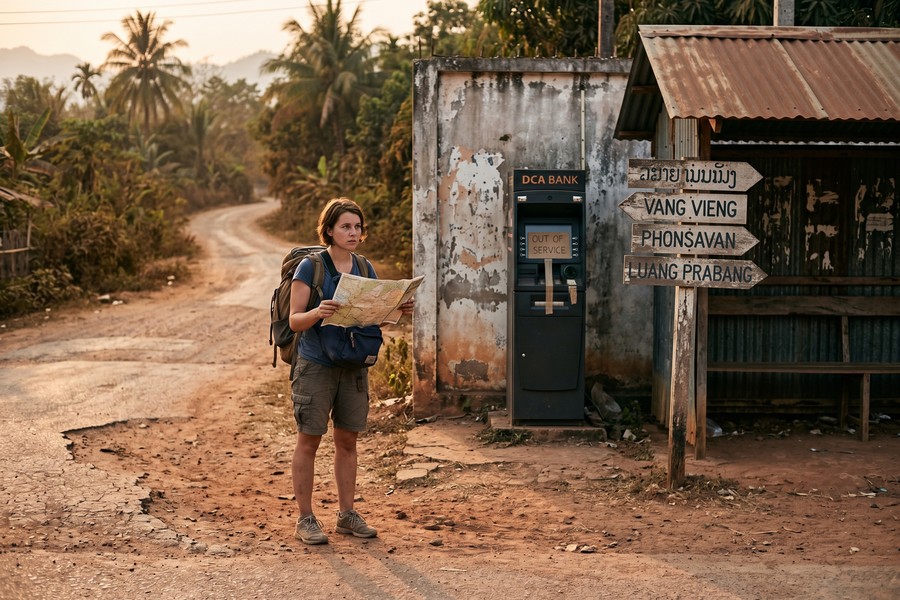
Vietnam’s average daily travel cost for a budget backpacker runs roughly $28–$38, including accommodation, street food, and local transport, based on city-level cost figures tracked by Numbeo, consistently placing it among the most affordable countries for solo female budget travel.
| Country | Avg. Daily Cost (Budget) | Safety Rating (GPI 2024) | Best For | Female-Friendly Hostels |
|---|---|---|---|---|
| Vietnam | $28–$38 | Rank 41 (Very Safe) | Food, culture, slow travel | Abundant (Hanoi, Hoi An) |
| Albania | $30–$42 | Rank 22 (Very Safe) | Mountains, beaches, offbeat | Growing network |
| Cambodia | $25–$35 | Rank 89 (Moderate) | History, temples, budget food | Strong in Siem Reap |
| Georgia | $32–$45 | Rank 19 (Very Safe) | Wine, mountains, digital nomads | Growing co-living scene |
| North Macedonia | $25–$38 | Rank 30 (Very Safe) | Lakes, culture, underrated Europe | Limited but affordable guesthouses |
| Indonesia (Bali) | $30–$45 | Rank 46 (Safe) | Beaches, wellness, community | Excellent female traveler hostels |
How do I find safe, affordable accommodation?
The safest and most affordable accommodation strategy for solo female budget travel is to book female-only dormitory rooms in well-reviewed hostels rather than private rooms or unvetted guesthouses. Female dorms typically cost $6–$15 per night depending on the region and offer a built-in community of other solo women travelers.
How to Do This
Use Hostelworld and Booking.com simultaneously. Hostelworld has stronger hostel-specific filtering for female dorms, while Booking.com often surfaces guesthouses and small hotels at competitive rates. Filter by rating above 8.0 out of 10 and read at least 10 recent reviews specifically from solo female travelers before booking.
For extended stays of one week or more in a single city, platforms like Workaway and Worldpackers allow travelers to exchange a few hours of volunteer work per day for free accommodation. This strategy can reduce accommodation costs to $0 for weeks at a time and is particularly effective in Southeast Asia and Central America.
What to Watch Out For
Not all hostels are equal. A well-reviewed dorm in a social hostel is generally safer than a cheap, isolated private guesthouse. But in places like rural Georgia or remote parts of Cambodia, even female dorms can be hard to find. If you’re traveling to a town with no hostels or only one, you may have to stay in a guesthouse, just be extra cautious with entry, locks, and location.
One of the most common budgeting mistakes solo female travelers make is overspending on accommodation out of fear. A well-reviewed female dorm in a social hostel is generally safer than a cheap, isolated private guesthouse, and it costs a fraction of the price. Hostel loyalty programs are also underused: Selina, a global co-living and hostel brand with locations across 20+ countries, offers membership plans starting at $99 per month that include discounted beds, coworking access, and community events, a solid option for slow travelers planning to spend 2–4 weeks per location.
Always message the hostel directly before booking to ask about the neighborhood, nearest ATM, and whether solo female guests feel comfortable arriving at night. The quality and speed of their response tells you a lot about how they will treat you as a guest.
How do I keep transport costs low?
Keeping transport costs below $8 per day across a multi-country itinerary requires defaulting to overland travel, buses and trains, rather than flying between every destination, and embracing the slow travel mindset of fewer moves and longer stays. A single budget flight between nearby countries often costs more than two or three days of all other expenses combined.
How to Do This
For Southeast Asia, the 12Go Asia platform aggregates bus, train, and ferry options across the region and allows booking in advance, critical for overnight routes where beds sell out early. Overnight sleeper buses in Vietnam, for example, cost $8–$18 for routes that would cost $60–$120 to fly, and they eliminate a night’s accommodation cost simultaneously.
In Europe, the FlixBus network connects hundreds of cities across Eastern and Western Europe at prices that undercut regional flights on most routes when booked at least a week in advance. The Omio comparison tool helps identify the cheapest combination of bus, train, and rideshare options for any given route. For longer overland journeys, our resource on strategies to save money on trips, flights, and hotels breaks down when flying actually becomes cheaper than the overland alternative.
What to Watch Out For
Factor in the hidden costs of transport, airport taxes, luggage fees on budget airlines, and taxi fares to out-of-city bus terminals. These can add $20–$40 to what appears to be a cheap journey. Our guide on hidden costs of travel including transfers covers the most common traps in detail.
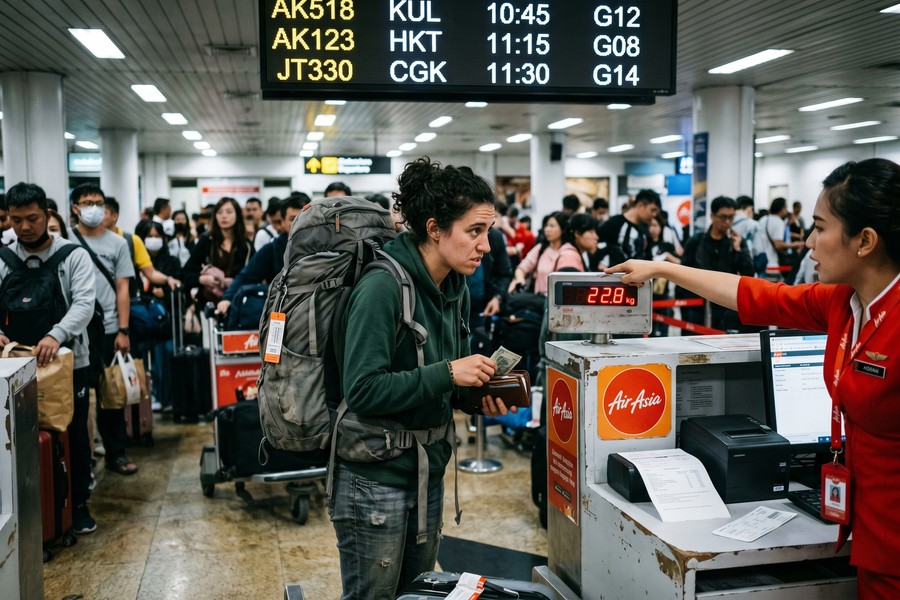
Slow travel, spending 7 or more days in a single destination before moving, reduces average daily transport costs by up to 50%. It also enables travelers to negotiate weekly rates at guesthouses, which are typically 20–30% cheaper than nightly rates booked day by day.
How do I eat well for under $10 a day?
Eating well on under $10 per day as a solo female budget traveler is entirely realistic in most of Southeast Asia and Eastern Europe when you prioritize local markets, street food stalls, and self-catering over tourist-facing restaurants. In Vietnam and Cambodia, a full cooked meal from a street vendor costs $1.50–$3. In the Balkans, a hearty burek or grilled meat plate runs $2–$4.
How to Do This
The fastest way to locate cheap, safe street food in any new city is to follow the local lunch crowd. Street stalls and market vendors that are busy with local workers between noon and 2 p.m. are a reliable indicator of both quality and fair pricing. Avoid restaurants on main tourist streets, prices are typically 2–3 times higher than equivalent food two blocks away.
For self-catering, most hostels have shared kitchens. Buying staples, eggs, bread, fruit, and local grains, from a neighborhood market for $3–$5 can replace two meals a day on low-spend days, bringing your food budget to under $7 with one street food meal included.
What to Watch Out For
Be cautious with food hygiene in very hot climates. Stick to freshly cooked items rather than pre-prepared foods sitting out for extended periods. Carrying oral rehydration salts and a basic travel medication kit eliminates the risk, and the cost, of a stomach illness derailing your budget for several days.
Budget travelers who eat where locals eat consistently spend less and eat better than those who default to restaurants with English menus. Pointing at something on a menu you cannot read, and eating whatever arrives, is an underrated skill in solo budget travel, and often the difference between a $3 meal and a $12 one.
What’s the most important safety strategy?
The most important safety strategy for solo female budget travel is informed preparation rather than avoidance. Knowing which neighborhoods to stay in, which transport options are safest at night, and how to communicate locally reduces risk more effectively than spending more money on premium options. Safety and budget travel are not in conflict when you plan properly.
How to Do This
Before arriving in any new city, complete three specific tasks: read the most recent reviews from solo female travelers on iOverlander or Hostelworld’s community forums, check the U.S. State Department travel advisory for current conditions, and download the offline maps app Maps.me so you can navigate without data or a live internet connection.
Register with your government’s travel registry. American travelers can use the STEP program (Smart Traveler Enrollment Program) at the U.S. Embassy, which provides free safety alerts and makes it easier for consulates to reach you in an emergency. This takes under 10 minutes and costs nothing.
Travel insurance is close to non-negotiable for solo female budget travel, particularly in regions with limited public healthcare. Monthly policy costs vary by provider and age band, but plans from SafetyWing or World Nomads generally cover medical evacuation, trip interruption, and theft at a fraction of what an uninsured emergency abroad would cost. Our detailed breakdown of what travel insurance covers and whether you really need it explains exactly what to look for in a policy for long-term solo travel.
What to Watch Out For
Not every country is a safe hub for solo female travelers. In places like parts of Southeast Asia with high rates of petty theft, or in remote Balkan towns with limited emergency services, even well-planned travel can go wrong. This system assumes access to basic infrastructure. If you’re heading into a country with no reliable internet, poor roads, or no English speakers, the margin for error is smaller. Budget travel doesn’t guarantee safety, preparation does.
Never share your accommodation address or daily plans with people you have just met, particularly in transit hubs or on overnight transport. Solo female travelers are disproportionately targeted by opportunistic theft and scams in busy transit environments. Keep your destination details private until you have established trust.
How do I avoid money traps abroad?
Managing money effectively during solo female budget travel requires three tools: a fee-free debit card for ATM withdrawals, a backup credit card with no foreign transaction fees for emergencies, and a daily expense tracking app to monitor your average before it drifts. Getting these three elements right before departure can meaningfully cut what you lose to fees over a multi-month trip, the same way choosing a card with a strong APR and no annual fee matters for domestic spending.
How to Do This
Open a Wise (formerly TransferWise) account before you leave. Wise allows you to hold and convert money in 40+ currencies at close to the real mid-market exchange rate with minimal conversion fees, typically well under the 2–3% markups charged by many traditional banks and networks like Visa or Mastercard on cross-border transactions. The Wise debit card works at ATMs globally and refunds ATM fees up to a set monthly limit.
As a backup, the Charles Schwab High-Yield Investor Checking Account is widely recommended by long-term travelers. It reimburses ATM fees worldwide at the end of each month, carries no foreign transaction fees, and has no monthly account charges, unlike checking accounts at banks such as Chase or Bank of America, which typically pass along both. Carrying both a Wise and a Schwab card means you have a reliable backup if one card is lost or blocked. Unlike a credit card application, opening these accounts generally involves a soft pull rather than a hard inquiry that would dent your FICO Score, though it is worth confirming with each institution before you apply.
For tracking daily spending, apps designed for multi-currency travel, such as TravelSpend or Trail Wallet, allow you to log expenses in local currency and see your running daily average converted to your home currency in real time. This is far more effective than using a general budgeting app that does not account for exchange rate fluctuations. For a broader look at expense tracking options, the best expense tracking apps of 2026 includes several tools with multi-currency support.
What to Watch Out For
Dynamic currency conversion (DCC) is a trap that appears at many international ATMs and payment terminals. When prompted to pay in your home currency rather than the local currency, always choose local currency. DCC rates are set by the merchant and can be 5–10% worse than your bank’s rate, a hidden cost that adds up quickly across a long trip. This is a different mechanism from the fee disclosures U.S. banks make under Consumer Financial Protection Bureau (CFPB) rules, but the same instinct applies: read what you are being charged before you approve it.
Maximizing reward points and travel credit cards is an advanced strategy that can further reduce your travel costs, similar to how domestic cardholders squeeze value out of cash-back or points cards from issuers like Chase or Capital One. If you are interested in extracting maximum value from cards before or after your trip, our guide to using travel reward points for maximum value in 2026 walks through exactly how to do that.
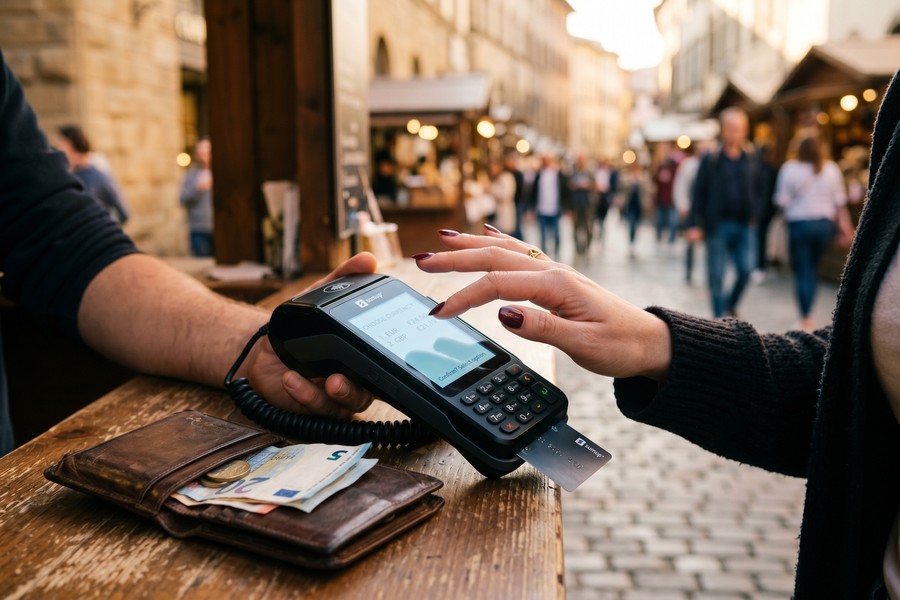
Withdraw larger amounts of local currency less frequently rather than small amounts daily. Each ATM withdrawal typically triggers a fixed fee from the local bank, withdrawing $200 once costs the same fee as withdrawing $40 five times, so you lose five times less money to fees by batching your withdrawals.
Frequently Asked Questions
How much money should I save before doing a solo female budget trip across multiple countries?
A solid baseline is $3,500–$5,000 for a three-month multi-country solo trip in Southeast Asia or Eastern Europe, including flights, insurance, visas, and a daily budget of $35–$45. This figure assumes you are using fee-free banking, staying in hostels, and eating local food consistently. Add a $500–$800 emergency fund kept separate and untouched for medical or logistical emergencies, the travel equivalent of the emergency savings buffer that financial planners and outlets like the CFPB recommend for everyday household budgeting.
Is solo female budget travel actually safe, or is the safety risk higher when you are spending less?
Risk is tied more closely to preparation and destination choice than to how much you spend per day. Staying in well-reviewed hostels with female dorms, using vetted transport, and researching neighborhoods in advance provides as much security as spending three times more on a hotel. Travelers who skip research, regardless of budget, face greater risk than prepared budget travelers.
What are the best apps for solo female budget travel planning and safety?
Maps.me, TravelSpend, Hostelworld, 12Go Asia, and bSafe cover the core needs of navigation, budgeting, accommodation, transport, and personal safety. Maps.me handles offline navigation, TravelSpend tracks daily expenses across currencies, Hostelworld surfaces vetted accommodation, 12Go Asia books regional transport, and bSafe adds an emergency alert feature. Many solo female travelers also use the iOverlander community for real-time safety reports from other women on the ground.
Should I get travel insurance for a budget trip or is it an unnecessary cost?
Travel insurance is essential, not optional, even on a tight budget, because a single medical emergency or theft can wipe out an entire travel fund in one incident. Plans from providers like SafetyWing are priced monthly and typically cover medical expenses, trip interruption, and emergency evacuation. Skipping coverage to save a small monthly fee is one of the highest-risk decisions a solo traveler can make.
Which is better for solo female budget travel, Southeast Asia or Eastern Europe?
Southeast Asia generally offers lower average daily costs and a more established backpacker infrastructure, while Eastern Europe offers easier overland connectivity, stronger English-language access in many cities, and lower cultural friction for Western travelers. If your priority is maximum budget stretch, Southeast Asia tends to win. If you want simpler logistics and a shorter flight from the U.S. or UK, the Balkans are a strong alternative.
How do I find other solo female travelers to meet up with on the road?
The largest online community for solo female travelers is the Girls LOVE Travel Facebook group, which allows members to post meet-up requests by location, according to AdventureWomen’s research on solo travel communities. Bumble BFF, the friendship mode of the Bumble app, is also widely used in major backpacker cities. Staying in social hostels with common areas and organized events is the fastest way to form genuine connections on arrival.
What do I do if I go over budget in one country and need to cut costs fast?
Move to a dorm bed if you are in a private room, switch to one paid meal and two self-catered meals a day, pause activities with entry fees, and extend your stay rather than moving to a new city. Moving cities is almost always the most expensive travel day. Staying put for an extra 3 to 5 days and eating from markets can recover a meaningful chunk of budget within a week without reducing the quality of your experience.
Can I work remotely while doing solo female budget travel to extend my trip?
Yes, and it is one of the most effective ways to extend a multi-country trip indefinitely. Countries including Georgia, Albania, Portugal, and Indonesia (Bali) offer remote work or digital nomad visas allowing stays of 6 to 12 months legally. Platforms like Workaway and Worldpackers also allow skills-for-accommodation exchanges that reduce costs to near zero. For travelers planning an extended trip rather than a fixed-duration journey, our guide to planning a gap year abroad without going broke covers the financial planning in detail.
What are the most common money scams targeting solo female travelers and how do I avoid them?
The most common scams are fake taxi meters in tourist zones, overpriced “official” tour desks in airports, rigged ATMs in poorly lit locations, and friendship-based scams where a new acquaintance leads you to an overpriced venue. The best defenses are agreeing on taxi prices before entering the vehicle, always using ATMs inside bank branches, and researching common local scams for each country before arrival. Our guide on protecting yourself from financial scams covers the digital and in-person variants in detail, including tactics regulators like the CFPB and the Federal Trade Commission warn about domestically that also show up abroad.
Do I need good credit or a specific bank account type before traveling long-term?
You do not need excellent credit to travel on a budget, but having a solid FICO Score and a clean history with bureaus like Experian, Equifax, or TransUnion makes it easier to qualify for no-foreign-transaction-fee cards from issuers like Chase or Capital One, and to open backup accounts like the Charles Schwab checking account described above. FDIC-insured accounts at a home bank remain the safest place to keep the bulk of your travel fund while you draw down smaller amounts through a travel-specific card abroad.
Sources
- Numbeo, Cost of Living Database (Country and City Level)
- U.S. Department of State, Country-Specific Travel Advisories
- Vision of Humanity, Global Peace Index Interactive Map
- SafetyWing, Nomad Insurance Pricing and Coverage Details
- World Nomads, Travel Insurance for Long-Term Travelers
- 12Go Asia, Southeast Asia Transport Booking Platform
- FlixBus, European Budget Bus Network Routes and Pricing
- Consumer Financial Protection Bureau, Consumer Financial Guidance