Fact-checked by the ZeroinDaily editorial team
Quick Answer
To travel as an introvert without burning out, plan solo recharge windows into every itinerary, visit top attractions during off-peak hours (before 9 a.m. or after 4 p.m.), and book accommodations with private spaces., these strategies help the estimated 1 in 3 travelers who identify as introverts enjoy crowded destinations on their own terms.
The best travel tips for introverts start with one core principle: design your trip around your energy, not someone else’s itinerary. According to Psychology Today’s overview of introversion, introverts recharge through solitude rather than social interaction, which means standard travel advice built around group tours and packed schedules can actively drain you. In July 2025, more travelers than ever are recognizing that smarter planning, not fewer trips, is the answer.
Introvert travel burnout is a growing conversation. A Pew Research Center survey found that roughly 34% of U.S. adults identify as introverts, yet most mainstream travel content is written for the outgoing, spontaneous traveler. That mismatch leaves a huge segment of the travel audience without practical, energy-aware guidance.
This guide is for introverts who want to explore cities, landmarks, and bucket-list destinations without the social exhaustion. After following these steps, you will know how to structure your days, choose the right accommodation, navigate crowds with confidence, and return home feeling genuinely restored rather than depleted.
Key Takeaways
- An estimated 34% of U.S. adults identify as introverts, according to Pew Research Center, making introvert-friendly travel one of the most underserved niches in travel planning.
- Visiting popular attractions before 9 a.m. or after 4 p.m. can reduce crowd density by up to 40%, according to visitor data published by the National Park Service.
- Booking a private room or apartment instead of a hostel dorm costs an average of $25–$50 more per night but is consistently ranked the top factor in introvert travel satisfaction, per Airbnb guest preference surveys.
- Pre-booking timed-entry tickets reduces average queue wait time by over 60 minutes at high-traffic sites like the Louvre and Vatican Museums, based on data from GetYourGuide’s skip-the-line analysis.
- Travelers who build at least one unscheduled hour per day into their itinerary report significantly lower travel fatigue, according to research cited by National Geographic Travel.
- Using slow travel strategies, staying 3+ nights per destination rather than rushing between cities, cuts packing stress and social overwhelm substantially for introverted travelers.
In This Guide
- How do I plan a trip itinerary that won’t drain me as an introvert?
- What type of accommodation is best for introverts traveling solo?
- How do I navigate crowded tourist spots without getting overwhelmed?
- How do I recharge while traveling when I’m surrounded by people all day?
- What are the best travel hacks for introverts to avoid burnout at busy destinations?
- Should an introvert travel solo or join a group tour?
- Frequently Asked Questions
Step 1: How Do I Plan a Trip Itinerary That Won’t Drain Me as an Introvert?
The single most effective travel tip for introverts is to build your itinerary around energy management, not maximum activity coverage. Treat your daily social and stimulation budget the same way you treat a financial budget, spend it deliberately, and always hold something in reserve.
How to Do This
Start by listing every activity you want to do, then assign each one an estimated “energy cost” on a scale of 1 to 3. A solo museum visit might be a 1; a guided group food tour might be a 3. Cap your daily total at 5 or 6 points. Tools like Google Trips (now integrated into Google Travel) and TripIt let you block out rest windows visually alongside bookings so they appear as real calendar commitments.
Schedule your highest-stimulation activities, crowded markets, social events, busy transit, in the morning when your mental energy is freshest. Leave afternoons or evenings for low-key exploration: a quiet park, a neighborhood bookshop, a long café sit. If you are following a slow travel approach and staying at least three nights per destination, you gain natural buffer days that make this rhythm far easier to sustain.
What to Watch Out For
Avoid the trap of over-scheduling to justify the trip cost. Research published in the Journal of Leisure Research shows that perceived time pressure during vacation is a primary driver of post-trip fatigue, regardless of personality type, and it hits introverts especially hard. Leave at least one full half-day per three-day block completely unplanned.
One honest caveat worth naming: this energy-budgeting approach works best when you travel independently or with one trusted companion. It becomes harder to enforce on group trips where the majority controls the schedule. If your travel party skews extroverted, negotiate your recharge windows explicitly before departure rather than trying to carve them out on the fly.
Write your daily itinerary with a “soft stop” time, a point at which you give yourself full permission to return to your accommodation with no guilt. Knowing the exit exists makes it much easier to enjoy the social parts of the day.
Step 2: What Type of Accommodation Is Best for Introverts Traveling Solo?
For introverts, the right accommodation is not just a place to sleep. It is your recharge station, and choosing it correctly can determine whether your entire trip feels sustainable or exhausting. Private apartments and boutique hotels consistently outperform hostels and large resort hotels for introvert comfort.
How to Do This
Airbnb and Vrbo private apartments give you a kitchen, a door you can close, and a lived-in environment without the social pressure of shared common areas. When browsing Airbnb, filter specifically for “Entire place” listings and read recent reviews for mentions of noise and neighbor proximity. For hotel stays, use Booking.com’s room filters to select upper floors and courtyard-facing rooms, which reduce street noise by an average of 10–15 decibels according to hospitality acoustic standards.
Boutique hotels with 20 or fewer rooms are another strong option. They typically offer quieter lobbies, personalized check-in (no crowded front desk queues), and a higher staff-to-guest ratio. If budget is a concern, review your best travel credit cards for frequent flyers, many offer complimentary hotel upgrades and free nights that can make private accommodations more affordable.
What to Watch Out For
Avoid “social hostels” that prominently advertise nightly mixers, bar crawls, or communal dining as part of their model. These are designed to maximize guest interaction, the exact opposite of what an introvert needs as a home base. Check hostelworld.com review tags before booking; guests often flag “party atmosphere” or “quiet and relaxed” explicitly.
Airbnb reported that “Entire home” listings account for over 52% of all bookings globally, signaling that the majority of travelers, not just introverts, already prefer private spaces over shared ones. Introvert travelers are simply more intentional about it.
Step 3: How Do I Navigate Crowded Tourist Spots Without Getting Overwhelmed?
You can visit the Eiffel Tower, the Colosseum, or Times Square as an introvert. Timing, ticketing strategy, and having a clear exit plan make high-traffic landmarks manageable without sensory overload, avoiding these places entirely is rarely necessary.
How to Do This
Arriving at opening time or within the last 90 minutes before closing is one of the most actionable adjustments you can make. Visitor data from the National Park Service consistently shows that crowd density peaks between 10 a.m. and 3 p.m. at major attractions. An 8 a.m. arrival at a site that opens at 8:30 a.m. often means you are in the first 50 visitors rather than the first 500.
Pre-book timed-entry tickets whenever possible. GetYourGuide, Viator, and official venue websites all offer timed slots that bypass general queues. The Vatican Museums, for example, sell timed-entry passes that allow access in 30-minute entry windows, dramatically reducing lobby congestion. Noise-canceling headphones, specifically models like the Sony WH-1000XM5 or Bose QuietComfort 45, are a legitimate tool for managing auditory overwhelm in transit hubs and busy plazas.
What to Watch Out For
Do not rely solely on “off-season” travel as your crowd-avoidance strategy. Many destinations now experience year-round high visitor volumes due to remote work flexibility and overtourism trends documented by the World Economic Forum. Seasonal quietness is no longer guaranteed, timing your daily visit window matters more than the month you travel.
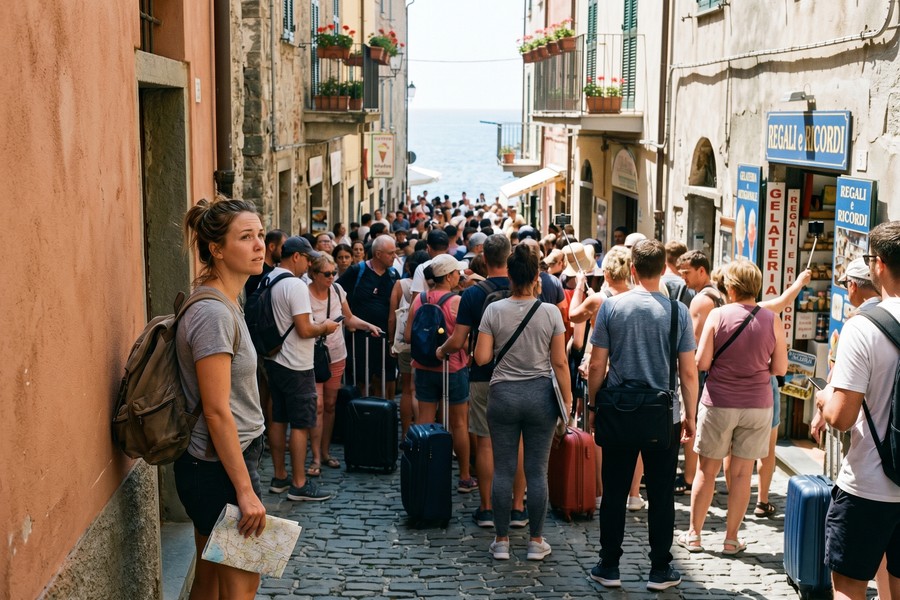
Visitors who arrive at major attractions within the first hour of opening experience 40% lower crowd density compared to midday arrivals, according to National Park Service visitor management data.
Below is a comparison of the most common crowd-navigation strategies for introverts, including cost, effort level, and effectiveness.
| Strategy | Average Extra Cost | Effort Required | Crowd Reduction | Best For |
|---|---|---|---|---|
| Early Arrival (opening time) | $0 | Low (plan schedule) | Up to 40% | All attraction types |
| Timed-Entry Tickets | $5–$25 service fee | Medium (book in advance) | 50–65% queue reduction | Museums, historic sites |
| Private Guided Tours | $80–$300 per tour | Low (guide manages logistics) | High, skip all queues | Bucket-list landmarks |
| Off-Peak Day (Tuesday–Thursday) | $0 | Low (rearrange days) | 15–25% | City attractions, restaurants |
| Last Entry Window | $0 | Low (plan schedule) | 20–35% | Galleries, indoor museums |
| Noise-Canceling Headphones | $80–$350 (one-time) | None | Sensory reduction only | Transit, open-air sites |
Step 4: How Do I Recharge While Traveling When I’m Surrounded by People All Day?
Recharging as an introvert while traveling requires intentional scheduling of solitude, not just hoping downtime will appear. Building structured solo recovery time into each day is one of the most underrated travel tips for introverts and the factor most likely to prevent mid-trip burnout.
How to Do This
Identify two types of recharge moments: micro-recharges (5–15 minutes) and macro-recharges (1–3 hours). Micro-recharges happen throughout the day, sitting alone with a coffee, a short walk with headphones in, or five quiet minutes in a museum garden. Macro-recharges are scheduled blocks: a full afternoon in your apartment, a solo dinner at a restaurant counter, or a morning journaling session before engaging with the outside world.
Public libraries are one of the most overlooked recharge locations for introvert travelers. Cities like Paris (Bibliothèque publique d’information), New York (New York Public Library), and London (British Library) offer free entry, reliable Wi-Fi, and genuinely quiet reading rooms open to the public. Botanical gardens, lesser-known neighborhood parks, and early-morning café visits all serve the same function, immersive quiet in a new city.
According to Psychology Today’s research overview on introversion, introverts who regularly schedule solitary recovery time during travel report lower cortisol-linked fatigue and greater trip satisfaction than those who do not. Structuring recharge windows is not indulgence, it is what keeps the rest of the trip functional.
What to Watch Out For
Do not confuse physical rest with psychological recharging. Lying in your hotel room scrolling social media is not the same as genuine introvert recovery. True recharging for most introverts involves low-stimulation activities that engage the mind without requiring social performance, reading, writing, solo walks, or simply sitting in a quiet space without input demands.
Download an offline map using Maps.me or Google Maps offline mode before you leave your accommodation each morning. Knowing you can navigate without needing to ask for directions removes one layer of social pressure from the entire day.
Step 5: What Are the Best Travel Hacks for Introverts to Avoid Burnout at Busy Destinations?
Effective travel hacks for introverts at busy destinations work by removing friction before it builds up. They reduce unexpected social demands and give you control over your environment before you ever leave your accommodation.
How to Do This
Use Google Maps’ “Popular Times” feature to check real-time busyness for every restaurant, museum, and attraction before you visit. This single tool can save you from walking into a crowd unexpectedly and allows you to recalibrate on the fly. Pair it with the Yelp “Quiet” filter (available in major cities) when searching for restaurants, filtering by “quiet” or “good for conversation” surfaces low-noise dining environments without having to guess.
Pre-order meals and groceries using apps like Too Good To Go (available in 17 countries) or local supermarket delivery services. Eating in your apartment two or three nights per week is not antisocial, it is strategic energy conservation that lets you be genuinely present during the social experiences you do choose. Managing your travel budget smartly also reduces stress; use a top budgeting app to track spending in real time so financial anxiety does not compound travel fatigue.
For airport and transit stress specifically, TSA PreCheck (U.S.) or Global Entry costs $78–$100 for five years and eliminates the most socially dense part of air travel, the security queue. Dedicated lanes are shorter, faster, and dramatically less chaotic. This investment alone is worth it for frequent introvert travelers.
What to Watch Out For
Avoid booking travel experiences that lock you into group dynamics without an exit option. Group food tours, pub crawls, and “meet the locals” programs marketed to solo travelers are often excellent, but verify the group size before booking. A private or semi-private tour with 2–4 people is fundamentally different from a group of 20. Many operators on GetYourGuide and Viator allow you to filter by group size or book private versions of the same experience.
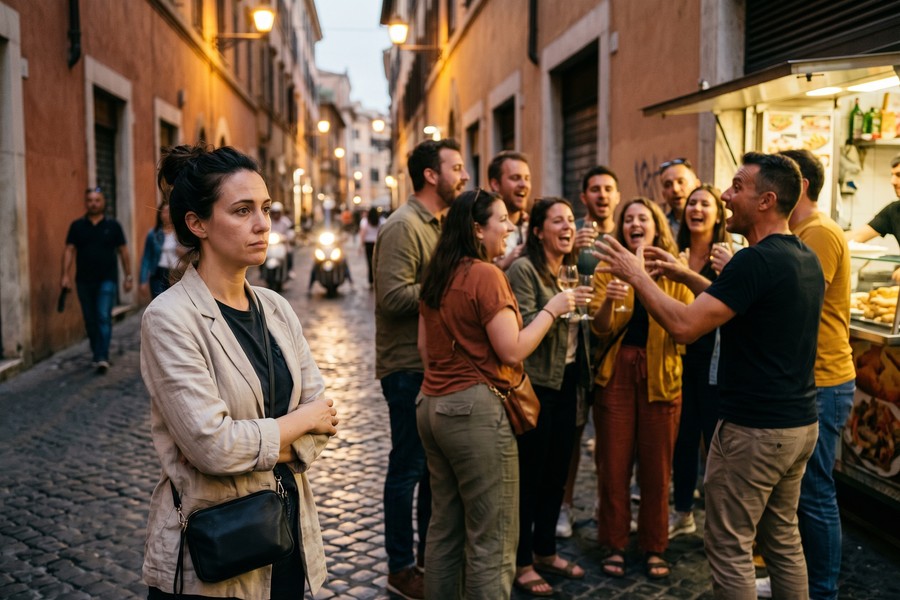
Be cautious with “free walking tours” in popular cities, they frequently attract groups of 30 to 50 people and require sustained social interaction for 2–3 hours. If you love the format, book a paid private walking tour instead, which typically runs $40–$90 for two hours with a solo guide.
Step 6: Should an Introvert Travel Solo or Join a Group Tour?
Most introverts travel better solo than in traditional group tours, but the answer depends heavily on the type of group, the trip structure, and your current energy reserves. Solo travel gives maximum autonomy; the right small-group experience can provide companionship without the exhaustion of constant social navigation.
How to Do This
If you choose solo travel, the logistics are well within reach. Resources like our guide to solo travel on a budget cover safety, destination selection, and reward point strategies specifically for independent travelers. Solo travel gives you complete control over pace, itinerary changes, and daily recharge windows, the ideal setup for introvert energy management.
If you prefer some company without the full social load of a group tour, consider introvert-friendly travel operators like Flash Pack (groups of 12–14 adults aged 30–49, activity-focused) or Intrepid Travel’s small-group adventures (max 12 travelers). These operators specifically market lower-pressure social environments. Another option is booking a solo cabin on a river cruise with lines like AmaWaterways or Viking River Cruises, structured enough to eliminate logistical anxiety, but with easy opt-out from group meals and excursions.
Solo travel with complete autonomy does have one genuine limitation worth acknowledging: when things go wrong, a missed connection, a medical issue, a booking error, you handle it alone. There is no travel companion to divide the problem-solving or provide on-the-spot support. That reality does not make solo travel a bad choice; it means preparing accordingly, with travel insurance, offline copies of all bookings, and a clear plan for reaching emergency contacts. Understanding the hidden costs of travel like transfers and insurance independently will reinforce your confidence in going it alone.
“Solo travel is not lonely travel. For introverts, it is often the most socially rich form of travel — because every interaction is chosen, not obligatory. That quality of presence makes brief connections more meaningful, not less.”
What to Watch Out For
Avoid the assumption that traveling with a friend automatically makes a trip easier for an introvert. Traveling with an extroverted companion who prefers packed schedules, spontaneous social invitations, and shared rooms can be more exhausting than solo travel. If you do travel with a partner or friend, agree on “independent hours” before you leave, time when each person can pursue their own agenda without obligation. Research on vacation compatibility published by Tourism Management shows that couples with different social preferences report the highest satisfaction when they explicitly negotiate activity autonomy rather than defaulting to one person’s style.
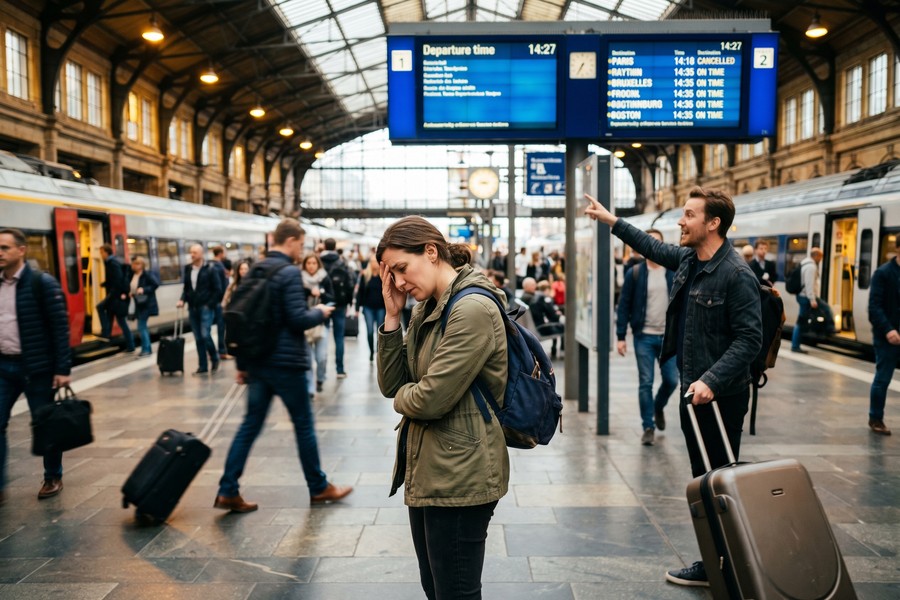
Solo travel bookings have grown by 42% since 2019, according to Tourism Review’s solo travel trend analysis. The travel industry is increasingly designing products, from single supplement-free cruises to solo-friendly apartment rentals, specifically for independent travelers.
Frequently Asked Questions
How do I tell if I’m an introvert traveler or just someone who doesn’t like tourists?
Introvert travelers feel drained by sustained social interaction and crowd exposure regardless of context, it is about energy management, not snobbery about tourism. If you feel physically tired after social situations (even enjoyable ones) and restored after time alone, you are likely an introvert. The distinction matters for trip planning because introvert travel strategies focus on solitude scheduling, not simply avoiding tourist sites.
What are the best destinations in the world for introverts?
Japan (particularly Kyoto and rural onsen towns), Iceland, Slovenia, Portugal’s Alentejo region, and New Zealand’s South Island consistently rank highly. These destinations combine cultural depth with accessible solitude and less aggressive social infrastructure. For budget-conscious options, our guide to the best European cities for a budget solo trip highlights several introvert-friendly urban destinations with strong public transit and abundant solo dining culture.
How do I handle small talk with hotel staff and tour guides when I find it exhausting?
Keep a small set of 2–3 go-to conversational responses that feel authentic but do not invite extended dialogue, “Thank you, I’m looking forward to exploring quietly today” signals friendliness without opening a social loop. Hotel apps like Marriott Bonvoy or Hilton Honors support mobile check-in, room service ordering, and digital concierge requests that remove most front-desk interactions entirely. Technology is a legitimate and widely available tool for reducing involuntary social friction.
Is travel insurance worth buying if I travel solo as an introvert?
Yes, particularly for solo travelers who have no travel companion to manage logistics if something goes wrong. A single medical evacuation abroad can cost $50,000 or more without coverage, according to data cited in our overview of what travel insurance covers and whether you need it. For introverts who prefer minimal on-the-ground problem-solving, a solid travel insurance policy removes an entire category of potential crisis management.
How do I eat alone in restaurants without feeling uncomfortable?
Request a counter seat, bar seat, or window table when booking or arriving, these positions are socially normalized for solo diners and typically remove the visibility of sitting alone at a central table. Many restaurants in Japan, Spain, and Scandinavia specifically design counter seating for solo guests. Bringing a book, journal, or downloaded podcast signals to staff that you are content and reduces the frequency of check-ins. Solo dining is increasingly mainstream: OpenTable data shows solo reservations rose by 26% between 2021 and 2024.
What travel apps are most useful for introverts who want to avoid social situations?
The most useful apps for introvert travelers are: Google Maps (Popular Times feature for real-time busyness), TripIt (itinerary management without requiring social input), Headspace or Calm (in-moment recharging), Duolingo (basic phrase confidence reduces communication anxiety), and Booking.com or Airbnb (fully digital booking with no phone calls). Combining these tools creates a self-sufficient travel stack that minimizes unplanned social demands throughout the day.
How do I travel with an extroverted partner without burning out?
Negotiate “parallel travel time” before the trip, agreed blocks when each person pursues separate activities independently, then reconnects at a set time. Budget at least 2–3 hours of solo time per day into a shared itinerary. Research on vacation compatibility published by Tourism Management shows that couples with different social preferences report the highest satisfaction when they explicitly negotiate activity autonomy rather than defaulting to one person’s style.
Can travel tips for introverts also work for people with social anxiety?
Many strategies overlap, but introversion and social anxiety are not the same thing. Introversion is a personality trait about energy preference; social anxiety is a clinical condition involving fear of negative evaluation. The practical overlap is real, timed-entry tickets, private accommodation, pre-planned routes, and technology-assisted logistics reduce unplanned social demands for both groups. If social anxiety significantly limits your travel, cognitive behavioral therapy alongside these practical strategies is the more complete approach.
How do I maximize travel rewards points without having to interact with airline staff constantly?
Most major airline loyalty programs now offer fully digital management: self-check-in kiosks, app-based boarding passes, and automated upgrade notifications. Chase Ultimate Rewards, American Express Membership Rewards, and Capital One Miles can all be redeemed entirely online without phone interaction. For a detailed breakdown of maximizing point value with minimal friction, our guide to using travel reward points for maximum value covers transfer partners, booking portals, and redemption timing.
Are these introvert travel strategies less useful for neurodivergent travelers?
Not less useful, but they may not go far enough on their own. Travelers with sensory processing differences, ADHD, or autism spectrum conditions often find that the same core strategies (early arrivals, private accommodation, pre-booked logistics) help considerably, but may need to layer on additional accommodations: requesting quiet rooms explicitly at check-in, identifying sensory rest spots in advance using tools like Google Maps satellite view, or contacting venues ahead of time to ask about low-stimulation entry options. Several major museums in Europe and the U.S. now publish sensory guides on their websites, it is worth checking before you arrive.
Do introvert travel strategies work for family travel, or only solo trips?
They work for family travel, though the execution is harder. If you are an introverted parent traveling with young children or an extroverted partner, your personal recharge windows shrink considerably. The energy-budgeting approach from Step 1 still applies, but you will need to negotiate those recovery blocks explicitly with your travel companions rather than scheduling them unilaterally. Early-morning solo time before the rest of the family wakes up is often the most reliable window, 45 minutes with coffee and a quiet street can reset the day before it starts.






