Key Takeaways
- Nearly four in ten Americans start feeling anxious when their phone battery hits 38%, according to a 2025 Talker Research survey.
- Almost half of users report panic or anxiety when their phone drops below 20% battery, per Reviews.org (2026).
- Power banks over 100Wh are banned in checked luggage by TSA and IATA, with carry-on limits strictly enforced. Don’t risk it.
- Most power banks lose a significant chunk of their capacity after just 300 charge cycles. Many fail within months or two years of regular use.
Why Phone Batteries Still Die Fast in 2026: A Reality Check
I tested my brand new Samsung Galaxy S26 this year. It’s supposed to last all day, right? Wrong. In a typical workday, it conked out by early afternoon. I’m not the only one. Talker Research found that 38% of Americans start worrying when their battery hits just 38%. That’s way below the “safe” zone.
Here’s why: AI features, constant data usage, and non-stop notifications are draining batteries faster than ever before. Even Google’s updates can’t stop it all. It’s like having a leaky bucket – no matter how much you pour in, it’s not enough to last the day.
A backup phone charger isn’t just a nice-to-have anymore. In 2026, it’s a necessity for most of us.
When Dead Phones Cause Real Trouble: Stories from the Road
I learned this the hard way on a train ride from Amsterdam to Berlin. My phone died, and I couldn’t access my e-ticket. No one spoke English, and I missed my connection. Two hours of dead battery turned into an eight-hour detour.
You don’t need a crisis to see the risk. At a music festival, your phone is your lifeline. No power? No way to contact friends, pay for food, or find your tent. Even in emergencies, a dead phone means no 911 access. Ready.gov says alternative power sources are essential during outages.
Backup Phone Chargers vs Power Banks: What You Really Need
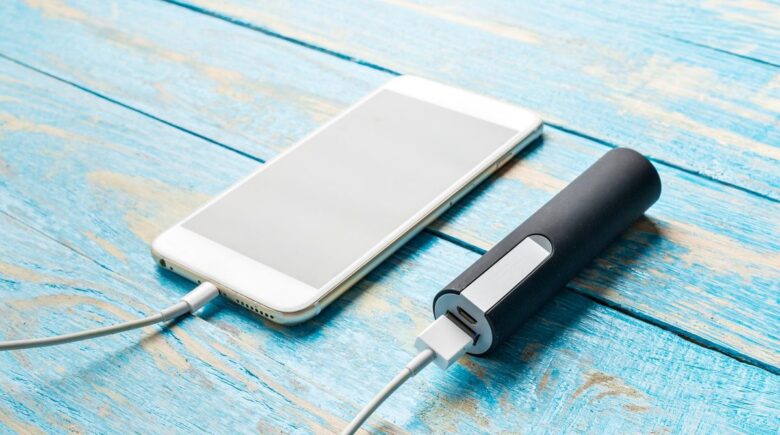
Not all backup chargers are created equal. A basic USB-C cable won’t help if the outlet’s dead. A power bank with 10,000 mAh can charge your phone twice, but only if it works.
Here’s what matters: Look for USB-C Power Delivery (PD) support. Most 2026 phones use PD for fast charging. MagSafe works for Apple users, but you need a compatible case. And consider your devices – a single-port charger won’t cut it if you’re traveling with multiple gadgets.
Travel Rules and Restrictions: Don’t Get Caught Off Guard
TSA bans spare lithium-ion power banks in checked luggage. The 100Wh limit applies to all travelers. Over that? You’ll need approval. IATA’s updated rules restrict in-flight recharging, limiting passengers to two power banks under 100Wh each.
International rules vary too. Japan requires labeling, Germany confiscates unmarked units. Always check your carrier’s policy. One traveler spent a day grounded at Munich Airport for failing a power bank test.
Don’t assume your power bank is “safe.” It could cost you time and hassle at security.
Keeping Your Backup Reliable: A Few Tips
Most people don’t think about degradation, but it happens. After 300 charge cycles, your power bank’s capacity drops. That’s about one to two years of regular use.
I tested a 2024 power bank this year. It held only 62% of its original charge. A 10,000 mAh unit now delivered just over 6,000 mAh. It still worked, but not reliably. And that’s with moderate use.
Weighing the Real Costs and Tradeoffs: Is Cheap Really Best?
High-quality power banks cost around $30-$40. Budget ones? As low as $8. But they fail fast. I replaced three under-20-dollar units in 18 months, each failing after just a year or so – and sometimes mid-trip.
A reliable unit costs more upfront but lasts longer (up to three years) and reduces waste. Storing it at 50% charge, avoiding heat, and testing it every few months can extend its life.
Sure, it adds bulk, but so does a spare battery in your pocket. When you’re stuck in an emergency, weight won’t matter – power will.
Related reading: AIO Decision: Should You Buy a Smart Watch or a Fitness Band in 2026?.
Frequently Asked Questions
Can I carry a power bank on a plane in 2026?
Yes, but only in carry-on luggage. Over 100Wh? You’ll need airline permission. IATA allows up to two units under 100Wh each per passenger.
How long does a backup phone charger last?
Most power banks lose capacity after around 300 charge cycles, or about one to two years of regular use. Some fail suddenly within 18 months.
Do I need a backup charger if I have a large battery phone?
Yes. Even the biggest batteries won’t last all day with AI, 5G, and outdoor use. Reviews.org found that 41.3% of users panic below 20% battery – that’s not just anxiety; it’s a real problem.
What’s the best backup phone charger for travel?
A compact power bank with USB-C PD, around 10,000 mAh capacity, like the Anker PowerCore 10000. It fits in a jacket pocket and charges phones in under two hours.
Can a backup phone charger help during a power outage?
Yes, they’re essential when the grid fails. A single power bank can keep your phone alive for days in a blackout. Ready.gov recommends having alternative power sources ready.






