
Fact-checked by the ZeroinDaily editorial team
Verdict at a Glance
Paying cash wins for nearly every domestic economy flight because buying miles costs 3.19 cents each but yields only 1.2–1.5 cents in value. Buy airline miles instead only when you’re topping off an account for a premium cabin redemption where the cash price exceeds $1,000 and you can buy at a discount below 2.5 cents per mile.
You find a roundtrip to Chicago for $220. Right next to that fare, American Airlines offers to sell you 10,000 AAdvantage miles for $319, after a 15% promotional discount. The math looks absurd on the surface, and for most travelers, it is. That $319 buys you maybe half a domestic ticket if you redeem the miles later, while $220 buys the whole trip right now. This is the core mismatch behind the buy airline miles decision: airlines price miles at a significant premium over what they’re worth when you redeem them.
But here’s the pivot that makes the cash-vs-miles question worth more than a one-sentence dismissal. The moment a cash fare climbs past $1,200 into business class or a last-minute international route, the same pile of purchased miles can unlock a seat worth far more than what you paid. A single factor drives the entire choice, the spread between the purchase price per mile and the effective cash equivalent per mile of the flight you want. Everything else is just details.
| Factor | Buying Miles | Paying Cash |
|---|---|---|
| Cost per mile to acquire | 3.19 cents (AA after 15% discount) | N/A, you pay the ticket price directly |
| Typical domestic economy roundtrip cost | $797 for 25,000 miles at 3.19 cpm + $11 in taxes | $300 average cash fare |
| Premium cabin savings potential | Can beat cash by $1,400+ for business class | No discount; you pay the full published fare |
| Elite qualifying miles earned | Zero on the miles portion | Yes, earn miles and spend toward status |
| Change/cancel flexibility | Often lower fees or free redeposit on awards | Higher change fees on most cash tickets |
| Risk of devaluation | Miles can be devalued overnight by the program | Price is locked at purchase |
| Third-party discount availability | 40–60% below airline retail via brokers | No parallel discount structure |
| Tax deductibility | Personal purchases are not deductible | Business travel expenses may be deducted |
| Certainty of ticket availability | Award seats are limited and not guaranteed | Cash seats available on almost any flight |
Is Buying Miles Ever Cheaper Than Paying Cash? The Cents-Per-Mile Reality
No, not for the economy-class tickets that most of us book. The raw numbers are brutal. American Airlines sells miles at 3.19 cents each after a typical 15% discount, according to a WalletHub analysis. Yet those same AAdvantage miles are worth only 1.52 cents on average when redeemed for flights on American, per WalletHub’s valuation. That’s a 52% haircut the second the transaction clears. Other domestic programs sit in the same range, 1.2 to 1.4 cents of redemption value, according to NerdWallet’s 2026 analysis.
To make this concrete, take a New York to Los Angeles roundtrip in coach. The cash fare hovers around $300 in early 2026. An AAdvantage saver award on the same route costs 25,000 miles plus $11.20 in taxes. If you buy those 25,000 miles from American at 3.19 cents apiece, you’ll spend $797.50, bringing the total out-of-pocket to about $808.70. Paying cash saves over $500. No rational person would choose the miles.
The equation flips, though, when cash fares spike. A British Airways business-class flight from New York to London might list for $3,500 but require only 57,500 AAdvantage miles plus $200 in carrier-imposed fees. Buying those miles costs $1,834 at 3.19 cpm. Add the fees, and you’re at $2,034, a saving of $1,466 versus the sticker price. The spread between purchase cost and redemption value stretches wide enough to make the transaction worthwhile.

When Buying Airline Miles Beats Paying Cash
Buying miles wins when the cash fare for a premium cabin seat exceeds $1,000 and the effective cost per purchased mile falls below 2.5 cents. The sweet spot is topping off an existing mileage balance for a specific, high-value redemption you’ve already found availability for. Blindly stocking up on miles without a target flight is almost always a losing bet.
One reliable scenario is booking a business-class ticket to Asia or Europe six to eight months out, when award seats first open. A one-way lie-flat seat can cost $4,000 or more in cash but only 60,000–70,000 miles. Even at 3.19 cents the math can work if the airline runs a buy-miles promotion that cuts the rate further, and promotions happen regularly. United MileagePlus, for instance, occasionally drops its rate below 2.5 cents during flash sales. Alaska Airlines made a splash in early 2026 with a targeted 30% bonus on purchased miles that brought the effective cost under 2.0 cents, close to The Points Guy’s 1.55-cent valuation for their program.
Purchased miles cost an average of 3.19 cents each but deliver only 1.52 cents in value on AA flights, a gap that only closes when you target premium cabins.
A second angle that top-ranked articles ignore entirely: using third-party mile brokers to buy airline miles at 40–60% below the airline’s posted rate. Platforms like The Miles Market source miles from individuals with excess balances and resell them at a discount. You might pay 1.8 cents per mile instead of 3.19. That completely changes the arithmetic. However, this path comes with its own landmines, which I’ll cover separately.
When Paying Cash Is the Clear Winner
For domestic economy trips, cash wins every time. The price gap is too wide, and the redemption options are too limited. But that’s the easy call. The harder one is when you’re eyeing a $1,500 premium economy fare and wondering if miles could undercut it.
Cash is superior in three specific conditions that tend to overlap: when you need a flight on a specific date with no saver award availability, when you value elite status earning, and when you care about refund flexibility. On American, only full-fare economy tickets and above earn elite qualifying dollars at the full rate; an award ticket earns nothing toward status. If you’re chasing AAdvantage Platinum or Executive Platinum, buying miles can actually set you back because you forfeit the miles and loyalty points a cash booking would generate. That’s an opportunity cost that calculator apps often miss.
Cash purchases come with consumer protections governed by the Department of Transportation, including 24-hour cancellation windows and clear refund rules when the airline cancels. Award ticket protections are thinner, and if the program devalues its currency, as Delta SkyMiles did without notice in 2023, wiping out 15% of some balances’ purchasing power, you’re stuck. You can’t “return” purchased miles for a refund.

Risks of Buying Airline Miles That No One Talks About
Buying miles directly from an airline is safe but expensive. Where things get slippery is third-party brokers, program expiration policies, and the tax dimension that every other guide overlooks.
Miles you purchase do not count toward elite status, and they can expire if your account shows no qualifying activity for 18 to 24 months, depending on the program. American, for example, requires some earning or redemption activity every 24 months to keep the miles alive. A batch of 100,000 purchased miles that sits unused because you never found award space turns into a donation to the airline. The IRS also treats frequent flyer miles earned through purchases as a rebate, not income, so you can’t deduct the cost as a travel expense unless the miles were bought strictly for business travel with clear documentation, and even then, opinions vary. The IRS’s Publication 463 on travel expenses does not mention purchased miles explicitly, which leaves most taxpayers without a safe harbor.
Privacy risks deserve equal attention. Linking a third-party broker to your loyalty account typically requires handing over your login credentials, which violates most programs’ terms of service. The Department of Transportation warns that consumers who use unauthorized mile-transfer services may have their accounts closed and balances forfeited without recourse. I’ve seen reports in frequent-flyer forums of miles being clawed back months after a seemingly successful broker transaction.
Tech Tools That Tell You When to Buy Miles Versus Pay Cash
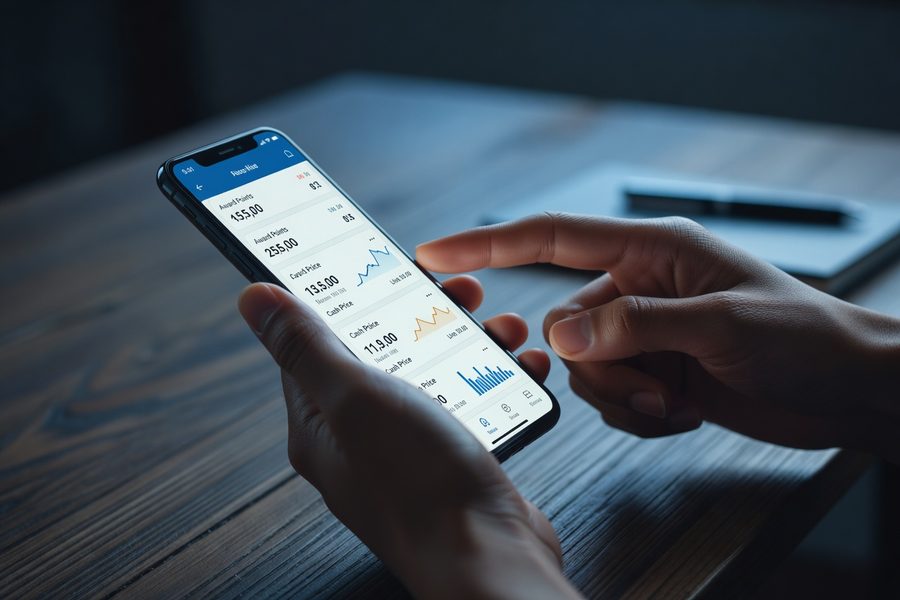
A handful of apps and browser extensions now pull live award pricing alongside cash fares, bringing real-time data to the decision. AwardWallet’s account dashboard tracks expiration dates and shows you how many miles you’d need for a target flight, while PointsYeah scans availability across multiple programs in seconds. ExpertFlyer, a subscription tool, can even set alerts when award seats open on your preferred routing. For tracking your travel spending alongside purchased miles, a solid expense app keeps the whole transaction history in one place, useful if you’re trying to justify the math later.
None of these tools are perfect, but together they eliminate the guesswork. I’ve used PointsYeah to catch an Air France-KLM Flying Blue promo award that priced out at 1.3 cents versus a cash fare of $2,200, instantly validating a mile purchase from a partner bank’s 25% transfer bonus.
Third-Party Mile Markets vs. Airline Direct Purchases: Discounts Meet Danger
Buying miles from a broker can slash the price to 1.5–2.0 cents per mile. The Miles Market, one of the largest players, often lists American and United miles at a 45% discount to the airline’s store. That’s a genuine chance to make the purchase-vs-cash math work even for premium economy redemptions. But these marketplaces operate outside the official loyalty ecosystem. Transactions rely on escrow services, and if a seller’s account gets flagged for suspicious activity, the buyer’s miles can be reversed without warning.
Airlines, by comparison, sell miles with zero risk to your loyalty status, but at full retail rates that rarely dip below 2.5 cents even during deep promotions. The added safety is real. When you buy airline miles directly from United or Delta, you’re dealing with a regulated entity that faces DOT scrutiny. When you send PayPal to a broker, you’re gambling that the seller’s account won’t draw attention from the fraud team. I recommend the direct route for anyone who isn’t comfortable losing their entire balance, which describes most travelers.
Building Miles Sustainably vs. One-Off Purchases
For travelers who fly more than twice a year, the smarter path is rarely to buy airline miles outright. Instead, you build a balance over time through top travel credit cards and strategic transfer partners. A single welcome bonus of 60,000 Chase Ultimate Rewards points transferred to United can cover a domestic roundtrip without spending a dime on miles. The habit of paying cash for flights while earning miles creates a virtuous cycle that consistently outperforms buying miles directly.
Infrequent flyers who need a premium seat once every two years should default to cash and focus on saving on flights and hotels through fare alerts and flexible dates. Paid miles as a top-up make sense only when you have a specific, high-cost redemption locked in and you’re short by 10,000–15,000 miles, the kind of gap that a broker or a promotional sale can fill without wrecking the economics.
When Buying Miles Is the Better Choice
One framing sentence leads into the specific conditions where purchasing miles comes out ahead.
- You’ve found a business- or first-class award flight with a cash price exceeding $1,500 and need fewer than 15,000 miles to top off your account.
- A broker offers miles at 1.8 cents or below, and you’re willing to accept the account-closure risk after reading the FTC’s travel scam warnings.
- The airline runs a flash sale with a per-mile cost under 2.2 cents, and you have a redemption target in mind with confirmed saver availability.
- Travel is more than six months out, so program devaluation risk is minimal and you have time to use the miles.
- You value the lie-flat seat experience enough that the cash-for-miles trade-off feels like a genuine upgrade rather than a financial calculation.
When Paying Cash Is the Better Choice
A short framing sentence sets up the cash-first conditions.
- Your flight is domestic economy, and the cash fare is under $400, no mile purchase will beat that outright.
- You need to earn elite status this year; every cash fare builds loyalty points that award redemptions don’t provide.
- The flight is within the next two weeks and saver award space is nonexistent, forcing you into a high-mileage anytime award.
- You value the 24-hour cancellation protection and DOT-backed refund rights that come with a cash ticket.
- You’d rather not hand your loyalty-program login to a third-party seller, and the airline’s direct price for miles makes no mathematical sense.
| Criterion | Buying Miles | Paying Cash |
|---|---|---|
| Cost for Economy Flights | 1 / 5 | 5 / 5 |
| Cost for Premium Cabins | 4 / 5 | 3 / 5 |
| Earning Elite Status | 0 / 5 | 5 / 5 |
| Booking Certainty | 2 / 5 | 5 / 5 |
| Refund Flexibility | 4 / 5 | 3 / 5 |
| Consumer Protections | 2 / 5 | 5 / 5 |
| Overall (Weighted) | 2.6 / 5 | 4.3 / 5 |
Frequently Asked Questions
Is it cheaper to buy airline miles or pay cash?
For domestic economy tickets, cash is always cheaper. The average cost to buy miles is 3.19 cents each, yet they redeem at only 1.2–1.5 cents in value in economy. The gap narrows only when targeting premium-cabin award flights where the cash price climbs above $1,000.
When does buying airline miles actually make sense?
It makes sense when you need a small top-up, usually 15,000 miles or fewer, to book a business- or first-class seat that would otherwise cost over $1,500 in cash. That scenario can justify even the high purchase price from an airline, and it’s the only time I’d recommend it for most travelers.
Do I earn elite qualifying miles when buying miles?
No. Purchased miles are not elite-qualifying. They go into your redeemable balance but do nothing for status trackers. Only revenue tickets, co-branded credit card spending, and some partner activity contribute to elite status.
Can I get a refund if I buy miles but never use them?
No. Airlines treat purchased miles as a final sale. If your account goes inactive and the miles expire, or if the program devalues them, you have no recourse. Always have a redemption planned before you buy airline miles.
Are there tax implications when I buy miles?
For personal travel, you can’t deduct the cost. Business purchasers may include the expense as a travel cost if the miles are used for a business trip, but the IRS has not issued definitive guidance on purchased loyalty points. Consult a CPA before claiming the deduction.
What is the cheapest way to buy airline miles?
Third-party brokers like The Miles Market often sell miles at 40–60% below airline retail, bringing the cost under 2.0 cents per mile. That’s the cheapest route, but it violates most programs’ terms of service and carries real risk of account closure.
How do I avoid scams when buying miles from third parties?
Use only well-established broker platforms that offer escrow protection, and never share your loyalty account password directly with an individual seller. The FTC warns that many “mile sale” offers on social media are outright scams. If a deal looks too good, miles at under 1 cent, it almost certainly is.
Can I use a credit card to buy miles and earn rewards on the purchase?
Yes, you can earn credit card rewards on the transaction, which slightly improves the math. If your card earns 2% cash back or transferable points, that effectively reduces the per-mile cost by 0.06 cents. Not enough to change the decision, but a small nudge when you’re close to a break-even.






