
Inflation continues to reshape how Americans spend and save their money. The economic landscape of 2026 presents unique challenges that demand fresh strategies. Your wallet doesn’t have to suffer if you embrace modern tools and adjust your financial mindset. This guide will show you how to navigate rising costs while building wealth through smart decisions.
How Digital Tools Help You Fight Rising Costs
Gone are the days of driving store to store hunting for deals. Modern price comparison apps now scan thousands of retailers in seconds. These tools save you both time and money with minimal effort.
Apps like Honey and Rakuten have evolved beyond simple coupon codes. They now predict price drops and notify you when items hit their lowest prices. Some even analyze your shopping patterns to suggest better alternatives.
The technology behind these platforms uses artificial intelligence to track pricing trends. You gain access to data that was previously available only to professional buyers. This levels the playing field between consumers and retailers.
Automated Savings Platforms Build Wealth Passively
Digital banks and fintech apps have revolutionized how we save money. Platforms like Digit and Qapital automatically transfer small amounts from checking to savings. These micro-savings add up faster than you might expect.
The beauty of automation lies in its invisibility. You don’t feel the pinch of saving when it happens automatically. Most people report saving 30-40% more when they use automated tools compared to manual methods.
Round-up features take this concept further by investing your spare change. Every purchase gets rounded to the nearest dollar, with the difference going into savings or investments. This painless approach helps you build an emergency fund without lifestyle changes.
Budgeting Software Provides Real-Time Financial Visibility
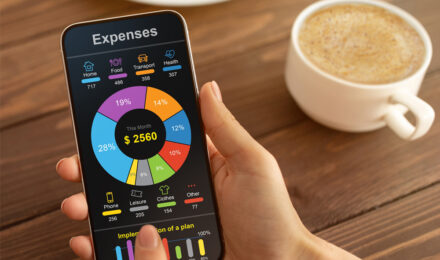
Traditional spreadsheets can’t compete with modern budgeting apps. Tools like YNAB (You Need A Budget) and Mint connect directly to your bank accounts. They categorize transactions automatically and show exactly where your money goes.
Real-time tracking helps you catch overspending before it becomes a problem. You’ll spot subscription services you forgot about or categories where costs creep up. This awareness is crucial when inflation makes every dollar count.
Many budgeting platforms now incorporate inflation data into their forecasting. They help you adjust spending targets based on actual price increases in your area. This feature ensures your budget remains realistic as costs rise.
Why 2026 Demands a New Approach to Spending
The relationship between consumers and brands has fundamentally shifted. Companies once rewarded loyal customers with better prices and exclusive perks. Today, the best deals often go to new customers or those willing to switch providers.
This reality requires a more mercenary approach to spending. You should regularly review subscriptions, insurance policies, and service providers. Shopping around every 6-12 months typically yields significant savings.
Credit card rewards programs have become more sophisticated but also more complex. The old strategy of sticking with one card no longer maximizes returns. Savvy consumers now use different cards for different purchase categories to optimize cash back.
Regulatory Changes Empower Consumer Choice
Recent regulatory shifts have made switching financial providers easier than ever. Open banking regulations now require institutions to share your data securely when you request it. This transparency helps you compare options and move money without friction.
The Consumer Financial Protection Bureau has strengthened protections around hidden fees. Banks and fintech companies must now disclose costs more clearly. These changes help you make apples-to-apples comparisons between services.
New data portability rules mean you own your financial information. You can download transaction history and move it to competing platforms seamlessly. This mobility increases competition among providers, which ultimately benefits consumers through better rates and services.
The Subscription Economy Requires Active Management
Americans now spend an average of $273 per month on subscription services. This figure has doubled since 2020 and continues climbing. Many people don’t even know how many subscriptions they’re paying for.
Subscription management apps have emerged to address this growing problem. Services like Truebill and Bobby track all your recurring charges in one place. They can even negotiate lower rates or cancel services on your behalf.
The key is treating subscriptions as variable expenses rather than fixed costs. Review them quarterly and cut anything you haven’t used recently. Many services offer annual plans at significant discounts if you commit upfront. However, only choose annual billing for services you’re certain you’ll use consistently.
Fintech Solutions Democratize Investment Opportunities
Investment platforms have lowered barriers to entry dramatically. You no longer need thousands of dollars to start building wealth. Apps like Robinhood and Acorns let you invest with as little as five dollars.
Fractional shares mean you can own pieces of expensive stocks that were once out of reach. This democratization helps you build a diversified portfolio regardless of your starting capital. Dollar-cost averaging becomes easier when you can invest small amounts regularly.
Robo-advisors now offer sophisticated portfolio management at a fraction of traditional advisor fees. They automatically rebalance your investments and optimize for tax efficiency. These tools make professional-grade investing accessible to everyone, not just the wealthy.
Data Privacy Becomes a Financial Consideration
The digital tools that help you save money also collect extensive data about your habits. This information has real value, and you should understand what you’re trading. Some apps sell anonymized user data to third parties.
Reading privacy policies has become a financial skill. Free apps often monetize through data sharing rather than subscription fees. Sometimes paying a small monthly fee protects your privacy better than using a free alternative.
New regulations give you more control over your financial data. You can request to see what information companies hold and demand its deletion. Exercise these rights regularly to maintain control over your digital footprint.
Beating inflation in 2026 requires embracing technology while staying vigilant about where your money goes. The tools exist to help you save more and spend smarter than ever before. Success comes from combining automated solutions with regular financial check-ins. Start with one or two strategies from this guide and expand as you get comfortable. Your future self will thank you for taking action today rather than waiting for economic conditions to improve. The power to protect your purchasing power sits in your pocket—you just need to use it.
References
- NerdWallet. (2024). “Best Budgeting Apps.” https://www.nerdwallet.com/best/finance/budgeting-apps
- Consumer Financial Protection Bureau. (2024). “Consumer Financial Protection.” https://www.consumerfinance.gov/
- CNBC. (2024). “Personal Finance News and Advice.” https://www.cnbc.com/personal-finance/
Inflation continues to reshape how Americans spend and save their money. The economic landscape of 2026 presents unique challenges that demand fresh strategies. Your wallet doesn’t have to suffer if you embrace modern tools and adjust your financial mindset. This guide will show you how to navigate rising costs while building wealth through smart decisions.
How Digital Tools Help You Fight Rising Costs
Gone are the days of driving store to store hunting for deals. Modern price comparison apps now scan thousands of retailers in seconds. These tools save you both time and money with minimal effort.
Apps like Honey and Rakuten have evolved beyond simple coupon codes. They now predict price drops and notify you when items hit their lowest prices. Some even analyze your shopping patterns to suggest better alternatives.
The technology behind these platforms uses artificial intelligence to track pricing trends. You gain access to data that was previously available only to professional buyers. This levels the playing field between consumers and retailers.
Automated Savings Platforms Build Wealth Passively
Digital banks and fintech apps have revolutionized how we save money. Platforms like Digit and Qapital automatically transfer small amounts from checking to savings. These micro-savings add up faster than you might expect.
The beauty of automation lies in its invisibility. You don’t feel the pinch of saving when it happens automatically. Most people report saving 30-40% more when they use automated tools compared to manual methods.
Round-up features take this concept further by investing your spare change. Every purchase gets rounded to the nearest dollar, with the difference going into savings or investments. This painless approach helps you build an emergency fund without lifestyle changes.
Budgeting Software Provides Real-Time Financial Visibility
Traditional spreadsheets can’t compete with modern budgeting apps. Tools like YNAB (You Need A Budget) and Mint connect directly to your bank accounts. They categorize transactions automatically and show exactly where your money goes.
Real-time tracking helps you catch overspending before it becomes a problem. You’ll spot subscription services you forgot about or categories where costs creep up. This awareness is crucial when inflation makes every dollar count.
Many budgeting platforms now incorporate inflation data into their forecasting. They help you adjust spending targets based on actual price increases in your area. This feature ensures your budget remains realistic as costs rise.
Why 2026 Demands a New Approach to Spending
The relationship between consumers and brands has fundamentally shifted. Companies once rewarded loyal customers with better prices and exclusive perks. Today, the best deals often go to new customers or those willing to switch providers.
This reality requires a more mercenary approach to spending. You should regularly review subscriptions, insurance policies, and service providers. Shopping around every 6-12 months typically yields significant savings.
Credit card rewards programs have become more sophisticated but also more complex. The old strategy of sticking with one card no longer maximizes returns. Savvy consumers now use different cards for different purchase categories to optimize cash back.
Regulatory Changes Empower Consumer Choice
Recent regulatory shifts have made switching financial providers easier than ever. Open banking regulations now require institutions to share your data securely when you request it. This transparency helps you compare options and move money without friction.
The Consumer Financial Protection Bureau has strengthened protections around hidden fees. Banks and fintech companies must now disclose costs more clearly. These changes help you make apples-to-apples comparisons between services.
New data portability rules mean you own your financial information. You can download transaction history and move it to competing platforms seamlessly. This mobility increases competition among providers, which ultimately benefits consumers through better rates and services.
The Subscription Economy Requires Active Management
Americans now spend an average of $273 per month on subscription services. This figure has doubled since 2020 and continues climbing. Many people don’t even know how many subscriptions they’re paying for.
Subscription management apps have emerged to address this growing problem. Services like Truebill and Bobby track all your recurring charges in one place. They can even negotiate lower rates or cancel services on your behalf.
The key is treating subscriptions as variable expenses rather than fixed costs. Review them quarterly and cut anything you haven’t used recently. Many services offer annual plans at significant discounts if you commit upfront. However, only choose annual billing for services you’re certain you’ll use consistently.
Fintech Solutions Democratize Investment Opportunities
Investment platforms have lowered barriers to entry dramatically. You no longer need thousands of dollars to start building wealth. Apps like Robinhood and Acorns let you invest with as little as five dollars.
Fractional shares mean you can own pieces of expensive stocks that were once out of reach. This democratization helps you build a diversified portfolio regardless of your starting capital. Dollar-cost averaging becomes easier when you can invest small amounts regularly.
Robo-advisors now offer sophisticated portfolio management at a fraction of traditional advisor fees. They automatically rebalance your investments and optimize for tax efficiency. These tools make professional-grade investing accessible to everyone, not just the wealthy.
Data Privacy Becomes a Financial Consideration
The digital tools that help you save money also collect extensive data about your habits. This information has real value, and you should understand what you’re trading. Some apps sell anonymized user data to third parties.
Reading privacy policies has become a financial skill. Free apps often monetize through data sharing rather than subscription fees. Sometimes paying a small monthly fee protects your privacy better than using a free alternative.
New regulations give you more control over your financial data. You can request to see what information companies hold and demand its deletion. Exercise these rights regularly to maintain control over your digital footprint.
Beating inflation in 2026 requires embracing technology while staying vigilant about where your money goes. The tools exist to help you save more and spend smarter than ever before. Success comes from combining automated solutions with regular financial check-ins. Start with one or two strategies from this guide and expand as you get comfortable. Your future self will thank you for taking action today rather than waiting for economic conditions to improve. The power to protect your purchasing power sits in your pocket—you just need to use it.
References
- NerdWallet. (2024). “Best Budgeting Apps.” https://www.nerdwallet.com/best/finance/budgeting-apps
- Consumer Financial Protection Bureau. (2024). “Consumer Financial Protection.” https://www.consumerfinance.gov/
- CNBC. (2024). “Personal Finance News and Advice.” https://www.cnbc.com/personal-finance/






)