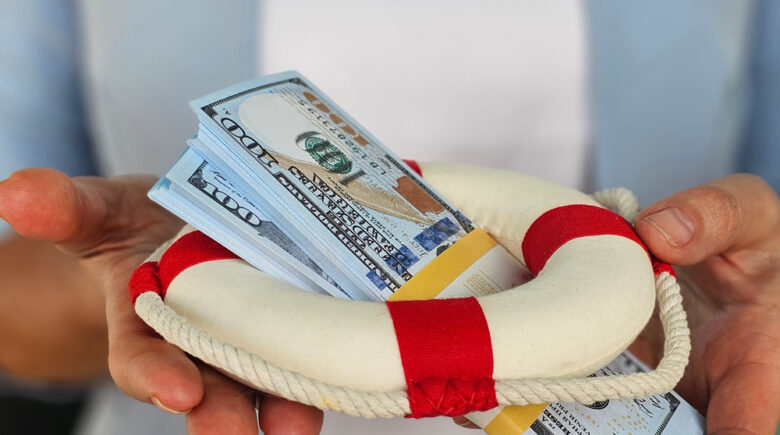

Life has a way of throwing curveballs when you least expect them. Your car breaks down on the way to an important meeting. Your laptop dies right before a deadline. Or worse, you lose your job during an economic downturn. These moments test not just your resilience but your financial preparedness. An emergency fund acts as your financial safety net, catching you before you fall into debt. It’s the difference between weathering a storm and drowning in it. Building this cushion might seem daunting, but understanding how much to save and where to keep it makes the process manageable and even empowering.
How Much Should You Save in Your Emergency Fund?

Financial experts typically recommend saving three to six months’ worth of living expenses. This range accounts for the average time most people need to recover from job loss or handle a major unexpected expense. Your target within this range depends on your personal situation. Single-income households should aim for the higher end, while dual-income families might feel comfortable at the lower end.
Calculate your monthly expenses by adding up rent or mortgage, utilities, groceries, insurance, minimum debt payments, and transportation costs. Don’t include discretionary spending like dining out or entertainment. You’re building a survival fund, not a lifestyle maintenance account. Multiply this number by your target months to get your emergency fund goal.
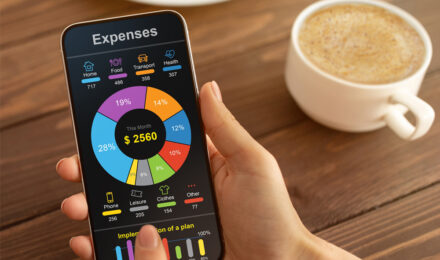
The digital transformation of banking has made tracking these expenses easier than ever. Most banking apps now categorize your spending automatically. Fintech apps like Mint or YNAB provide detailed breakdowns of where your money goes each month. These tools help you calculate an accurate emergency fund target without the headache of manual spreadsheets.
Adjusting for Your Personal Risk Factors
Your emergency fund should reflect your unique circumstances. Freelancers and gig workers face income volatility that W-2 employees don’t experience. If you’re self-employed, consider saving six to twelve months of expenses. Your income streams can dry up quickly, and you don’t have unemployment benefits as a backup.
Health considerations matter too. Do you have chronic conditions that might require unexpected medical care? Is your health insurance plan a high-deductible option? These factors warrant a larger emergency cushion. The same applies if you’re the sole breadwinner or if you work in an industry prone to layoffs.
Homeowners need more saved than renters. A broken HVAC system or roof leak can cost thousands. Renters typically have landlords handling major repairs. Your emergency fund should account for these potential expenses based on your living situation.
Starting Small and Building Momentum
The gap between zero savings and six months of expenses feels overwhelming. Start with a micro-goal of $500 to $1,000. This covers most minor emergencies like a flat tire or urgent care visit. Achieving this first milestone builds confidence and creates momentum.
Once you hit your initial target, aim for one month of expenses. Then two months. Breaking the journey into smaller milestones makes the process less intimidating. Each checkpoint you reach strengthens your financial security and motivation.
Automate your savings to remove willpower from the equation. Set up automatic transfers from checking to savings on payday. Even $50 per paycheck adds up to $1,200 annually. Many employers now offer direct deposit splitting, letting you route money to different accounts before you even see it. This “pay yourself first” approach leverages digital banking tools to build wealth passively.
Best Accounts to Keep Your Emergency Money Safe
High-yield savings accounts offer the perfect balance of accessibility and growth for emergency funds. These accounts provide FDIC insurance up to $250,000, protecting your money even if the bank fails. Unlike traditional savings accounts earning 0.01%, high-yield options currently offer rates between 4% and 5% APY.
Online banks typically offer the best rates because they lack physical branches and pass those savings to customers. Institutions like Marcus by Goldman Sachs, Ally Bank, and American Express Personal Savings consistently rank among top performers. The regulatory environment has pushed traditional banks to become more competitive, but online-only banks still dominate the high-yield space.
Access your money quickly when emergencies strike. Most high-yield savings accounts allow electronic transfers that reach your checking account within one to two business days. Some offer ATM cards for immediate access, though you should avoid using your emergency fund for non-emergencies. The slight delay actually serves as a helpful buffer against impulsive withdrawals.
Money Market Accounts
Money market accounts blend features of checking and savings accounts. They offer competitive interest rates similar to high-yield savings while providing check-writing privileges and debit card access. This combination makes them attractive for emergency funds when you want maximum flexibility.
These accounts typically require higher minimum balances than regular savings accounts. You might need $2,500 to $10,000 to open an account and avoid monthly fees. However, the enhanced access features justify this requirement for many savers. You can write checks for emergency expenses or use a debit card without waiting for transfers to clear.
The regulatory framework governing money market accounts provides the same FDIC protection as savings accounts. Your deposits remain safe up to $250,000 per depositor, per institution. The integration of fintech solutions has made comparing money market account rates easier through aggregator sites like Bankrate and NerdWallet.
What to Avoid
Checking accounts earn minimal interest and tempt you to spend. Keep only your monthly expenses in checking. Your emergency fund deserves a separate home where it can grow and remain untouched except for true emergencies.
Certificates of deposit (CDs) lock up your money for fixed terms. Early withdrawal penalties defeat the purpose of an emergency fund. You need immediate access when crisis strikes. Save CDs for long-term goals, not emergency reserves.
Investment accounts expose your emergency fund to market volatility. The stock market can drop 20% or more during downturns, exactly when you might need your emergency money most. You cannot afford to wait for markets to recover when your car needs immediate repairs. Keep your emergency fund in stable, liquid accounts that preserve your principal.
Building an emergency fund transforms your relationship with money and stress. You sleep better knowing unexpected expenses won’t derail your life. Start where you are, use what you have, and do what you can. Whether you begin with $20 per week or $200 per month, the important thing is starting. Choose a high-yield savings account or money market account that makes your money work harder while remaining accessible. The digital tools available today make saving easier than ever before. Your future self will thank you for the financial cushion you’re building today. Remember, the best time to start was yesterday. The second best time is right now.
References
- Frankel, M. (2024). “Emergency Fund: What It Is and Why It Matters.” NerdWallet. https://www.nerdwallet.com/article/banking/emergency-fund-why-it-matters
- Perez, A. (2024). “Best High-Yield Savings Accounts of 2024.” Bankrate. https://www.bankrate.com/banking/savings/best-high-yield-interests-savings-accounts/
- Royal, J. (2024). “What Is a Money Market Account?” Forbes Advisor. https://www.forbes.com/advisor/banking/what-is-a-money-market-account/
Life has a way of throwing curveballs when you least expect them. Your car breaks down on the way to an important meeting. Your laptop dies right before a deadline. Or worse, you lose your job during an economic downturn. These moments test not just your resilience but your financial preparedness. An emergency fund acts as your financial safety net, catching you before you fall into debt. It’s the difference between weathering a storm and drowning in it. Building this cushion might seem daunting, but understanding how much to save and where to keep it makes the process manageable and even empowering.
How Much Should You Save in Your Emergency Fund?
Financial experts typically recommend saving three to six months’ worth of living expenses. This range accounts for the average time most people need to recover from job loss or handle a major unexpected expense. Your target within this range depends on your personal situation. Single-income households should aim for the higher end, while dual-income families might feel comfortable at the lower end.
Calculate your monthly expenses by adding up rent or mortgage, utilities, groceries, insurance, minimum debt payments, and transportation costs. Don’t include discretionary spending like dining out or entertainment. You’re building a survival fund, not a lifestyle maintenance account. Multiply this number by your target months to get your emergency fund goal.
The digital transformation of banking has made tracking these expenses easier than ever. Most banking apps now categorize your spending automatically. Fintech apps like Mint or YNAB provide detailed breakdowns of where your money goes each month. These tools help you calculate an accurate emergency fund target without the headache of manual spreadsheets.
Adjusting for Your Personal Risk Factors
Your emergency fund should reflect your unique circumstances. Freelancers and gig workers face income volatility that W-2 employees don’t experience. If you’re self-employed, consider saving six to twelve months of expenses. Your income streams can dry up quickly, and you don’t have unemployment benefits as a backup.
Health considerations matter too. Do you have chronic conditions that might require unexpected medical care? Is your health insurance plan a high-deductible option? These factors warrant a larger emergency cushion. The same applies if you’re the sole breadwinner or if you work in an industry prone to layoffs.
Homeowners need more saved than renters. A broken HVAC system or roof leak can cost thousands. Renters typically have landlords handling major repairs. Your emergency fund should account for these potential expenses based on your living situation.
Starting Small and Building Momentum
The gap between zero savings and six months of expenses feels overwhelming. Start with a micro-goal of $500 to $1,000. This covers most minor emergencies like a flat tire or urgent care visit. Achieving this first milestone builds confidence and creates momentum.
Once you hit your initial target, aim for one month of expenses. Then two months. Breaking the journey into smaller milestones makes the process less intimidating. Each checkpoint you reach strengthens your financial security and motivation.
Automate your savings to remove willpower from the equation. Set up automatic transfers from checking to savings on payday. Even $50 per paycheck adds up to $1,200 annually. Many employers now offer direct deposit splitting, letting you route money to different accounts before you even see it. This “pay yourself first” approach leverages digital banking tools to build wealth passively.
Best Accounts to Keep Your Emergency Money Safe
High-yield savings accounts offer the perfect balance of accessibility and growth for emergency funds. These accounts provide FDIC insurance up to $250,000, protecting your money even if the bank fails. Unlike traditional savings accounts earning 0.01%, high-yield options currently offer rates between 4% and 5% APY.
Online banks typically offer the best rates because they lack physical branches and pass those savings to customers. Institutions like Marcus by Goldman Sachs, Ally Bank, and American Express Personal Savings consistently rank among top performers. The regulatory environment has pushed traditional banks to become more competitive, but online-only banks still dominate the high-yield space.
Access your money quickly when emergencies strike. Most high-yield savings accounts allow electronic transfers that reach your checking account within one to two business days. Some offer ATM cards for immediate access, though you should avoid using your emergency fund for non-emergencies. The slight delay actually serves as a helpful buffer against impulsive withdrawals.
Money Market Accounts
Money market accounts blend features of checking and savings accounts. They offer competitive interest rates similar to high-yield savings while providing check-writing privileges and debit card access. This combination makes them attractive for emergency funds when you want maximum flexibility.
These accounts typically require higher minimum balances than regular savings accounts. You might need $2,500 to $10,000 to open an account and avoid monthly fees. However, the enhanced access features justify this requirement for many savers. You can write checks for emergency expenses or use a debit card without waiting for transfers to clear.
The regulatory framework governing money market accounts provides the same FDIC protection as savings accounts. Your deposits remain safe up to $250,000 per depositor, per institution. The integration of fintech solutions has made comparing money market account rates easier through aggregator sites like Bankrate and NerdWallet.
What to Avoid
Checking accounts earn minimal interest and tempt you to spend. Keep only your monthly expenses in checking. Your emergency fund deserves a separate home where it can grow and remain untouched except for true emergencies.
Certificates of deposit (CDs) lock up your money for fixed terms. Early withdrawal penalties defeat the purpose of an emergency fund. You need immediate access when crisis strikes. Save CDs for long-term goals, not emergency reserves.
Investment accounts expose your emergency fund to market volatility. The stock market can drop 20% or more during downturns, exactly when you might need your emergency money most. You cannot afford to wait for markets to recover when your car needs immediate repairs. Keep your emergency fund in stable, liquid accounts that preserve your principal.
Building an emergency fund transforms your relationship with money and stress. You sleep better knowing unexpected expenses won’t derail your life. Start where you are, use what you have, and do what you can. Whether you begin with $20 per week or $200 per month, the important thing is starting. Choose a high-yield savings account or money market account that makes your money work harder while remaining accessible. The digital tools available today make saving easier than ever before. Your future self will thank you for the financial cushion you’re building today. Remember, the best time to start was yesterday. The second best time is right now.
References
- Frankel, M. (2024). “Emergency Fund: What It Is and Why It Matters.” NerdWallet. https://www.nerdwallet.com/article/banking/emergency-fund-why-it-matters
- Perez, A. (2024). “Best High-Yield Savings Accounts of 2024.” Bankrate. https://www.bankrate.com/banking/savings/best-high-yield-interests-savings-accounts/
- Royal, J. (2024). “What Is a Money Market Account?” Forbes Advisor. https://www.forbes.com/advisor/banking/what-is-a-money-market-account/






)