

Your car just broke down, and the repair bill hits $3,000. Or maybe you’re staring at multiple high-interest debts wondering how to consolidate them. The question isn’t whether you need money—it’s how to get it smartly. Credit cards and personal loans both offer quick access to funds, but they work very differently. The choice you make today could save or cost you thousands of dollars in interest. Understanding which option fits your situation requires looking beyond interest rates alone. Let’s break down what actually matters in 2024’s lending landscape.
Understanding Your Borrowing Options in 2024
The lending market has transformed dramatically since the pandemic. Digital banks and fintech companies now compete aggressively with traditional lenders. This competition has created better rates and faster approval times for consumers. Personal loans have become more accessible, while credit card offers flood our mailboxes weekly.
Personal loans provide a lump sum upfront with fixed monthly payments. You’ll know exactly when the debt disappears. Most personal loans range from $1,000 to $50,000 with repayment terms spanning two to seven years. The interest rate stays constant throughout the loan term. This predictability helps with budgeting and long-term financial planning.
Credit cards operate differently. They offer revolving credit that you can use repeatedly up to your limit. You only pay interest on what you actually borrow. Minimum payments keep the account current, but paying only the minimum extends your debt for years. Credit cards shine for ongoing expenses and emergency flexibility. However, their variable interest rates can increase without warning, making long-term planning trickier.
The Interest Rate Reality Check
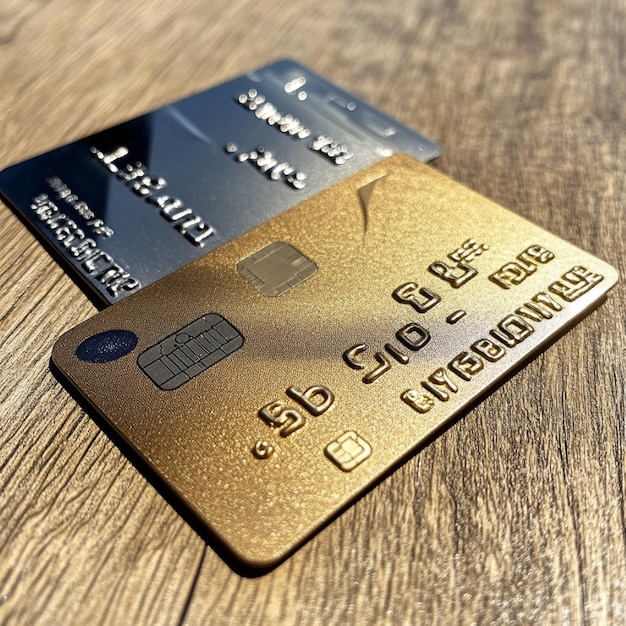
Interest rates tell only part of the story. Personal loan APRs currently average between 10% and 28% depending on your credit score. Excellent credit scores above 720 unlock the best rates. Poor credit pushes you toward the higher end or results in rejection. Many lenders now use alternative data beyond credit scores to evaluate borrowers, opening doors for those building credit.
Credit card APRs have climbed significantly. The average rate hovers around 24% as of early 2024, according to recent Federal Reserve data. Some cards exceed 30% APR for those with limited credit history. Promotional 0% APR offers still exist, typically lasting 12 to 21 months. These promotions can be goldmines if you pay off balances before the promotional period ends.
The Federal Reserve’s monetary policy directly impacts both products. While rate increases have slowed, borrowing costs remain elevated compared to pre-2022 levels. This environment makes choosing the right borrowing tool more critical than ever. A few percentage points in APR difference translates to hundreds or thousands in total interest paid.
When Credit Cards Beat Personal Loans
Credit cards excel in specific scenarios despite their higher average rates. Understanding these situations helps you leverage their benefits without falling into debt traps. The key lies in matching the tool to your financial goal and repayment ability.
Emergency expenses under $1,000 often make sense on credit cards. You avoid application fees and hard credit inquiries that personal loans require. Many cards offer grace periods of 21 to 25 days with no interest if you pay the full balance. This essentially provides a free short-term loan. Quick access matters when your refrigerator dies or you need urgent car repairs.
Rewards programs shift the value equation dramatically. Cashback cards return 1% to 5% on purchases. Travel cards offer points worth even more when redeemed strategically. If you’re making a large planned purchase you can pay off quickly, rewards cards deliver free money. A $5,000 home renovation on a 2% cashback card nets $100 back. Personal loans never offer such perks.
The 0% APR Advantage

Promotional interest-free periods create powerful opportunities. Balance transfer cards let you move high-interest debt and pay zero interest for 12 to 21 months. You’ll typically pay a 3% to 5% transfer fee, but this beats paying 24% APR on the original card. Smart consumers treat these promotions like interest-free personal loans with strict deadlines.
Purchase APR promotions work similarly. Major retailers and card issuers partner to offer 0% financing on big-ticket items. You might finance new appliances or furniture without interest charges. The catch? Miss the payoff deadline by one day, and deferred interest on the entire original balance can hit your account. This trap has burned countless consumers.
Credit cards also provide superior fraud protection compared to personal loans. The Fair Credit Billing Act limits your liability to $50 for unauthorized charges. Most issuers offer zero liability policies. Disputing charges is straightforward. Personal loans transfer cash to your bank account, offering no such purchase protections. This matters when buying from unfamiliar vendors or online retailers.
Building Credit Strategically
Your credit utilization ratio—how much credit you use versus your total available credit—impacts your credit score significantly. Keeping utilization below 30% helps your score. Multiple credit cards with low balances demonstrate responsible management. Personal loans help by diversifying your credit mix, but they don’t offer the same ongoing opportunity to showcase responsible revolving credit use.
Credit cards provide flexibility that personal loans can’t match. Need extra cash next month? Your credit line is there. Personal loans require new applications, credit checks, and approval processes each time. This flexibility becomes invaluable during financially uncertain periods. However, this same flexibility tempts overspending. Discipline separates those who benefit from those who spiral into debt.
The reporting structure differs too. Credit cards report monthly, continuously updating your credit profile. Personal loans report as installment loans with decreasing balances. Both help your score when managed well. Mixing both types of credit typically benefits your score more than relying on just one. Lenders like seeing you handle different credit types responsibly.
When Personal Loans Make More Sense
Personal loans win for debt consolidation and large fixed expenses. Combining multiple high-interest credit card balances into one lower-rate personal loan simplifies payments and reduces interest costs. You’ll save money and gain clarity with one predictable monthly payment. The fixed term creates a concrete debt-free date.
Home improvements, medical bills, and major life events often warrant personal loans. Borrowing $15,000 at 12% APR beats putting it on a credit card at 24% APR. The structured repayment prevents the minimum-payment trap that keeps credit card debt alive for decades. Personal loans force discipline through fixed payments you can’t reduce.
Major purchases you’ll pay off over years make sense as personal loans. Wedding costs, adoption fees, or necessary vehicle purchases fit this category. The lower interest rate over a multi-year term substantially reduces total costs. Running these balances on credit cards would multiply your interest payments unnecessarily.
The right choice between credit cards and personal loans depends entirely on your specific situation and discipline level. Credit cards work brilliantly for short-term needs, rewards optimization, and maintaining financial flexibility. Personal loans excel when you need larger amounts with predictable repayment schedules and lower interest costs. The worst decision is choosing based on convenience alone without calculating total costs. Run the numbers for your situation. Consider your repayment timeline realistically. Most importantly, commit to paying off whatever you borrow as aggressively as possible. Both tools can help or hurt your finances—the difference lies in how strategically you use them.
References
- Federal Reserve. “Consumer Credit – G.19.” Board of Governors of the Federal Reserve System. https://www.federalreserve.gov/releases/g19/current/
- NerdWallet. “Personal Loan Rates and Trends.” https://www.nerdwallet.com/personal-loans
- Consumer Financial Protection Bureau. “What is a debt-to-income ratio? Why is the 43% debt-to-income ratio important?” https://www.consumerfinance.gov/ask-cfpb/
Your car just broke down, and the repair bill hits $3,000. Or maybe you’re staring at multiple high-interest debts wondering how to consolidate them. The question isn’t whether you need money—it’s how to get it smartly. Credit cards and personal loans both offer quick access to funds, but they work very differently. The choice you make today could save or cost you thousands of dollars in interest. Understanding which option fits your situation requires looking beyond interest rates alone. Let’s break down what actually matters in 2024’s lending landscape.
Understanding Your Borrowing Options in 2024
The lending market has transformed dramatically since the pandemic. Digital banks and fintech companies now compete aggressively with traditional lenders. This competition has created better rates and faster approval times for consumers. Personal loans have become more accessible, while credit card offers flood our mailboxes weekly.
Personal loans provide a lump sum upfront with fixed monthly payments. You’ll know exactly when the debt disappears. Most personal loans range from $1,000 to $50,000 with repayment terms spanning two to seven years. The interest rate stays constant throughout the loan term. This predictability helps with budgeting and long-term financial planning.
Credit cards operate differently. They offer revolving credit that you can use repeatedly up to your limit. You only pay interest on what you actually borrow. Minimum payments keep the account current, but paying only the minimum extends your debt for years. Credit cards shine for ongoing expenses and emergency flexibility. However, their variable interest rates can increase without warning, making long-term planning trickier.
The Interest Rate Reality Check
Interest rates tell only part of the story. Personal loan APRs currently average between 10% and 28% depending on your credit score. Excellent credit scores above 720 unlock the best rates. Poor credit pushes you toward the higher end or results in rejection. Many lenders now use alternative data beyond credit scores to evaluate borrowers, opening doors for those building credit.
Credit card APRs have climbed significantly. The average rate hovers around 24% as of early 2024, according to recent Federal Reserve data. Some cards exceed 30% APR for those with limited credit history. Promotional 0% APR offers still exist, typically lasting 12 to 21 months. These promotions can be goldmines if you pay off balances before the promotional period ends.
The Federal Reserve’s monetary policy directly impacts both products. While rate increases have slowed, borrowing costs remain elevated compared to pre-2022 levels. This environment makes choosing the right borrowing tool more critical than ever. A few percentage points in APR difference translates to hundreds or thousands in total interest paid.
When Credit Cards Beat Personal Loans
Credit cards excel in specific scenarios despite their higher average rates. Understanding these situations helps you leverage their benefits without falling into debt traps. The key lies in matching the tool to your financial goal and repayment ability.
Emergency expenses under $1,000 often make sense on credit cards. You avoid application fees and hard credit inquiries that personal loans require. Many cards offer grace periods of 21 to 25 days with no interest if you pay the full balance. This essentially provides a free short-term loan. Quick access matters when your refrigerator dies or you need urgent car repairs.
Rewards programs shift the value equation dramatically. Cashback cards return 1% to 5% on purchases. Travel cards offer points worth even more when redeemed strategically. If you’re making a large planned purchase you can pay off quickly, rewards cards deliver free money. A $5,000 home renovation on a 2% cashback card nets $100 back. Personal loans never offer such perks.
The 0% APR Advantage
Promotional interest-free periods create powerful opportunities. Balance transfer cards let you move high-interest debt and pay zero interest for 12 to 21 months. You’ll typically pay a 3% to 5% transfer fee, but this beats paying 24% APR on the original card. Smart consumers treat these promotions like interest-free personal loans with strict deadlines.
Purchase APR promotions work similarly. Major retailers and card issuers partner to offer 0% financing on big-ticket items. You might finance new appliances or furniture without interest charges. The catch? Miss the payoff deadline by one day, and deferred interest on the entire original balance can hit your account. This trap has burned countless consumers.
Credit cards also provide superior fraud protection compared to personal loans. The Fair Credit Billing Act limits your liability to $50 for unauthorized charges. Most issuers offer zero liability policies. Disputing charges is straightforward. Personal loans transfer cash to your bank account, offering no such purchase protections. This matters when buying from unfamiliar vendors or online retailers.
Building Credit Strategically
Your credit utilization ratio—how much credit you use versus your total available credit—impacts your credit score significantly. Keeping utilization below 30% helps your score. Multiple credit cards with low balances demonstrate responsible management. Personal loans help by diversifying your credit mix, but they don’t offer the same ongoing opportunity to showcase responsible revolving credit use.
Credit cards provide flexibility that personal loans can’t match. Need extra cash next month? Your credit line is there. Personal loans require new applications, credit checks, and approval processes each time. This flexibility becomes invaluable during financially uncertain periods. However, this same flexibility tempts overspending. Discipline separates those who benefit from those who spiral into debt.
The reporting structure differs too. Credit cards report monthly, continuously updating your credit profile. Personal loans report as installment loans with decreasing balances. Both help your score when managed well. Mixing both types of credit typically benefits your score more than relying on just one. Lenders like seeing you handle different credit types responsibly.
When Personal Loans Make More Sense
Personal loans win for debt consolidation and large fixed expenses. Combining multiple high-interest credit card balances into one lower-rate personal loan simplifies payments and reduces interest costs. You’ll save money and gain clarity with one predictable monthly payment. The fixed term creates a concrete debt-free date.
Home improvements, medical bills, and major life events often warrant personal loans. Borrowing $15,000 at 12% APR beats putting it on a credit card at 24% APR. The structured repayment prevents the minimum-payment trap that keeps credit card debt alive for decades. Personal loans force discipline through fixed payments you can’t reduce.
Major purchases you’ll pay off over years make sense as personal loans. Wedding costs, adoption fees, or necessary vehicle purchases fit this category. The lower interest rate over a multi-year term substantially reduces total costs. Running these balances on credit cards would multiply your interest payments unnecessarily.
The right choice between credit cards and personal loans depends entirely on your specific situation and discipline level. Credit cards work brilliantly for short-term needs, rewards optimization, and maintaining financial flexibility. Personal loans excel when you need larger amounts with predictable repayment schedules and lower interest costs. The worst decision is choosing based on convenience alone without calculating total costs. Run the numbers for your situation. Consider your repayment timeline realistically. Most importantly, commit to paying off whatever you borrow as aggressively as possible. Both tools can help or hurt your finances—the difference lies in how strategically you use them.
References
- Federal Reserve. “Consumer Credit – G.19.” Board of Governors of the Federal Reserve System. https://www.federalreserve.gov/releases/g19/current/
- NerdWallet. “Personal Loan Rates and Trends.” https://www.nerdwallet.com/personal-loans
- Consumer Financial Protection Bureau. “What is a debt-to-income ratio? Why is the 43% debt-to-income ratio important?” https://www.consumerfinance.gov/ask-cfpb/







)