

Remember when saving money meant manually transferring funds to your savings account every payday? Those days are fading fast. Today’s fintech apps have revolutionized personal finance by automating the entire savings process. You don’t need to remember to save. You don’t even need to think about it. These innovative apps work quietly in the background, helping you build wealth while you focus on living your life.
The Rise of Automated Savings Technology
The fintech revolution has transformed how Americans approach saving money. Traditional banks once dominated the savings landscape with their basic interest-bearing accounts. Now, innovative startups use artificial intelligence and machine learning to analyze your spending patterns and automatically set aside money you won’t miss.
These apps connect directly to your checking account. They monitor your income and expenses in real-time. When they detect extra cash you can spare, they quietly move small amounts into savings. The process happens automatically, requiring zero effort from you.
The beauty of this approach lies in its simplicity. You’re not making conscious sacrifices or sticking to rigid budgets. Instead, the technology works around your lifestyle. It saves money when you can afford it and holds back when your account runs low. This flexibility makes saving accessible to people who previously struggled with traditional methods.
How Round-Up Features Build Wealth Incrementally
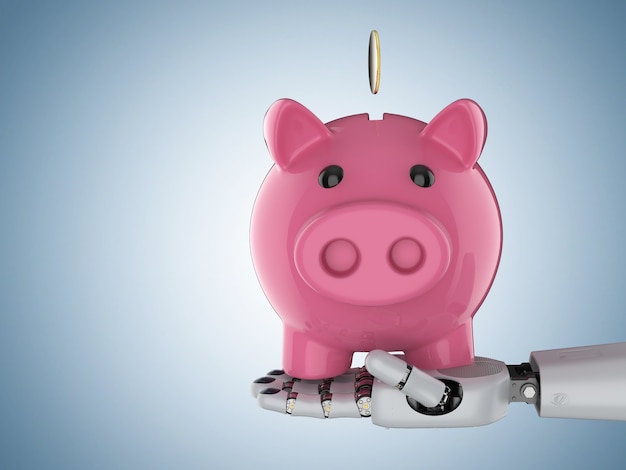
Round-up savings represent one of the most popular automated saving methods. Apps like Acorns and Chime pioneered this approach. Every time you make a purchase, the app rounds up to the nearest dollar and saves the difference. Buy a coffee for $4.25, and the app rounds it to $5.00, saving 75 cents automatically.
These micro-savings might seem insignificant at first glance. However, they accumulate surprisingly fast. Consider the average American makes dozens of transactions weekly. Those small round-ups can easily translate to $50 or more monthly. That’s $600 annually without any conscious effort.
Many apps now offer multiplier features that accelerate this process. You can double or triple your round-ups to boost savings even faster. Some platforms also offer cashback rewards from partner retailers. These bonuses get deposited directly into your savings, creating additional passive income streams that require zero work from you.
The Psychology Behind Painless Saving
Behavioral economics explains why automated saving works so effectively. Humans struggle with delayed gratification. We prefer immediate rewards over future benefits. Automated apps remove this psychological barrier by making saving invisible and effortless.
The “set it and forget it” approach leverages what economists call “mental accounting.” When small amounts disappear automatically, we don’t register them as losses. Our brains don’t trigger the same resistance they would if we manually transferred $100 monthly. The pain of saving diminishes when the process happens without our active participation.
Additionally, these apps often gamify the savings experience. They send encouraging notifications celebrating your milestones. Some create visual progress bars showing you inching toward your goals. This positive reinforcement builds healthy financial habits over time. You start viewing saving as rewarding rather than restrictive.
How Smart Technology Builds Your Emergency Fund

Modern fintech apps employ sophisticated algorithms that learn your financial patterns. Digit and Qapital analyze factors like your income schedule, recurring bills, and spending habits. They calculate exactly how much you can save without causing overdrafts or financial stress.
These algorithms grow smarter over time. They notice patterns in your behavior. They learn when you typically have extra money available. They recognize seasonal variations in your spending. This intelligence allows them to optimize savings transfers for maximum efficiency without disrupting your cash flow.
The technology also adapts to life changes automatically. Got a raise? The app gradually increases your savings rate. Facing unexpected expenses? It temporarily reduces transfers. This dynamic adjustment means you never need to manually update settings or worry about overdrawing your account.
Goal-Based Saving Features
Most automated savings apps let you create specific savings goals. You might save for emergencies, vacations, or down payments. The app then allocates your automated savings toward these objectives. This feature makes abstract financial goals feel concrete and achievable.
Visual progress tracking keeps you motivated. You watch your emergency fund grow from zero to three months’ expenses. You see your vacation fund approaching the target amount. These tangible markers provide psychological rewards that traditional savings accounts never offered.
Some apps even predict when you’ll reach your goals based on current savings rates. This forecasting helps you plan major purchases or life events more confidently. You gain clarity about what’s financially possible and when. This transparency empowers better decision-making across all areas of your financial life.
Security and Regulatory Considerations
When you grant apps access to your bank accounts, security becomes paramount. Reputable fintech companies use bank-level 256-bit encryption to protect your data. They never store your banking credentials directly. Instead, they use secure third-party services like Plaid to connect with your financial institutions.
The Consumer Financial Protection Bureau oversees many fintech operations. However, regulations continue evolving as technology advances. You should verify that any app you use carries FDIC insurance on deposits. This protection ensures your savings remain safe even if the company faces financial difficulties.
Data privacy represents another critical concern. These apps collect detailed information about your spending habits and financial behavior. Read privacy policies carefully before signing up. Understand what data gets collected and how companies use it. Choose platforms with transparent policies and strong track records. Your financial information deserves the highest level of protection.
Building Long-Term Financial Resilience
Automated savings apps excel at helping you build emergency funds. Financial experts recommend maintaining three to six months of expenses in accessible savings. This cushion protects you from unexpected job loss, medical bills, or urgent repairs. Automated apps make reaching this goal realistic for average earners.
The consistency of automated saving creates compound benefits over time. Even small amounts grow substantially when saved regularly. Add in competitive interest rates offered by many fintech platforms, and your money works harder than in traditional banks. Some apps offer annual percentage yields exceeding 4%, dramatically outpacing conventional savings accounts.
Beyond emergency funds, these tools help you develop lasting financial discipline. The habits you build through automated saving often spill over into other areas. You become more conscious of spending. You start thinking strategically about money. You gain confidence in your ability to achieve financial goals. These behavioral changes ultimately matter more than any single app feature.
The fintech revolution has democratized smart saving strategies once available only to the wealthy. Today’s automated savings apps put powerful financial tools in everyone’s pocket. They eliminate the willpower and discipline that traditionally made saving difficult. By leveraging technology to automate good financial habits, you can build substantial savings without sacrificing your lifestyle or constantly monitoring your accounts. The key is getting started. Choose an app that matches your needs, connect your accounts, and let technology do the heavy lifting. Your future self will thank you for the effortless wealth you build today.
References
- NerdWallet. “Best Savings Apps.” https://www.nerdwallet.com/best/banking/savings-apps
- Consumer Financial Protection Bureau. “What is the CFPB?” https://www.consumerfinance.gov/about-us/
- Forbes Advisor. “Best Automated Savings Apps.” https://www.forbes.com/advisor/banking/savings/best-automated-savings-apps/
Remember when saving money meant manually transferring funds to your savings account every payday? Those days are fading fast. Today’s fintech apps have revolutionized personal finance by automating the entire savings process. You don’t need to remember to save. You don’t even need to think about it. These innovative apps work quietly in the background, helping you build wealth while you focus on living your life.
The Rise of Automated Savings Technology
The fintech revolution has transformed how Americans approach saving money. Traditional banks once dominated the savings landscape with their basic interest-bearing accounts. Now, innovative startups use artificial intelligence and machine learning to analyze your spending patterns and automatically set aside money you won’t miss.
These apps connect directly to your checking account. They monitor your income and expenses in real-time. When they detect extra cash you can spare, they quietly move small amounts into savings. The process happens automatically, requiring zero effort from you.
The beauty of this approach lies in its simplicity. You’re not making conscious sacrifices or sticking to rigid budgets. Instead, the technology works around your lifestyle. It saves money when you can afford it and holds back when your account runs low. This flexibility makes saving accessible to people who previously struggled with traditional methods.
How Round-Up Features Build Wealth Incrementally
Round-up savings represent one of the most popular automated saving methods. Apps like Acorns and Chime pioneered this approach. Every time you make a purchase, the app rounds up to the nearest dollar and saves the difference. Buy a coffee for $4.25, and the app rounds it to $5.00, saving 75 cents automatically.
These micro-savings might seem insignificant at first glance. However, they accumulate surprisingly fast. Consider the average American makes dozens of transactions weekly. Those small round-ups can easily translate to $50 or more monthly. That’s $600 annually without any conscious effort.
Many apps now offer multiplier features that accelerate this process. You can double or triple your round-ups to boost savings even faster. Some platforms also offer cashback rewards from partner retailers. These bonuses get deposited directly into your savings, creating additional passive income streams that require zero work from you.
The Psychology Behind Painless Saving
Behavioral economics explains why automated saving works so effectively. Humans struggle with delayed gratification. We prefer immediate rewards over future benefits. Automated apps remove this psychological barrier by making saving invisible and effortless.
The “set it and forget it” approach leverages what economists call “mental accounting.” When small amounts disappear automatically, we don’t register them as losses. Our brains don’t trigger the same resistance they would if we manually transferred $100 monthly. The pain of saving diminishes when the process happens without our active participation.
Additionally, these apps often gamify the savings experience. They send encouraging notifications celebrating your milestones. Some create visual progress bars showing you inching toward your goals. This positive reinforcement builds healthy financial habits over time. You start viewing saving as rewarding rather than restrictive.
How Smart Technology Builds Your Emergency Fund
Modern fintech apps employ sophisticated algorithms that learn your financial patterns. Digit and Qapital analyze factors like your income schedule, recurring bills, and spending habits. They calculate exactly how much you can save without causing overdrafts or financial stress.
These algorithms grow smarter over time. They notice patterns in your behavior. They learn when you typically have extra money available. They recognize seasonal variations in your spending. This intelligence allows them to optimize savings transfers for maximum efficiency without disrupting your cash flow.
The technology also adapts to life changes automatically. Got a raise? The app gradually increases your savings rate. Facing unexpected expenses? It temporarily reduces transfers. This dynamic adjustment means you never need to manually update settings or worry about overdrawing your account.
Goal-Based Saving Features
Most automated savings apps let you create specific savings goals. You might save for emergencies, vacations, or down payments. The app then allocates your automated savings toward these objectives. This feature makes abstract financial goals feel concrete and achievable.
Visual progress tracking keeps you motivated. You watch your emergency fund grow from zero to three months’ expenses. You see your vacation fund approaching the target amount. These tangible markers provide psychological rewards that traditional savings accounts never offered.
Some apps even predict when you’ll reach your goals based on current savings rates. This forecasting helps you plan major purchases or life events more confidently. You gain clarity about what’s financially possible and when. This transparency empowers better decision-making across all areas of your financial life.
Security and Regulatory Considerations
When you grant apps access to your bank accounts, security becomes paramount. Reputable fintech companies use bank-level 256-bit encryption to protect your data. They never store your banking credentials directly. Instead, they use secure third-party services like Plaid to connect with your financial institutions.
The Consumer Financial Protection Bureau oversees many fintech operations. However, regulations continue evolving as technology advances. You should verify that any app you use carries FDIC insurance on deposits. This protection ensures your savings remain safe even if the company faces financial difficulties.
Data privacy represents another critical concern. These apps collect detailed information about your spending habits and financial behavior. Read privacy policies carefully before signing up. Understand what data gets collected and how companies use it. Choose platforms with transparent policies and strong track records. Your financial information deserves the highest level of protection.
Building Long-Term Financial Resilience
Automated savings apps excel at helping you build emergency funds. Financial experts recommend maintaining three to six months of expenses in accessible savings. This cushion protects you from unexpected job loss, medical bills, or urgent repairs. Automated apps make reaching this goal realistic for average earners.
The consistency of automated saving creates compound benefits over time. Even small amounts grow substantially when saved regularly. Add in competitive interest rates offered by many fintech platforms, and your money works harder than in traditional banks. Some apps offer annual percentage yields exceeding 4%, dramatically outpacing conventional savings accounts.
Beyond emergency funds, these tools help you develop lasting financial discipline. The habits you build through automated saving often spill over into other areas. You become more conscious of spending. You start thinking strategically about money. You gain confidence in your ability to achieve financial goals. These behavioral changes ultimately matter more than any single app feature.
The fintech revolution has democratized smart saving strategies once available only to the wealthy. Today’s automated savings apps put powerful financial tools in everyone’s pocket. They eliminate the willpower and discipline that traditionally made saving difficult. By leveraging technology to automate good financial habits, you can build substantial savings without sacrificing your lifestyle or constantly monitoring your accounts. The key is getting started. Choose an app that matches your needs, connect your accounts, and let technology do the heavy lifting. Your future self will thank you for the effortless wealth you build today.
References
- NerdWallet. “Best Savings Apps.” https://www.nerdwallet.com/best/banking/savings-apps
- Consumer Financial Protection Bureau. “What is the CFPB?” https://www.consumerfinance.gov/about-us/
- Forbes Advisor. “Best Automated Savings Apps.” https://www.forbes.com/advisor/banking/savings/best-automated-savings-apps/







)