

Remember when saving money meant manually transferring funds to your savings account every payday, hoping you’d remember to do it consistently? Those days are fading fast. A new generation of fintech apps has emerged that takes the mental load out of saving entirely.
These intelligent platforms work quietly in the background. They analyze your spending patterns and automatically stashing away small amounts you won’t even miss. For millennials juggling student loans, rising rent, and the constant temptation of one-click purchases, these apps offer a lifeline to financial stability without requiring superhuman willpower.
Effortless Saving: Apps That Automate Your Money
The traditional approach to saving required constant vigilance and discipline. You had to remember to transfer money, decide how much to save, and resist the urge to move it back when something tempting caught your eye.
Fintech companies recognized this friction and built solutions that remove human error from the equation. Apps like Digit, Qapital, and Chime now use algorithms to determine what you can afford to save based on your income, spending habits, and upcoming bills.
These platforms connect directly to your checking account and monitor your cash flow in real-time. They learn your patterns over weeks and months, becoming smarter about when to move money without leaving you short for rent or groceries.
The beauty lies in the automation—you set your preferences once, and the app handles everything else. This approach transforms saving from an active chore into a passive benefit, making it accessible even to those who’ve struggled with traditional methods.
The psychological impact shouldn’t be underestimated either. When saving happens automatically, you don’t experience the same sense of loss that comes with manually moving money.
You simply adjust to living on what remains in your checking account. Over time, those invisible transfers accumulate into substantial emergency funds or goal-oriented savings that might have seemed impossible to build through willpower alone.
How Micro-Savings Technology Works
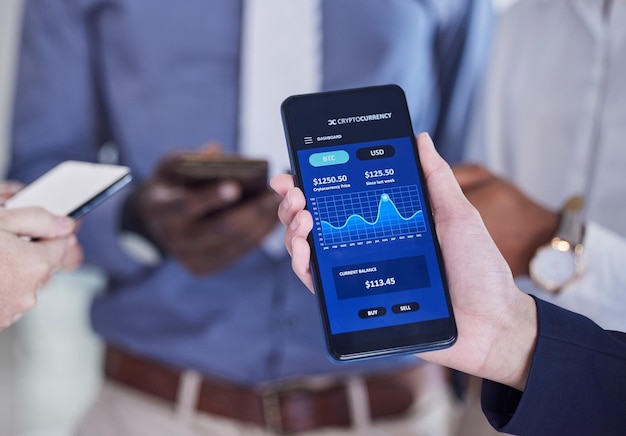
Most automated saving apps employ a technique called micro-saving, which rounds up purchases to the nearest dollar and saves the difference. Buy a coffee for $3.75, and the app saves $0.25.
This might sound trivial, but Americans make dozens of transactions weekly, and those quarters add up faster than you’d expect. Acorns pioneered this roundup method and has helped users save over $15 billion collectively since its launch, according to company reports.
Beyond simple roundups, more sophisticated apps analyze your spending velocity and account balance to determine safe amounts to save.
Digit, for instance, checks your account every few days and transfers small amounts—sometimes $5, sometimes $30—based on what it calculates you won’t need. The company claims its algorithm has saved users over $7 billion while maintaining a remarkably low overdraft rate.
These intelligent systems consider factors like recurring bills, irregular income patterns, and even your typical weekend spending spikes.
Some apps take automation further by linking savings to behavioral triggers. Qapital lets you create custom rules: save $10 every time you go to the gym, set aside money when you skip your daily latte, or automatically save a percentage of every paycheck.
These gamified approaches make saving feel less like deprivation and more like a rewarding challenge. The technology transforms abstract financial goals into concrete, achievable milestones.
How Micro-Savings Tools Are Changing Finance
Traditional banking often failed younger generations and lower-income individuals. Minimum balance requirements, monthly fees, and complex products created barriers to entry.
Micro-savings apps have demolished these obstacles by offering free or low-cost access to automated saving tools that were once available only through expensive financial advisors. Most charge between $1 and $5 monthly, making sophisticated money management accessible to nearly everyone.
This democratization extends beyond just savings features. Many fintech apps now bundle additional services like early direct deposit, fee-free overdraft protection, and basic investment options.
Chime, for example, offers a feature that automatically saves 10% of every direct deposit while also providing access to paychecks up to two days early. These integrated approaches address multiple financial pain points simultaneously, creating comprehensive solutions rather than isolated tools.
The impact on financial inclusion has been significant. According to the Federal Reserve’s 2022 report on household economics, nearly 40% of Americans would struggle to cover a $400 emergency expense.
Automated savings apps help bridge this gap by building emergency funds painlessly over time. They’ve particularly resonated with millennials, who face unique financial pressures from student debt and delayed homeownership while navigating an increasingly cashless economy.
Regulatory Considerations and Data Security

As these apps gain popularity, regulatory scrutiny has intensified. The Consumer Financial Protection Bureau has increased oversight of fintech companies, particularly regarding how they access bank account data and protect consumer information.
Most savings apps use read-only access through secure platforms like Plaid, which connects to over 11,000 financial institutions. However, users should understand what permissions they’re granting and how their financial data gets used.
Data security remains paramount when trusting an app with your banking credentials. Reputable fintech companies employ bank-level 256-bit encryption and store credentials in secure, encrypted databases.
They’re also typically insured by the FDIC up to $250,000 when they partner with established banks to hold deposits. Still, consumers should research each app’s security measures, read privacy policies, and enable two-factor authentication wherever possible.
The regulatory landscape continues evolving as traditional banks and fintech startups negotiate their relationship. Some established banks now partner with fintech companies or develop their own automated savings features to compete.
This competition benefits consumers through improved services and lower costs. However, it also creates complexity around which regulations apply and who bears responsibility when issues arise, making consumer education more critical than ever.
The Future of Automated Personal Finance
Automated savings represents just the beginning of AI-driven personal finance. The next generation of apps will likely incorporate more sophisticated predictive analytics, offering personalized financial advice based on your unique situation.
Some platforms already experiment with features that automatically adjust savings rates based on upcoming expenses detected in your calendar or email, like planned vacations or annual insurance premiums.
Integration with other financial services will deepen as well. We’re seeing apps that combine automated saving with debt payoff strategies, investment portfolios, and even cryptocurrency holdings.
This holistic approach treats your finances as an interconnected ecosystem rather than separate silos. Imagine an app that automatically reduces savings contributions when it detects you’re falling behind on credit card payments, then redirects those funds to high-interest debt instead.
The ultimate goal is creating a financial autopilot that requires minimal human intervention while maximizing outcomes. As machine learning algorithms become more refined and open banking standards expand, these tools will grow increasingly powerful.
For millennials and Gen Z consumers who’ve grown up with algorithmic recommendations for everything from music to dating, applying the same technology to finances feels like a natural evolution. The question isn’t whether to embrace these tools, but how to use them wisely while maintaining awareness of your overall financial picture.
Automated savings apps have fundamentally changed the relationship between Americans and their money. By removing friction, leveraging technology, and making saving invisible, they’ve helped millions build financial cushions that might otherwise never have materialized.
Final Thoughts
These tools aren’t magic—they won’t solve deeper issues like insufficient income or overwhelming debt—but they represent a powerful ally in the quest for financial stability. As you explore these options, start with one app that aligns with your goals, monitor it for a few months, and adjust your settings as needed.
The best savings strategy is one you’ll actually stick with, and for many millennials, that means letting technology do the heavy lifting while you focus on living your life. Just don’t forget to occasionally check in on those growing balances—you might be pleasantly surprised by what you’ve accomplished without even trying.
References
- Federal Reserve Board. (2023). “Report on the Economic Well-Being of U.S. Households in 2022.” Federal Reserve. https://www.federalreserve.gov/publications/2023-economic-well-being-of-us-households-in-2022-dealing-with-unexpected-expenses.htm
- Frankel, M. (2023). “Best Micro-Investing Apps.” NerdWallet. https://www.nerdwallet.com/best/investing/micro-investing-apps
- Konsko, L. (2024). “How Automatic Savings Apps Work and Which One Is Right for You.” NerdWallet. https://www.nerdwallet.com/article/banking/automatic-savings-apps
Keep Reading
If you found this article helpful, check out these related guides:
- Effortless Saving: Apps That Automate Your Money
- How AI Finance Assistants Save Time And Boost Productivity
- Best Expense Tracking Apps 2026: Reviews and Features
Remember when saving money meant manually transferring funds to your savings account every payday, hoping you’d remember to do it consistently? Those days are fading fast. A new generation of fintech apps has emerged that takes the mental load out of saving entirely.
These intelligent platforms work quietly in the background. They analyze your spending patterns and automatically stashing away small amounts you won’t even miss. For millennials juggling student loans, rising rent, and the constant temptation of one-click purchases, these apps offer a lifeline to financial stability without requiring superhuman willpower.
Effortless Saving: Apps That Automate Your Money
The traditional approach to saving required constant vigilance and discipline. You had to remember to transfer money, decide how much to save, and resist the urge to move it back when something tempting caught your eye.
Fintech companies recognized this friction and built solutions that remove human error from the equation. Apps like Digit, Qapital, and Chime now use algorithms to determine what you can afford to save based on your income, spending habits, and upcoming bills.
These platforms connect directly to your checking account and monitor your cash flow in real-time. They learn your patterns over weeks and months, becoming smarter about when to move money without leaving you short for rent or groceries.
The beauty lies in the automation—you set your preferences once, and the app handles everything else. This approach transforms saving from an active chore into a passive benefit, making it accessible even to those who’ve struggled with traditional methods.
The psychological impact shouldn’t be underestimated either. When saving happens automatically, you don’t experience the same sense of loss that comes with manually moving money.
You simply adjust to living on what remains in your checking account. Over time, those invisible transfers accumulate into substantial emergency funds or goal-oriented savings that might have seemed impossible to build through willpower alone.
How Micro-Savings Technology Works
Most automated saving apps employ a technique called micro-saving, which rounds up purchases to the nearest dollar and saves the difference. Buy a coffee for $3.75, and the app saves $0.25.
This might sound trivial, but Americans make dozens of transactions weekly, and those quarters add up faster than you’d expect. Acorns pioneered this roundup method and has helped users save over $15 billion collectively since its launch, according to company reports.
Beyond simple roundups, more sophisticated apps analyze your spending velocity and account balance to determine safe amounts to save.
Digit, for instance, checks your account every few days and transfers small amounts—sometimes $5, sometimes $30—based on what it calculates you won’t need. The company claims its algorithm has saved users over $7 billion while maintaining a remarkably low overdraft rate.
These intelligent systems consider factors like recurring bills, irregular income patterns, and even your typical weekend spending spikes.
Some apps take automation further by linking savings to behavioral triggers. Qapital lets you create custom rules: save $10 every time you go to the gym, set aside money when you skip your daily latte, or automatically save a percentage of every paycheck.
These gamified approaches make saving feel less like deprivation and more like a rewarding challenge. The technology transforms abstract financial goals into concrete, achievable milestones.
How Micro-Savings Tools Are Changing Finance
Traditional banking often failed younger generations and lower-income individuals. Minimum balance requirements, monthly fees, and complex products created barriers to entry.
Micro-savings apps have demolished these obstacles by offering free or low-cost access to automated saving tools that were once available only through expensive financial advisors. Most charge between $1 and $5 monthly, making sophisticated money management accessible to nearly everyone.
This democratization extends beyond just savings features. Many fintech apps now bundle additional services like early direct deposit, fee-free overdraft protection, and basic investment options.
Chime, for example, offers a feature that automatically saves 10% of every direct deposit while also providing access to paychecks up to two days early. These integrated approaches address multiple financial pain points simultaneously, creating comprehensive solutions rather than isolated tools.
The impact on financial inclusion has been significant. According to the Federal Reserve’s 2022 report on household economics, nearly 40% of Americans would struggle to cover a $400 emergency expense.
Automated savings apps help bridge this gap by building emergency funds painlessly over time. They’ve particularly resonated with millennials, who face unique financial pressures from student debt and delayed homeownership while navigating an increasingly cashless economy.
Regulatory Considerations and Data Security
As these apps gain popularity, regulatory scrutiny has intensified. The Consumer Financial Protection Bureau has increased oversight of fintech companies, particularly regarding how they access bank account data and protect consumer information.
Most savings apps use read-only access through secure platforms like Plaid, which connects to over 11,000 financial institutions. However, users should understand what permissions they’re granting and how their financial data gets used.
Data security remains paramount when trusting an app with your banking credentials. Reputable fintech companies employ bank-level 256-bit encryption and store credentials in secure, encrypted databases.
They’re also typically insured by the FDIC up to $250,000 when they partner with established banks to hold deposits. Still, consumers should research each app’s security measures, read privacy policies, and enable two-factor authentication wherever possible.
The regulatory landscape continues evolving as traditional banks and fintech startups negotiate their relationship. Some established banks now partner with fintech companies or develop their own automated savings features to compete.
This competition benefits consumers through improved services and lower costs. However, it also creates complexity around which regulations apply and who bears responsibility when issues arise, making consumer education more critical than ever.
The Future of Automated Personal Finance
Automated savings represents just the beginning of AI-driven personal finance. The next generation of apps will likely incorporate more sophisticated predictive analytics, offering personalized financial advice based on your unique situation.
Some platforms already experiment with features that automatically adjust savings rates based on upcoming expenses detected in your calendar or email, like planned vacations or annual insurance premiums.
Integration with other financial services will deepen as well. We’re seeing apps that combine automated saving with debt payoff strategies, investment portfolios, and even cryptocurrency holdings.
This holistic approach treats your finances as an interconnected ecosystem rather than separate silos. Imagine an app that automatically reduces savings contributions when it detects you’re falling behind on credit card payments, then redirects those funds to high-interest debt instead.
The ultimate goal is creating a financial autopilot that requires minimal human intervention while maximizing outcomes. As machine learning algorithms become more refined and open banking standards expand, these tools will grow increasingly powerful.
For millennials and Gen Z consumers who’ve grown up with algorithmic recommendations for everything from music to dating, applying the same technology to finances feels like a natural evolution. The question isn’t whether to embrace these tools, but how to use them wisely while maintaining awareness of your overall financial picture.
Automated savings apps have fundamentally changed the relationship between Americans and their money. By removing friction, leveraging technology, and making saving invisible, they’ve helped millions build financial cushions that might otherwise never have materialized.
Final Thoughts
These tools aren’t magic—they won’t solve deeper issues like insufficient income or overwhelming debt—but they represent a powerful ally in the quest for financial stability. As you explore these options, start with one app that aligns with your goals, monitor it for a few months, and adjust your settings as needed.
The best savings strategy is one you’ll actually stick with, and for many millennials, that means letting technology do the heavy lifting while you focus on living your life. Just don’t forget to occasionally check in on those growing balances—you might be pleasantly surprised by what you’ve accomplished without even trying.
References
- Federal Reserve Board. (2023). “Report on the Economic Well-Being of U.S. Households in 2022.” Federal Reserve. https://www.federalreserve.gov/publications/2023-economic-well-being-of-us-households-in-2022-dealing-with-unexpected-expenses.htm
- Frankel, M. (2023). “Best Micro-Investing Apps.” NerdWallet. https://www.nerdwallet.com/best/investing/micro-investing-apps
- Konsko, L. (2024). “How Automatic Savings Apps Work and Which One Is Right for You.” NerdWallet. https://www.nerdwallet.com/article/banking/automatic-savings-apps
Keep Reading
If you found this article helpful, check out these related guides:







)