

Let’s be honest—most budgets don’t make it past week two. You start with the best intentions, download a budgeting app, and promise yourself this time will be different. Then life happens. Your car needs new tires, your friend’s birthday dinner costs more than expected, and suddenly your carefully crafted budget feels like a straightjacket instead of a financial roadmap.
The problem isn’t your willpower. It’s that traditional budgeting advice ignores how people actually spend money in today’s digital economy. Between subscription services auto-charging your card, contactless payments making spending invisible, and fintech apps fragmenting your money across multiple platforms, managing finances requires a fresh approach. This guide will show you how to build a budget that adapts to real life while helping you reach your financial goals.
Why Most Budgets Fail Within the First Month
The average budget fails because it starts with restriction instead of reality. Traditional budgeting tells you to slash expenses immediately. Cut out coffee. Cancel subscriptions. Stop enjoying life. This approach sets you up for failure from day one. Your brain rebels against sudden deprivation, much like crash diets lead to binge eating. Financial advisors at NerdWallet consistently find that overly restrictive budgets create a “scarcity mindset” that makes people more likely to overspend when they inevitably break their rules.
Another major culprit is the disconnect between budgeting tools and actual spending behavior. Many people still try to track cash-based budgets in a predominantly digital payment world. When you tap your phone or card dozens of times per month, those micro-transactions become invisible. Research from the Federal Reserve shows that contactless payments have grown by 150% since 2019. This shift means your spending happens faster and with less psychological friction than ever before. Your budget needs to account for this new reality rather than pretending you’re still balancing a checkbook.
The rise of variable billing adds another layer of complexity. Unlike your parents’ generation with predictable monthly bills, you’re juggling dynamic pricing from rideshare apps, fluctuating streaming service charges, and seasonal utility costs. Add in “buy now, pay later” fintech services that split purchases across months, and your actual monthly obligations become a moving target. According to a 2023 Consumer Financial Protection Bureau report, over 40% of millennials use at least one CFPB-regulated payment app regularly. Your budget must flex with these modern payment realities.
The Digital Money Trap
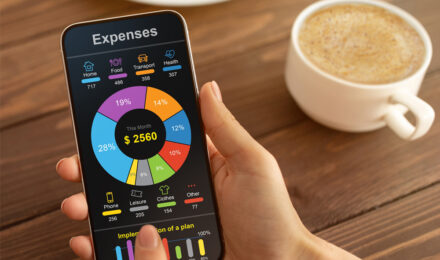
Digital wallets and multiple payment platforms create what financial experts call “money fragmentation.” You might have funds spread across Venmo, PayPal, Cash App, your checking account, and a high-yield savings account. This fragmentation makes it nearly impossible to see your complete financial picture at any given moment. When you can’t see all your money in one place, you can’t budget effectively.
The subscription economy deserves special attention here. The average American now pays for 4-5 streaming services, plus cloud storage, meal kits, fitness apps, and software subscriptions. These recurring charges often escape notice because they’re small individually. However, they add up to hundreds of dollars monthly. A 2024 study found that consumers underestimate their monthly subscription spending by an average of 42%. Your budget fails when these “invisible” expenses aren’t properly accounted for upfront.
Track Your Spending Before You Set Any Limits
Here’s the approach that actually works: observe before you optimize. Spend an entire month tracking every dollar without trying to change your behavior. This creates a baseline of your true spending patterns, not what you think you should spend. Use a budgeting app like Mint or YNAB that automatically imports transactions from your bank accounts, credit cards, and digital wallets. Manual tracking sounds virtuous but fails in practice because you’ll forget to log purchases made during your busy workday.
During this observation month, categorize your spending honestly. Don’t just lump everything into “miscellaneous.” Break it down into meaningful categories: groceries, dining out, transportation, entertainment, subscriptions, healthcare, and debt payments. Pay special attention to digital spending that happens automatically. Log into each subscription service and note the billing date and amount. Check your bank statements for recurring charges you might have forgotten about. This detective work often reveals $50-100 in monthly subscriptions people didn’t realize they were still paying for.
The goal isn’t judgment during this phase. You’re gathering data, not punishing yourself for past choices. Notice patterns without attaching shame to them. Maybe you spend more on takeout during stressful work weeks. Perhaps your weekend spending spikes significantly. These patterns reveal important information about your relationship with money and stress. Financial therapists increasingly recognize that sustainable budgets must account for emotional spending triggers rather than simply demanding willpower.
Building Your Reality-Based Budget

After your observation month, you’ll have real numbers to work with. Now comes the actual budgeting. Start with your fixed expenses—rent, insurance, minimum debt payments, and predictable utilities. These non-negotiables form your baseline. Next, add your variable necessities like groceries and gas. Be realistic here based on your tracking data, not aspirational numbers that sound good but don’t match reality.
Here’s where modern budgeting diverges from traditional advice: build in flexibility from the start. Create buffer categories for the unpredictable expenses that derail rigid budgets. Set aside money monthly for car maintenance, medical copays, gifts, and home repairs. When these costs inevitably arise, they won’t feel like budget emergencies. The Consumer Financial Protection Bureau recommends maintaining at least a small emergency fund of $500-1,000 before aggressively paying down debt, precisely because unexpected expenses are actually quite predictable in their unpredictability.
Now examine your discretionary spending. This includes dining out, entertainment, hobbies, and shopping. Rather than slashing these to unrealistic levels, look for the 20% you won’t miss. Maybe you keep your favorite streaming services but cancel the one you rarely use. Perhaps you reduce restaurant visits from eight times monthly to five, focusing on the outings you truly enjoy. Small, sustainable cuts beat dramatic restrictions that you’ll abandon within weeks.
Automating Your Budget
Technology should simplify budgeting, not complicate it. Set up automatic transfers to savings on payday, so you never see that money in your checking account. Many banks now offer automated savings tools that round up purchases and transfer the difference to savings. These “set and forget” systems work with human psychology rather than against it. You can’t spend money that’s already moved to another account.
Use your bank’s bill pay feature to automate fixed expenses. Schedule rent, insurance, and minimum debt payments to go out automatically each month. This eliminates late fees and removes decision fatigue from your budgeting process. For variable expenses like groceries and gas, consider using a separate checking account or prepaid card loaded with your budgeted amount. When the card’s empty, you’ve hit your limit for the month. This creates a physical constraint that’s easier to follow than abstract willpower.
Finally, schedule a monthly money date with yourself. Spend 30 minutes reviewing your spending, adjusting categories as needed, and celebrating wins. Budgets aren’t static documents—they’re living tools that should evolve with your life. Got a raise? Update your budget. Changed jobs and now commuting differently? Adjust your transportation category. This regular review keeps your budget relevant and prevents the disconnect that causes most budgeting attempts to fail.
Creating a budget that actually works means accepting how you really live and spend money in 2024. The digital economy, subscription services, and multiple payment platforms have fundamentally changed personal finance. Your budget must adapt to these realities rather than following outdated advice designed for a cash-and-checkbook world. Start by tracking without judging, build in realistic flexibility, and use automation to remove willpower from the equation. Remember that the best budget isn’t the most restrictive one—it’s the one you’ll still be using six months from now. Financial stability comes from sustainable systems, not temporary sacrifice. By aligning your budget with your actual life instead of an idealized version of it, you create a tool that guides your spending without controlling your happiness. That’s a budget worth keeping.
References
- NerdWallet. “Why Budgets Fail and How to Make Yours Work.” https://www.nerdwallet.com/article/finance/how-to-budget
- Consumer Financial Protection Bureau. “Consumer Use of Mobile Financial Services 2023.” https://www.consumerfinance.gov/data-research/research-reports/consumer-use-of-mobile-financial-services/
- Federal Reserve. “2023 Findings from the Diary of Consumer Payment Choice.” https://www.federalreserve.gov/paymentsystems/december-2023-findings-from-the-diary-of-consumer-payment-choice.htm
Let’s be honest—most budgets don’t make it past week two. You start with the best intentions, download a budgeting app, and promise yourself this time will be different. Then life happens. Your car needs new tires, your friend’s birthday dinner costs more than expected, and suddenly your carefully crafted budget feels like a straightjacket instead of a financial roadmap.
The problem isn’t your willpower. It’s that traditional budgeting advice ignores how people actually spend money in today’s digital economy. Between subscription services auto-charging your card, contactless payments making spending invisible, and fintech apps fragmenting your money across multiple platforms, managing finances requires a fresh approach. This guide will show you how to build a budget that adapts to real life while helping you reach your financial goals.
Why Most Budgets Fail Within the First Month
The average budget fails because it starts with restriction instead of reality. Traditional budgeting tells you to slash expenses immediately. Cut out coffee. Cancel subscriptions. Stop enjoying life. This approach sets you up for failure from day one. Your brain rebels against sudden deprivation, much like crash diets lead to binge eating. Financial advisors at NerdWallet consistently find that overly restrictive budgets create a “scarcity mindset” that makes people more likely to overspend when they inevitably break their rules.
Another major culprit is the disconnect between budgeting tools and actual spending behavior. Many people still try to track cash-based budgets in a predominantly digital payment world. When you tap your phone or card dozens of times per month, those micro-transactions become invisible. Research from the Federal Reserve shows that contactless payments have grown by 150% since 2019. This shift means your spending happens faster and with less psychological friction than ever before. Your budget needs to account for this new reality rather than pretending you’re still balancing a checkbook.
The rise of variable billing adds another layer of complexity. Unlike your parents’ generation with predictable monthly bills, you’re juggling dynamic pricing from rideshare apps, fluctuating streaming service charges, and seasonal utility costs. Add in “buy now, pay later” fintech services that split purchases across months, and your actual monthly obligations become a moving target. According to a 2023 Consumer Financial Protection Bureau report, over 40% of millennials use at least one CFPB-regulated payment app regularly. Your budget must flex with these modern payment realities.
The Digital Money Trap
Digital wallets and multiple payment platforms create what financial experts call “money fragmentation.” You might have funds spread across Venmo, PayPal, Cash App, your checking account, and a high-yield savings account. This fragmentation makes it nearly impossible to see your complete financial picture at any given moment. When you can’t see all your money in one place, you can’t budget effectively.
The subscription economy deserves special attention here. The average American now pays for 4-5 streaming services, plus cloud storage, meal kits, fitness apps, and software subscriptions. These recurring charges often escape notice because they’re small individually. However, they add up to hundreds of dollars monthly. A 2024 study found that consumers underestimate their monthly subscription spending by an average of 42%. Your budget fails when these “invisible” expenses aren’t properly accounted for upfront.
Track Your Spending Before You Set Any Limits
Here’s the approach that actually works: observe before you optimize. Spend an entire month tracking every dollar without trying to change your behavior. This creates a baseline of your true spending patterns, not what you think you should spend. Use a budgeting app like Mint or YNAB that automatically imports transactions from your bank accounts, credit cards, and digital wallets. Manual tracking sounds virtuous but fails in practice because you’ll forget to log purchases made during your busy workday.
During this observation month, categorize your spending honestly. Don’t just lump everything into “miscellaneous.” Break it down into meaningful categories: groceries, dining out, transportation, entertainment, subscriptions, healthcare, and debt payments. Pay special attention to digital spending that happens automatically. Log into each subscription service and note the billing date and amount. Check your bank statements for recurring charges you might have forgotten about. This detective work often reveals $50-100 in monthly subscriptions people didn’t realize they were still paying for.
The goal isn’t judgment during this phase. You’re gathering data, not punishing yourself for past choices. Notice patterns without attaching shame to them. Maybe you spend more on takeout during stressful work weeks. Perhaps your weekend spending spikes significantly. These patterns reveal important information about your relationship with money and stress. Financial therapists increasingly recognize that sustainable budgets must account for emotional spending triggers rather than simply demanding willpower.
Building Your Reality-Based Budget
After your observation month, you’ll have real numbers to work with. Now comes the actual budgeting. Start with your fixed expenses—rent, insurance, minimum debt payments, and predictable utilities. These non-negotiables form your baseline. Next, add your variable necessities like groceries and gas. Be realistic here based on your tracking data, not aspirational numbers that sound good but don’t match reality.
Here’s where modern budgeting diverges from traditional advice: build in flexibility from the start. Create buffer categories for the unpredictable expenses that derail rigid budgets. Set aside money monthly for car maintenance, medical copays, gifts, and home repairs. When these costs inevitably arise, they won’t feel like budget emergencies. The Consumer Financial Protection Bureau recommends maintaining at least a small emergency fund of $500-1,000 before aggressively paying down debt, precisely because unexpected expenses are actually quite predictable in their unpredictability.
Now examine your discretionary spending. This includes dining out, entertainment, hobbies, and shopping. Rather than slashing these to unrealistic levels, look for the 20% you won’t miss. Maybe you keep your favorite streaming services but cancel the one you rarely use. Perhaps you reduce restaurant visits from eight times monthly to five, focusing on the outings you truly enjoy. Small, sustainable cuts beat dramatic restrictions that you’ll abandon within weeks.
Automating Your Budget
Technology should simplify budgeting, not complicate it. Set up automatic transfers to savings on payday, so you never see that money in your checking account. Many banks now offer automated savings tools that round up purchases and transfer the difference to savings. These “set and forget” systems work with human psychology rather than against it. You can’t spend money that’s already moved to another account.
Use your bank’s bill pay feature to automate fixed expenses. Schedule rent, insurance, and minimum debt payments to go out automatically each month. This eliminates late fees and removes decision fatigue from your budgeting process. For variable expenses like groceries and gas, consider using a separate checking account or prepaid card loaded with your budgeted amount. When the card’s empty, you’ve hit your limit for the month. This creates a physical constraint that’s easier to follow than abstract willpower.
Finally, schedule a monthly money date with yourself. Spend 30 minutes reviewing your spending, adjusting categories as needed, and celebrating wins. Budgets aren’t static documents—they’re living tools that should evolve with your life. Got a raise? Update your budget. Changed jobs and now commuting differently? Adjust your transportation category. This regular review keeps your budget relevant and prevents the disconnect that causes most budgeting attempts to fail.
Creating a budget that actually works means accepting how you really live and spend money in 2024. The digital economy, subscription services, and multiple payment platforms have fundamentally changed personal finance. Your budget must adapt to these realities rather than following outdated advice designed for a cash-and-checkbook world. Start by tracking without judging, build in realistic flexibility, and use automation to remove willpower from the equation. Remember that the best budget isn’t the most restrictive one—it’s the one you’ll still be using six months from now. Financial stability comes from sustainable systems, not temporary sacrifice. By aligning your budget with your actual life instead of an idealized version of it, you create a tool that guides your spending without controlling your happiness. That’s a budget worth keeping.
References
- NerdWallet. “Why Budgets Fail and How to Make Yours Work.” https://www.nerdwallet.com/article/finance/how-to-budget
- Consumer Financial Protection Bureau. “Consumer Use of Mobile Financial Services 2023.” https://www.consumerfinance.gov/data-research/research-reports/consumer-use-of-mobile-financial-services/
- Federal Reserve. “2023 Findings from the Diary of Consumer Payment Choice.” https://www.federalreserve.gov/paymentsystems/december-2023-findings-from-the-diary-of-consumer-payment-choice.htm






)