

Key Takeaways
- International family travel costs 30-50% less than most parents assume when you use the right booking strategies and destination choices.
- Children under two fly free on most international airlines when sitting on a parent’s lap. Kids aged 2-11 receive 25-50% discounts on many carriers.
- Vacation rentals with kitchens slash food costs by half compared to eating every meal at restaurants, and they give families the space hotels never do.
- The best time to book family international travel is during shoulder season, when prices drop 30-40% and crowds thin out enough that kids actually enjoy the experience.
In This Article
- Why International Family Travel Is Worth Every Dollar
- Best Family-Friendly International Destinations by Budget
- Booking Family Flights Without Going Bankrupt
- Where to Stay: Hotels, Rentals, and the Space Problem
- Managing Daily Expenses with Kids Abroad
- Passports, Insurance, and the Logistics Parents Forget
- Keeping Everyone Sane: Pacing, Expectations, and Flexibility
Why International Family Travel Is Worth Every Dollar
My daughter was five the first time we took her abroad. My husband and I had been putting it off for years with the usual excuses: too expensive with kids, too complicated with car seats and nap schedules, too stressful when everything could go wrong in a country where we don’t speak the language. We finally booked two weeks in Portugal because the flights were cheap and a friend had a vacant rental apartment in Lisbon.
That trip cost us less than our usual week at a beach resort in Florida. And I watched my daughter absorb more about geography, language, food, and different ways of living in fourteen days than she had in an entire semester of kindergarten. She still talks about the old fisherman who taught her to count to ten in Portuguese. That was three years ago.
Here’s what nobody tells you about traveling internationally with kids: it’s not as expensive as you think, it’s not as hard as you fear, and the things that go “wrong” become the stories your family tells for decades. The research backs this up too. A Family Travel Association study found that 75% of parents credit travel with improving their children’s curiosity, adaptability, and confidence. You can’t buy those qualities at a toy store.
But I’m a financial planner, so I’m not going to tell you to just throw caution to the wind and book whatever looks pretty on Instagram. This guide is about doing it smart: choosing the right destinations, booking strategically, managing daily costs, and avoiding the traps that turn a family adventure into a financial hangover.
Best Family-Friendly International Destinations by Budget
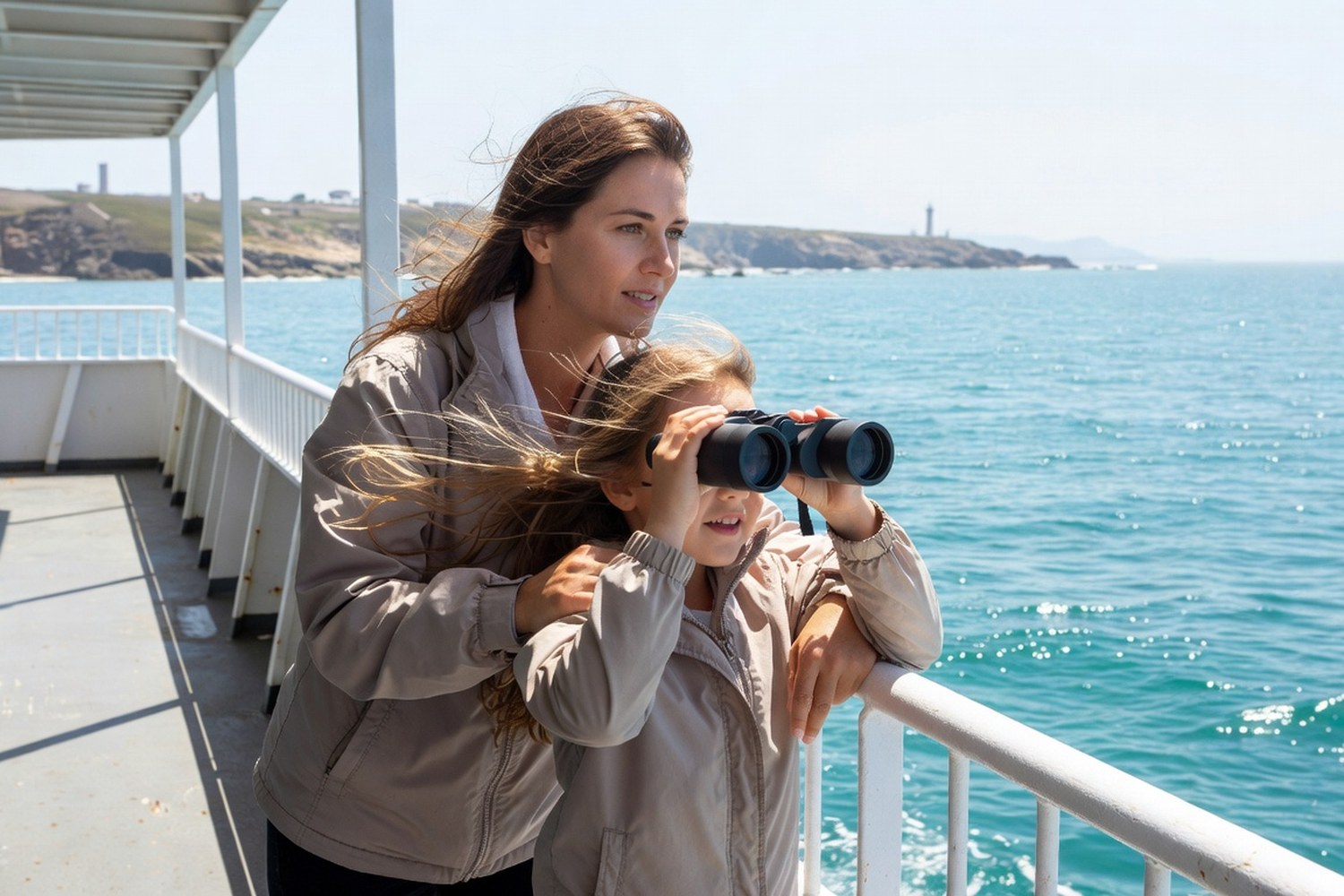
Not every great adult destination is a great family destination. You need a different filter when kids are involved: reliable healthcare access, safe streets for wandering, food options that won’t trigger a five-year-old meltdown, and enough variety that both parents and children are engaged.
Portugal is my top pick for families new to international travel. Lisbon and Porto are compact and walkable. The food is familiar enough that picky eaters survive — grilled chicken, bread, cheese, and pastries are everywhere — but interesting enough that adventurous kids discover new favorites. The public transit includes charming old trams that kids treat as amusement rides. Beaches are stunning and free. A family of four can eat well for $40-60 a day and stay in a central Airbnb for $80-120 per night.
Japan sounds counterintuitive for families, but it’s arguably the most family-friendly country on earth. The trains run with military precision, which matters when you’re navigating with strollers and tired kids. Convenience stores stock onigiri, sandwiches, and fresh fruit for $2-3 — instant healthy meals without a restaurant wait. Restrooms are everywhere and immaculate. Crime is essentially nonexistent. The culture is deeply respectful of children — restaurants and shops go out of their way to accommodate families. It costs more than Southeast Asia, but the infrastructure eliminates the stress that eats into your enjoyment at cheaper destinations.
Costa Rica is the nature destination families dream about. Zip lining, volcano hiking, wildlife watching, and beach days fill every itinerary. The country is small enough to cover multiple regions in two weeks. Healthcare is solid, English is widely spoken in tourist areas, and the overall safety level is high by Latin American standards. For the adventure-loving family, it’s hard to beat.
Top international destinations for families, compared on daily cost for a family of four, kid-friendliness, and healthcare quality.
Booking Family Flights Without Going Bankrupt
Flights are typically the biggest single expense in international family travel, and they’re where the savings strategies matter most. A few rules that have saved my family thousands over multiple trips.
Children under two fly free internationally on most airlines when sitting on a parent’s lap. This is a massive window of savings — two round-trip tickets to Europe instead of three or four for a family with an infant. Some airlines also offer discounted infant fares (around 10% of the adult fare) for a dedicated seat, which is worth considering on longer flights for everyone’s sanity.
Kids aged 2-11 get discounted fares on many international carriers. European and Asian airlines commonly offer 25-50% off the adult fare for children. US-based airlines are less generous, which means booking on a foreign carrier can save you hundreds per child. Flying Icelandair, TAP Portugal, or Norwegian to Europe often beats Delta or United on family pricing even before you factor in children’s discounts.
Shoulder season is the family travel cheat code. Flying in early May, late September, or October instead of June through August drops international fares by 30-40% on average. The destinations are less crowded, the weather is usually still great, and — bonus — many school systems allow a few days of excused absence for educational travel if you frame it right. The Bureau of Transportation Statistics tracks fare trends if you want to see the seasonal patterns for yourself.
Credit card reward points become especially powerful for family flights. If you can cover two tickets with points and pay cash for the kids’ discounted fares, you’ve just cut your flight budget by 60-70%. Our travel reward points guide breaks down which transfer partners give you the best value per point on international routes.
💡 Pro Tip
Book family seats as early as possible. Airlines increasingly charge for seat selection, and being separated across the cabin with young children is a nightmare. Some airlines legally must seat children under 12 with a parent — check the carrier’s policy and escalate at the gate if your family gets split up.
Where to Stay: Hotels, Rentals, and the Space Problem
Hotels are designed for couples. A standard room with one king bed does not work for a family of four unless your kids are tiny and everyone’s comfortable sharing. That second room doubles your nightly cost instantly, and suddenly accommodation is consuming half your trip budget.
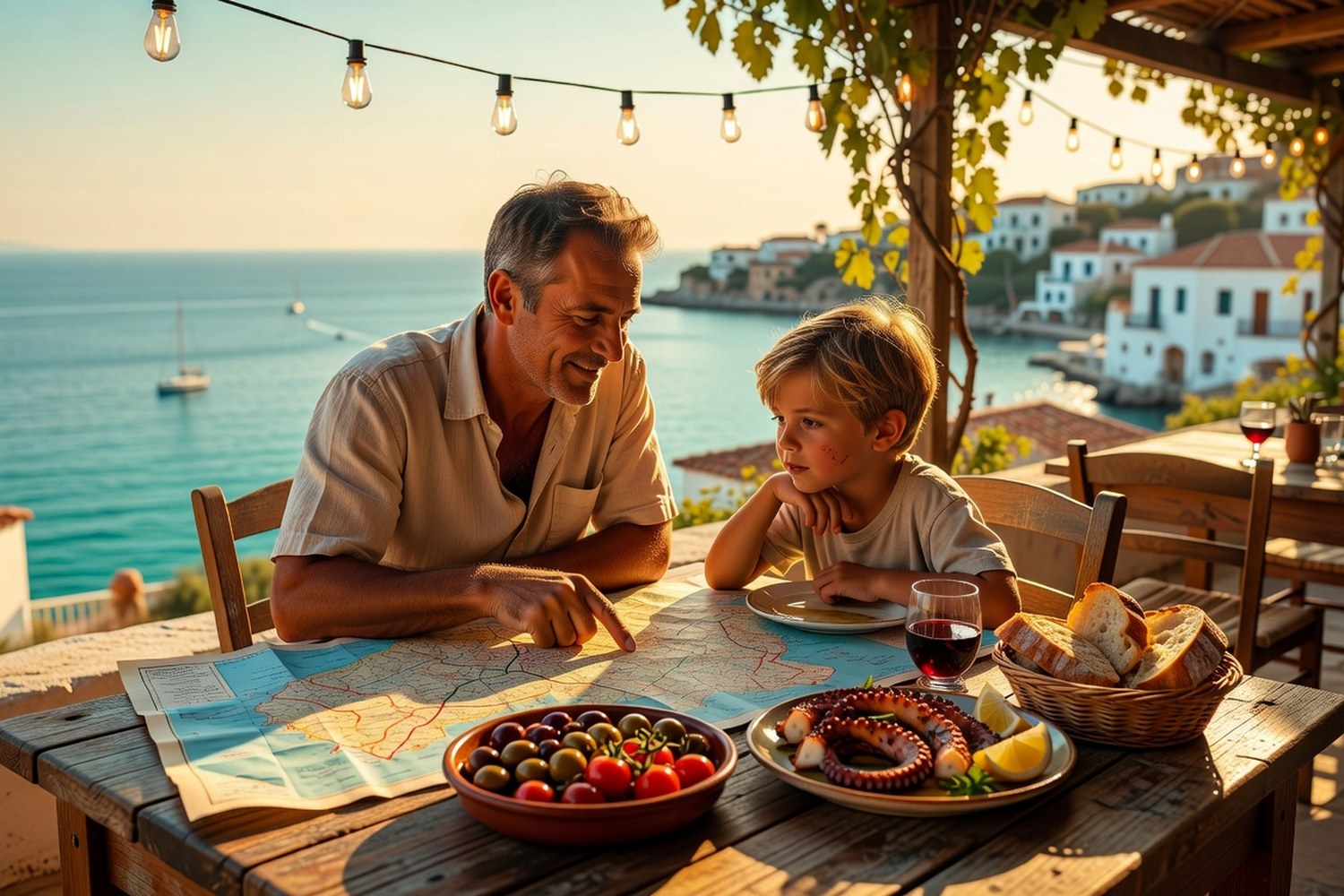
Vacation rentals solve this entirely. A two-bedroom apartment on Airbnb or VRBO typically costs the same as or less than a single hotel room, gives you a kitchen (cutting food costs dramatically), a washing machine (essential with kids), and enough space that nobody loses their mind by day three. In Lisbon, a central two-bedroom rental runs $80-120 per night. A comparable hotel room is $150-200, and you’d still need a second room.
The kitchen alone justifies the rental. Breakfast and lunch from a grocery store for a family of four costs $15-25 per day versus $60-80 eating out for both meals. Over a two-week trip, that’s roughly $500-700 in savings — nearly enough to cover an extra set of flights. We always eat breakfast at the rental, pack lunch for day trips, and eat dinner out as our one restaurant meal. It keeps food costs manageable while still getting the local dining experience.
If you do prefer hotels, look for suite-style properties and apart-hotels that include a kitchenette and separate sleeping areas. Chains like Residence Inn, Staybridge Suites, and local apart-hotel brands cater specifically to families and extended stays. Our guide to saving on flights and hotels covers booking strategies that work for both traditional hotels and vacation rentals.
Managing Daily Expenses with Kids Abroad
Daily spending is where family travel budgets quietly hemorrhage money. A $4 gelato for each person, four times. A souvenir at every stop. A taxi because the kids are melting down and you can’t face another bus. These micro-expenses add up to macro budget problems if you’re not paying attention.
Our approach: each kid gets a small daily “adventure fund” — usually the equivalent of $5-8 in local currency. They can spend it on whatever they want: a treat, a small toy, a postcard collection. When it’s gone, it’s gone. This teaches budgeting in real time (connecting to everything in our family money conversations guide) and eliminates the exhausting “can I have this?” negotiation at every shop and vendor stall.
For family activities, free and low-cost options abound in most international destinations. Parks, beaches, markets, street performances, cathedral visits, self-guided walking tours, and simply wandering interesting neighborhoods cost nothing. Museums frequently offer free or discounted entry for children under a certain age. Many European cities have family passes that bundle public transit and attraction entry at significant discounts — check the local tourism website before you arrive.
SIM cards or international phone plans are a small expense with outsized value. Navigation, translation apps, restaurant searches, and emergency calls all require data. A local SIM card costs $10-20 in most countries and works far better than expensive international roaming. For tracking all these daily expenses as they happen, the expense tracking apps we reviewed work internationally as long as you have data.
💡 Pro Tip
Get a credit card with no foreign transaction fees before your trip. The standard 3% foreign transaction fee on a $3,000 trip costs you $90 for nothing. Chase Sapphire, Capital One Venture, and most travel cards waive this fee entirely.
Passports, Insurance, and the Logistics Parents Forget
Start with passports — and start early. Children need their own passports for international travel. First-time applications for minors require both parents to be present at a passport acceptance facility with the child, which rules out doing it by mail. Processing takes 6-8 weeks for standard service. Expedited costs $60 extra and takes 2-3 weeks. If your trip is in six months, start the passport process now. Seriously — this is the single most common thing families leave too late, and there’s no workaround when it’s ten days before departure and the passports haven’t arrived.
Children’s passports are valid for only five years, not ten like adult passports. Check the expiration date if your kid already has one — many countries require at least six months of validity remaining beyond your travel dates. A passport that expires two months after your trip might actually be invalid for entry.
Travel health insurance is non-negotiable for family trips. Your domestic health insurance almost certainly doesn’t cover anything overseas, or covers it at catastrophically high out-of-network rates. A dedicated travel insurance policy for a family of four typically costs $100-200 for a two-week trip and covers emergency medical care, trip cancellation, lost luggage, and evacuation. Companies like World Nomads, Allianz, and Seven Corners all offer family plans. Our hidden costs of travel guide covers insurance in detail and explains exactly what to look for in a policy.
The State Department’s traveling with minors page has essential information about documentation requirements. If only one parent is traveling with the children, many countries require a notarized consent letter from the other parent. Without it, you can be denied boarding or turned away at the border.
Pack a small first-aid kit with children’s pain reliever, fever reducer, bandages, antihistamine, and any prescription medications. Pharmacies exist everywhere, but finding children’s specific formulations while navigating a foreign language at midnight with a feverish child is a stress you can avoid entirely with ten minutes of preparation.
Keeping Everyone Sane: Pacing, Expectations, and Flexibility
The number one mistake I see families make on international trips is trying to do too much. You’re not filming a travel show. You’re on vacation with small humans who have short legs, limited attention spans, and intense feelings about missing their afternoon snack.
Plan no more than one or two structured activities per day, with long gaps between them for wandering, playing, eating, and resting. A family that visits two museums, a castle, a market, and a cooking class before 4pm is a family having meltdowns at dinner. A family that visits the morning market, spends the afternoon at the hotel pool, and walks to a neighborhood restaurant for dinner is a family making memories.
Build in at least one full “slow day” per week where you have zero plans. Let the kids decide what happens. Maybe it’s the beach. Maybe it’s the park across from your rental. Maybe it’s watching cartoons in a foreign language while you drink coffee on the balcony. These unstructured days are when the best moments happen — the conversations, the discoveries, the inside jokes that become family lore.
Jet lag with kids is real and deserves respect. Plan your first day at the destination as a write-off. No museum visits, no reservations, no time-sensitive anything. Walk the neighborhood, find a grocery store, eat early, sleep early. By day two or three, most kids adjust surprisingly fast — faster than adults, actually.
And finally — this is the advice I most wish someone had given me — lower your expectations for how “cultural” the trip will be. Your eight-year-old does not care about the architectural significance of the cathedral. They care about the pigeons outside the cathedral. Let them have the pigeons. The architecture will mean something to them in fifteen years when they remember being there. Forcing sophisticated experiences on kids who aren’t ready creates resentment, not enrichment.
International family travel is an investment in your kids and in your family’s bond. It doesn’t require a huge budget — it requires planning, flexibility, and the willingness to let a trip be messy and imperfect. The perfect family vacation doesn’t exist. The one where everyone laughs about getting lost and accidentally ordering octopus for a five-year-old? That’s the one they’ll want to repeat every year. For more strategies on managing the financial side of family decisions, our budget planning guide applies the same principles to another major family expense.
References
- Family Travel Association. “Research on Family Travel Benefits.” https://www.familytravelassociation.com
- Bureau of Transportation Statistics. “Annual US Domestic Average Itinerary Fare.” https://www.bts.gov
- U.S. State Department. “Traveling with Minors.” https://travel.state.gov
Keep Reading
If you found this guide helpful, check out these related articles: