
Managing money used to mean sitting down with a calculator, receipts, and a ledger book. Today’s digital landscape has transformed personal finance into something far more accessible and intuitive. Modern online tools leverage automation, artificial intelligence, and real-time data to help you understand where your money goes and how to make it work harder.
For millennials juggling student loans, retirement planning, and everyday expenses, these digital solutions offer a lifeline to financial wellness. The shift from manual tracking to smart automation isn’t just convenient—it’s revolutionizing how an entire generation approaches money management.
Why Digital Tools Beat Spreadsheets for Budgeting
Spreadsheets served us well for decades. They offered flexibility and customization that felt empowering. However, they require constant manual updates, formula maintenance, and discipline that most of us struggle to sustain long-term. The moment you forget to log a transaction or miscategorize an expense, your entire budget becomes unreliable.
Digital budgeting tools eliminate these friction points through automatic bank connections. Apps like Mint, YNAB (You Need A Budget), and PocketGuard sync directly with your checking accounts, credit cards, and investment platforms. They pull transaction data in real-time, categorize expenses automatically, and update your budget without you lifting a finger. This automation means you’re working with accurate, current information rather than week-old data you manually entered. The difference becomes especially apparent when you’re tracking multiple accounts across different financial institutions.
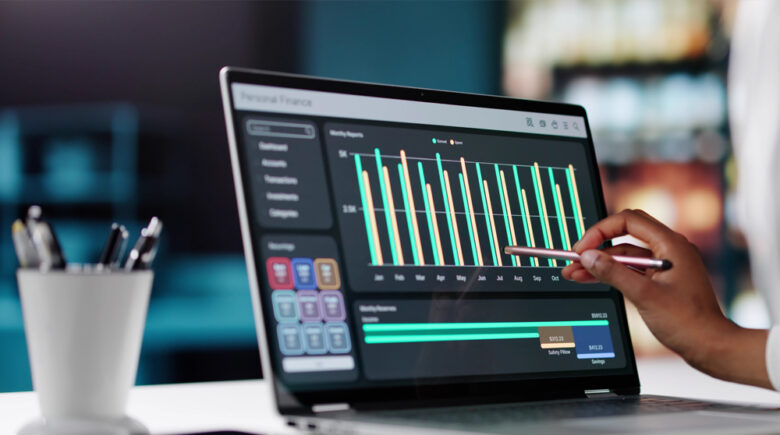
Beyond automation, modern budgeting platforms offer visualization features that spreadsheets can’t match without significant effort. Interactive charts, spending trends, and progress bars make financial data digestible at a glance. You can see exactly how much of your dining budget you’ve used this month or whether you’re on track to meet your savings goals. These visual cues trigger behavioral changes that raw numbers in cells simply don’t. According to research from the Financial Health Network, users of automated budgeting tools are 2.5 times more likely to stick to their financial plans compared to those using manual methods.
The Security Advantage of Modern Platforms
Security concerns often make people hesitant about connecting bank accounts to third-party apps. This worry is understandable but somewhat outdated. Reputable budgeting platforms use bank-level encryption and read-only access to your financial data. They can see your transactions but cannot move money or make changes to your accounts.
The Consumer Financial Protection Bureau has established clear guidelines for financial data aggregators. These regulations ensure that companies handling your financial information maintain strict security protocols. Many budgeting apps actually offer better security than your personal spreadsheet stored in cloud storage or on your laptop. Two-factor authentication, biometric login, and automatic logout features provide layers of protection that Excel files simply don’t have.
Additionally, these platforms continuously monitor for suspicious activity. If someone gains unauthorized access to your budgeting app, you’ll receive immediate alerts. This real-time monitoring adds an extra safety net to your financial ecosystem. Traditional spreadsheets offer none of these protections, making them potentially more vulnerable to data breaches or simple loss through device failure.
How AI-Powered Apps Track Your Spending Habits
Artificial intelligence has moved beyond science fiction into your smartphone. AI-powered financial apps analyze your spending patterns to provide insights you might never discover on your own. These tools examine thousands of transactions to identify trends, predict future expenses, and flag unusual activity that could indicate fraud or budget overruns.
Apps like Cleo and Trim use machine learning algorithms to understand your financial behavior. They recognize that you typically spend more on groceries at the beginning of the month or that your utility bills spike during summer. This pattern recognition allows them to provide personalized recommendations and warnings. When you’re about to exceed your normal spending in a category, the app alerts you before it becomes a problem. This proactive approach helps you course-correct in real-time rather than discovering budget issues after the fact.
The predictive capabilities of AI extend to bill negotiation and subscription management. Apps like Rocket Money scan your transactions for recurring charges and identify subscriptions you might have forgotten. They can even negotiate lower rates on your cable, internet, or phone bills automatically. This technology essentially acts as a personal financial assistant, working continuously to optimize your expenses. NerdWallet reports that the average American wastes $348 annually on forgotten subscriptions—money that AI-powered apps can help you reclaim.
Personalized Financial Coaching at Scale

Traditional financial advisors charge hundreds or thousands of dollars for personalized advice. AI-powered apps democratize this expertise by offering customized guidance at a fraction of the cost. These digital coaches analyze your complete financial picture and provide recommendations tailored to your specific situation and goals.
Apps like Albert and Qapital use AI to determine how much you can safely save without impacting your daily life. They analyze your income patterns, bill schedules, and spending habits to transfer small amounts to savings automatically. This “set it and forget it” approach removes the willpower equation from saving money. The AI constantly recalculates based on your current financial situation, ensuring you never overdraft while still building your emergency fund.
The conversational interfaces of these apps make financial advice feel accessible rather than intimidating. You can ask questions in plain English and receive straightforward answers based on your actual data. This removes the shame or embarrassment some people feel about their financial literacy gaps. The technology meets you where you are, providing education and actionable steps without judgment. As fintech continues evolving, these AI capabilities will only become more sophisticated and personalized.
Integration with the Broader Financial Ecosystem
Modern money management tools don’t exist in isolation. They integrate with your entire financial life, from banking apps to investment platforms to tax preparation software. This interconnectedness creates a comprehensive view of your financial health that was impossible just a few years ago.
Many banks now offer APIs that allow third-party apps to access your data securely. This regulatory push toward open banking means your budgeting app can communicate directly with your bank’s systems. The result is faster updates, better security, and more accurate categorization. Some banks have even built their own AI-powered budgeting features directly into their mobile apps, recognizing that customers demand these capabilities.
Tax season becomes significantly less stressful when your budgeting app integrates with platforms like TurboTax or H&R Block. Your categorized expenses automatically flow into the right tax forms, reducing manual data entry and minimizing errors. For freelancers and gig workers, this integration proves invaluable for tracking deductible expenses throughout the year. The time saved alone justifies the minimal cost of most budgeting subscriptions.
The digital transformation of personal finance has made money management more accessible than ever before. Online tools eliminate the tedious manual work that caused so many budgets to fail in the past. AI-powered insights provide the kind of personalized guidance that once required expensive financial advisors. For millennials navigating complex financial landscapes, these technologies offer practical solutions to real challenges. The key is finding the right combination of tools that match your specific needs and financial goals. Start with one platform, explore its features, and gradually build your digital finance toolkit. Your future self will thank you for embracing these innovations today.
References
- NerdWallet – “Best Budgeting Apps” – https://www.nerdwallet.com/best/banking/budgeting-apps
- Consumer Financial Protection Bureau – “Consumer Access to Financial Records” – https://www.consumerfinance.gov/consumer-tools/bank-accounts/
- Financial Health Network – “U.S. Financial Health Pulse: 2023 Trends Report” – https://finhealthnetwork.org/research/u-s-financial-health-pulse-2023-trends-report/
Managing money used to mean sitting down with a calculator, receipts, and a ledger book. Today’s digital landscape has transformed personal finance into something far more accessible and intuitive. Modern online tools leverage automation, artificial intelligence, and real-time data to help you understand where your money goes and how to make it work harder.
For millennials juggling student loans, retirement planning, and everyday expenses, these digital solutions offer a lifeline to financial wellness. The shift from manual tracking to smart automation isn’t just convenient—it’s revolutionizing how an entire generation approaches money management.
Why Digital Tools Beat Spreadsheets for Budgeting
Spreadsheets served us well for decades. They offered flexibility and customization that felt empowering. However, they require constant manual updates, formula maintenance, and discipline that most of us struggle to sustain long-term. The moment you forget to log a transaction or miscategorize an expense, your entire budget becomes unreliable.
Digital budgeting tools eliminate these friction points through automatic bank connections. Apps like Mint, YNAB (You Need A Budget), and PocketGuard sync directly with your checking accounts, credit cards, and investment platforms. They pull transaction data in real-time, categorize expenses automatically, and update your budget without you lifting a finger. This automation means you’re working with accurate, current information rather than week-old data you manually entered. The difference becomes especially apparent when you’re tracking multiple accounts across different financial institutions.
Beyond automation, modern budgeting platforms offer visualization features that spreadsheets can’t match without significant effort. Interactive charts, spending trends, and progress bars make financial data digestible at a glance. You can see exactly how much of your dining budget you’ve used this month or whether you’re on track to meet your savings goals. These visual cues trigger behavioral changes that raw numbers in cells simply don’t. According to research from the Financial Health Network, users of automated budgeting tools are 2.5 times more likely to stick to their financial plans compared to those using manual methods.
The Security Advantage of Modern Platforms
Security concerns often make people hesitant about connecting bank accounts to third-party apps. This worry is understandable but somewhat outdated. Reputable budgeting platforms use bank-level encryption and read-only access to your financial data. They can see your transactions but cannot move money or make changes to your accounts.
The Consumer Financial Protection Bureau has established clear guidelines for financial data aggregators. These regulations ensure that companies handling your financial information maintain strict security protocols. Many budgeting apps actually offer better security than your personal spreadsheet stored in cloud storage or on your laptop. Two-factor authentication, biometric login, and automatic logout features provide layers of protection that Excel files simply don’t have.
Additionally, these platforms continuously monitor for suspicious activity. If someone gains unauthorized access to your budgeting app, you’ll receive immediate alerts. This real-time monitoring adds an extra safety net to your financial ecosystem. Traditional spreadsheets offer none of these protections, making them potentially more vulnerable to data breaches or simple loss through device failure.
How AI-Powered Apps Track Your Spending Habits
Artificial intelligence has moved beyond science fiction into your smartphone. AI-powered financial apps analyze your spending patterns to provide insights you might never discover on your own. These tools examine thousands of transactions to identify trends, predict future expenses, and flag unusual activity that could indicate fraud or budget overruns.
Apps like Cleo and Trim use machine learning algorithms to understand your financial behavior. They recognize that you typically spend more on groceries at the beginning of the month or that your utility bills spike during summer. This pattern recognition allows them to provide personalized recommendations and warnings. When you’re about to exceed your normal spending in a category, the app alerts you before it becomes a problem. This proactive approach helps you course-correct in real-time rather than discovering budget issues after the fact.
The predictive capabilities of AI extend to bill negotiation and subscription management. Apps like Rocket Money scan your transactions for recurring charges and identify subscriptions you might have forgotten. They can even negotiate lower rates on your cable, internet, or phone bills automatically. This technology essentially acts as a personal financial assistant, working continuously to optimize your expenses. NerdWallet reports that the average American wastes $348 annually on forgotten subscriptions—money that AI-powered apps can help you reclaim.
Personalized Financial Coaching at Scale
Traditional financial advisors charge hundreds or thousands of dollars for personalized advice. AI-powered apps democratize this expertise by offering customized guidance at a fraction of the cost. These digital coaches analyze your complete financial picture and provide recommendations tailored to your specific situation and goals.
Apps like Albert and Qapital use AI to determine how much you can safely save without impacting your daily life. They analyze your income patterns, bill schedules, and spending habits to transfer small amounts to savings automatically. This “set it and forget it” approach removes the willpower equation from saving money. The AI constantly recalculates based on your current financial situation, ensuring you never overdraft while still building your emergency fund.
The conversational interfaces of these apps make financial advice feel accessible rather than intimidating. You can ask questions in plain English and receive straightforward answers based on your actual data. This removes the shame or embarrassment some people feel about their financial literacy gaps. The technology meets you where you are, providing education and actionable steps without judgment. As fintech continues evolving, these AI capabilities will only become more sophisticated and personalized.
Integration with the Broader Financial Ecosystem
Modern money management tools don’t exist in isolation. They integrate with your entire financial life, from banking apps to investment platforms to tax preparation software. This interconnectedness creates a comprehensive view of your financial health that was impossible just a few years ago.
Many banks now offer APIs that allow third-party apps to access your data securely. This regulatory push toward open banking means your budgeting app can communicate directly with your bank’s systems. The result is faster updates, better security, and more accurate categorization. Some banks have even built their own AI-powered budgeting features directly into their mobile apps, recognizing that customers demand these capabilities.
Tax season becomes significantly less stressful when your budgeting app integrates with platforms like TurboTax or H&R Block. Your categorized expenses automatically flow into the right tax forms, reducing manual data entry and minimizing errors. For freelancers and gig workers, this integration proves invaluable for tracking deductible expenses throughout the year. The time saved alone justifies the minimal cost of most budgeting subscriptions.
The digital transformation of personal finance has made money management more accessible than ever before. Online tools eliminate the tedious manual work that caused so many budgets to fail in the past. AI-powered insights provide the kind of personalized guidance that once required expensive financial advisors. For millennials navigating complex financial landscapes, these technologies offer practical solutions to real challenges. The key is finding the right combination of tools that match your specific needs and financial goals. Start with one platform, explore its features, and gradually build your digital finance toolkit. Your future self will thank you for embracing these innovations today.
References
- NerdWallet – “Best Budgeting Apps” – https://www.nerdwallet.com/best/banking/budgeting-apps
- Consumer Financial Protection Bureau – “Consumer Access to Financial Records” – https://www.consumerfinance.gov/consumer-tools/bank-accounts/
- Financial Health Network – “U.S. Financial Health Pulse: 2023 Trends Report” – https://finhealthnetwork.org/research/u-s-financial-health-pulse-2023-trends-report/







)