Fact-checked by the ZeroinDaily editorial team
Quick Answer
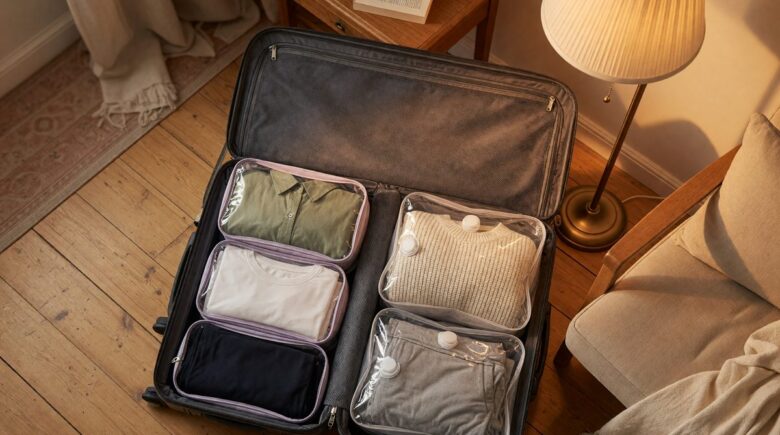
Packing cubes organize but don’t truly compress. Dedicated compression bags can reduce clothing volume by roughly 20–30% in real-world tests, while hybrid compression cubes trim stack height by 1–2 inches per cube. For the best space savings without sacrificing accessibility, compression cubes or a strategic combo usually win.
I once watched a traveler at the gate struggle to close a bag stuffed with plastic compression sacks. She’d crushed every shirt into a flat disc, but after a TSA check, nothing fit the way it had before. That scene captures the heart of packing cubes vs compression bags. It’s not just a math problem of cubic inches; it’s about how your gear behaves from the moment you zip your bag to the first time you unpack in a dimly lit hostel.
The debate has sharpened lately as airlines tighten carry-on rules and more travelers adopt digital-nomad setups that mix tech with clothing. A carry-on-only strategy saves time and checked-bag fees, but the margin for error is slim. Understanding exactly how each tool compresses, organizes, and protects your stuff, and recognizing the trade-offs, can be the difference between a calm trip and a gate-check meltdown. This guide walks through the real-world performance of cubes, compression bags, and the growing lineup of hybrids, with comparisons drawn from dozens of traveler tests rather than spec sheets alone.
What you choose depends on your packing style and how you access your kit. By the end, you’ll know when to grab a simple zippered cube, when to reach for a roll-top compression sack, and when a hybrid system earns its higher price.
Key Takeaways
- Standard packing cubes add less than 2 inches of bulk reduction; their main value is organization, not space saving, according to Carryology’s side-by-side tests.
- Compression cubes with secondary zippers reduce clothing stack height by 1–2 inches per cube, often enough to keep a week’s load inside a carry-on.
- Plastic compression bags can compress clothes by 20–30% more than cubes but increase wrinkle risk and may trigger TSA inspections, per the Transportation Security Administration.
- Hybrid compression cubes from brands like Eagle Creek and Thule add 50–150 grams per cube due to extra zippers and fabric, yet a full set can make the difference between a checked bag and a carry-on.
- Travelers who tested both systems consistently report that repeated maximum compression on sweaters and jackets produces more wrinkles than structured rolling inside non-compression cubes.
- Packing cubes designed for tech gear, with integrated cable loops, padded dividers, or RFID pockets, provide protection that plastic compression bags cannot match.
In This Guide
- How Packing Cubes and Compression Bags Actually Work
- Real-World Space Savings: What the Tests Show
- Organization vs. Compression: The Trade-Offs for Carry-On Travel
- Which Method Protects Clothes and Tech Fabrics Better?
- Weight and Durability: Do Compression Cubes Add Too Much Bulk?
- Best Packing Systems for Digital Nomads and Tech-Heavy Travelers
- Cost, Value, and Smart Hybrid Choices
Step 1: How Packing Cubes and Compression Bags Actually Work
A standard packing cube is a rectangular fabric box with a single zipper. It holds clothes in a fixed shape but does not squeeze them. Compression cubes add a second zipper that pulls the lid down tighter, reducing the height of the packed contents. Compression bags, whether roll-top dry sacks or vacuum-seal plastic bags, work by physically evacuating air from the inside so the fabric itself takes up less room.
The underlying material matters more than you might expect. Most good cubes use ripstop nylon or polyester for tear resistance, and the better ones feature YKK zippers that withstand repeated stress. Compression bags, especially the plastic vacuum variety, rely on airtight seals and one-way valves. When the seal holds, they can shrink a puffy jacket into a fraction of its normal size. But once you open them, that volume returns instantly, you can’t simply unzip and grab a shirt without breaking the seal.
Vacuum-sealed bags can trigger extra screening at security. The TSA permits them but warns that if a bag alarms, an officer may need to open it for inspection, potentially breaking the vacuum and leaving you with a loose pile of clothes.
How to Do This
When selecting a cube or bag, start with the closure mechanism. Look for a smooth-gliding YKK zipper on any cube you plan to open and close daily. For compression bags, decide between roll-top (common on dry sacks) and zip-plus-squeeze (vacuum). Roll-tops are faster to close and reopen. Vacuum bags need you to sit or kneel on them to push air out, which is less convenient if you’re repacking in a hurry. In practice, roll-top compression bags survive more open-close cycles without seal failure.
What to Watch Out For
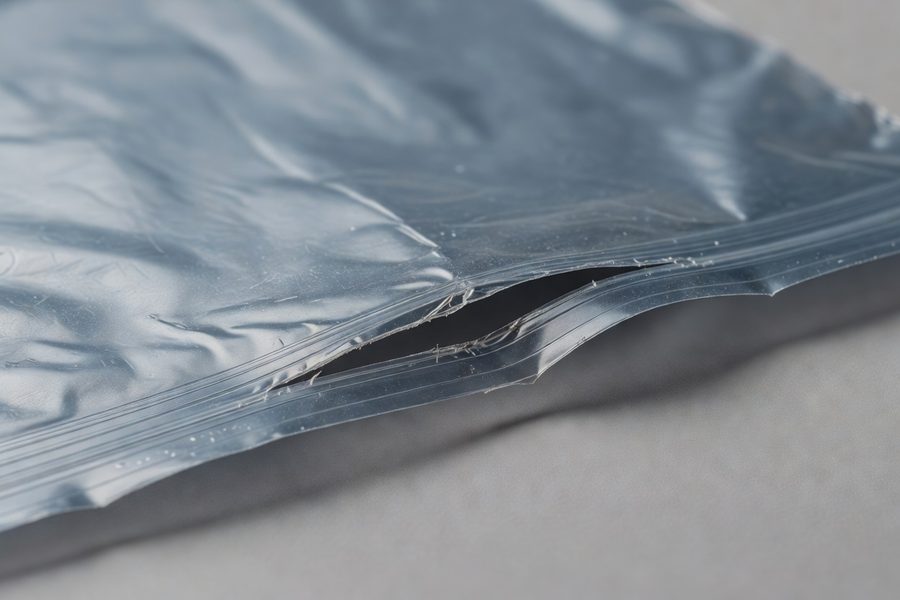
Cheap compression bags often fail at the seams. The airtight strip can separate from the plastic after just a few trips, leaving you with a balloon instead of a compressed bundle. On the cube side, avoid super-lightweight fabrics that turn transparent when stretched; those rip easily along the zipper tape. The added weight of a reinforced cube, roughly 50–100 grams, pays for itself in durability on a multi-city itinerary.
Step 2: Real-World Space Savings: What the Tests Show
When reviewers pack the exact same 10-item clothing load into different systems, pure compression bags consistently deliver the biggest raw reduction. In carry-on-focused tests published on travel-gear sites, roll-top bags compressed a set of tees, pants, and a mid-layer by roughly 20–30% in total stack thickness compared to a standard packing cube. Compression cubes, the ones with a secondary compression zipper, fell in the middle, typically shaving 1–2 inches off the height of each packed cube.
That may sound small, but on a 20-inch carry-on with three stacked cubes, dropping 1 inch per cube can free enough vertical space for a pair of running shoes or a toiletry kit. A digital nomad who swaps a bulky jacket for a thinner layer can push those gains further. The key insight from repeat testing: standard cubes are essentially volume-neutral. They don’t squander space, but they don’t create more of it either.
Compression cubes reduce packed height by 1–2 inches per cube compared to non-compression cubes, based on identical loads measured across multiple traveler tests.
How to Do This
Test your own load at home. Pack a week’s clothes into three standard cubes, then transfer the same items into compression cubes or a roll-top bag. Measure the total height of the stack before and after. Most people find that compression cubes let them fit everything into a carry-on that would otherwise require expansion zippers. If you’re aiming for a strict personal-item-only bag, however, a roll-top compression sack on the bulkiest layer, like a fleece or sweater, provides the most aggressive compression.
What to Watch Out For
Compression works best on soft, air-filled fabrics. Denim, thick canvas, and heavily structured garments resist compression and may even stress zippers when forced. Overstuffing a compression cube to the point where it bulges around the zipper also reduces its effectiveness. The cube needs a little slack to pull tight evenly.
Step 3: Organization vs. Compression: The Trade-Offs for Carry-On Travel
Packing cubes excel at keeping categories separate, shirts in one, pants in another, tech accessories in a third. Compression bags, on the other hand, tend to morph into dense, rounded bricks that shift inside luggage and turn finding a specific sock into a full excavation. For carry-on travelers who need to open their bag at security or grab a laptop mid-flight, cubes offer a clear advantage: you can unzip one cube without disturbing everything else.
That accessibility becomes even more critical when you consider TSA screening. A bag full of plastic compression sacks looks chaotic on an X-ray. If an officer needs to inspect one, they’ll likely pull out multiple bags, because it’s hard to tell which one holds the offending object. With cubes, you can direct them straight to the electronics cube. The TSA itself notes that vacuum-sealed clothes bags are allowed but “not encouraged”, a diplomatic way of warning you that they slow everything down.
Vacuum-sealed clothes bags are allowed but not encouraged; if they alarm, the TSA officer may need to open them for inspection.
How to Do This
Use a color-coded cube system: designate one color for tops, another for bottoms, and a third for underwear and socks. This lets you unzip the right cube by sight alone. For compression bags, implement a bag-inside-bag strategy: place the compression bag inside a larger packing cube so that when you release the compression, the cube still contains the loose clothes. It’s an extra layer but keeps your luggage interior from becoming a fabric avalanche.
What to Watch Out For
Over-organizing can backfire. If you pack so many cubes that they fill the bag like Tetris blocks, you lose the flexibility to stuff a jacket or shopping find into the gaps. Leave about 15–20% of the bag empty to accommodate irregular items. Cubes are tools, not mandates, one of the best travel strategies is simply traveling more often without overspending, which teaches you to pack lighter each time.
| Feature | Standard Packing Cube | Compression Cube | Compression Bag (Roll-Top) |
|---|---|---|---|
| Volume Reduction | Negligible | 1–2 inches per cube | 20–30% of original stack |
| Item Accessibility | Excellent | Good (unzip top layer) | Poor (must open fully) |
| Wrinkle Risk | Low (if rolled) | Moderate | High on bulky fabrics |
| Weight Added | 50–80g | 80–150g | 30–100g (plastic thinner) |
| Durability (50+ trips) | High (if YKK zippers) | High (if reinforced seams) | Moderate (seal may fail) |
Step 4: Which Method Protects Clothes and Tech Fabrics Better?
Wrinkle performance divides cleanly along fabric type. Lightweight synthetics and merino wool handle compression well, bouncing back with minimal creasing. Cotton button-downs and linen, however, emerge from a compression bag looking like a crumpled map. In testing, structured rolling inside a non-compression cube kept dress shirts visibly smoother than flat-folding inside a compression sack. The reason: compression creates sharp, random fold lines; rolling distributes stress across the fabric’s surface.
For tech clothing, waterproof shells, softshell jackets, insulated mid-layers, the story shifts. Prolonged compression in a vacuum bag can deform synthetic insulation over time, slightly reducing loft. Most travel-gear experts recommend storing insulated pieces in a roomy cube and only compressing base layers. Performance fabrics with DWR coatings also benefit from a cube’s looser fit, which prevents the coating from cracking along crease lines.
Roll clothes with tissue paper or a dryer sheet inside a cube to further cut wrinkles and keep items smelling fresh. The paper acts as a buffer against sharp creases.
How to Do This
For business travel with a blazer or dress shirts, use a dedicated garment folder cube rather than either compression style. These cubes have a rigid panel that holds shirts flat; you slide the entire folder into your bag like a slim briefcase. Pair that with a small compression cube for socks and underwear, those items don’t wrinkle, and you get the best of both worlds.
What to Watch Out For
Avoid vacuum-compressing anything with taped seams (like waterproof jackets) repeatedly. The stress can weaken the tape, causing delamination after a season of heavy travel. If you must compress a shell, use a gentle roll-top bag and stop before the fabric turns rigid. The same caution applies to electronics: when packing a power bank or external drive, use a padded cube rather than squeezing them into a compression pocket, a cracked screen from pressure is not worth the 2 centimeters saved.
Step 5: Weight and Durability: Do Compression Cubes Add Too Much Bulk?
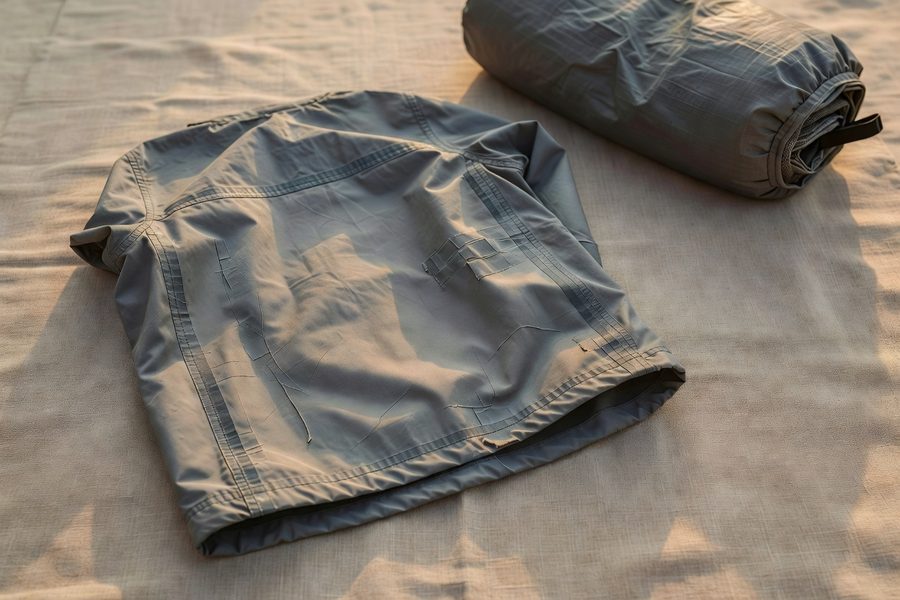
The extra zipper and heavier fabric on a compression cube add weight, usually 50 to 150 grams per cube. A set of three large compression cubes can contribute nearly half a pound to your bag before you’ve packed anything. For ultralight backpackers counting ounces, that’s a real penalty. For the rest of us, the trade is worth it: that half-pound difference can eliminate the need for a checked bag, which on a round-trip flight often saves far more than the weight in nuisance and fees.
Some budget compression cubes use thin fabric that pills or wears through at the corners after a dozen trips. Inspect the stitching where the compression zipper attaches; that’s where failures start.
How to Do This
Prioritize cubes with YKK zippers and bound internal seams. Check traveler reviews that mention “50 trips and still working” rather than unboxing impressions. The weight saved by choosing ultralight fabric rarely justifies the durability hit if you travel more than a few times a year.
Step 6: Best Packing Systems for Digital Nomads and Tech-Heavy Travelers
A digital nomad carries a laptop, tablet, cables, power adapters, possibly a portable monitor, plus a week’s clothing, all in a single bag that must pass as a carry-on. Compression bags, especially the plastic variety, offer no protection for tech and make a mess of accessory organization. Packing cubes designed with dedicated pockets for cables, padded compartments for hard drives, and RFID-blocking sleeves solve multiple problems at once.
Look for cubes that include a separate waterproof pocket for toiletries or damp gear, and a clear window mesh so you can see inside without unzipping. Some newer models integrate a pass-through for charging cables, letting you charge a battery bank while it stays inside the cube. These details matter more than raw compression when you’re working from a coffee shop in Chiang Mai and need to retrieve a mouse or adapter without upending your entire bag.
Dedicate one small compression cube to emergency “one-night” items, underwear, tee, charging cable, toothbrush. On a solo budget trip, that cube becomes your grab-and-go kit if you arrive late or need to change accommodations quickly.
How to Do This
Assign one tech cube for all non-clothing items. Use a compression cube for base layers and a standard cube for pants and jackets. This hybrid approach keeps pressure off your expensive gear while still reclaiming space in the main compartment. Integration with modular luggage clamshells, where cubes lock into the bag’s dividers, works especially well; the bag itself becomes part of the organization system.
What to Watch Out For
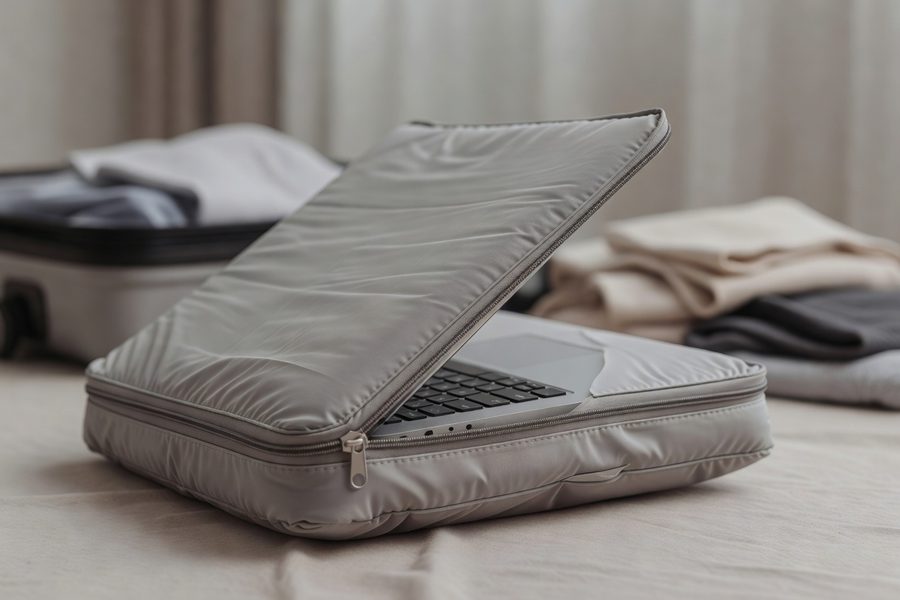
Not all tech cubes play nicely with compression. If a cube has a padded laptop sleeve, forcing it into a tight bag’s compression zone can press the screen against the keyboard, risking pressure damage. Store laptops and tablets in the dedicated device panel of your backpack, not inside a cube being squashed from all sides.
Step 7: Cost, Value, and Smart Hybrid Choices
A quality compression cube set from Eagle Creek or Thule costs $35–$55, while a basic three-pack of plastic compression bags runs $8–$15. The price gap looks wide, but amortized over three years of regular travel, the difference per trip is negligible. More importantly, the fabric cubes last far longer and don’t generate the kind of plastic waste that accumulates when a vacuum bag splits mid-journey.
Hybrid setups deliver the best value. Pair one large roll-top compression bag (for the bulkiest layer) with a set of two or three compression cubes. This covers the most space-hungry item while preserving easy access for daily essentials. For travelers who want to stretch every dollar, saving on flights and hotels frees up budget for gear that eliminates bag-check fees trip after trip.
Some brands now use recycled ripstop nylon in their compression cubes, cutting the environmental footprint without sacrificing durability. If sustainability matters to you, look for the “bluesign” or “recycled” label on the product page.
How to Do This
Start with one compression cube in the size you use most (typically medium). Compare your packed bag’s free space before and after. If you like the result, add a second cube and a roll-top for the bulkiest item. There’s no need to replace every cube at once, gradual upgrading keeps cost low and lets you dial in the exact combination that matches your packing style.
What to Watch Out For
“Compression” on a product name isn’t a guarantee. Some cubes labeled as compression-only have a thin mesh panel and a single zipper; they look the part but don’t actually reduce volume. Read the specs: a true compression cube will mention a secondary zipper or strap system that crushes the contents. Avoid models where the compression feature is essentially a cosmetic panel that flexes but doesn’t pull the load tight.
Frequently Asked Questions
Can I combine packing cubes and compression bags for the best results?
Yes, a hybrid strategy often works better than going all-in on one system. Use a large roll-top compression bag for your bulkiest item, like a fleece or puffy jacket, and pack everything else in color-coded compression cubes. This gives you maximum compression where it counts and easy access to the clothes you need daily.
Are cheap compression bags as effective as branded ones like Eagle Creek or Peak Design?
They can be on the first trip, but the seals and seams on budget plastic bags degrade faster. Branded fabric compression cubes use YKK zippers and reinforced stitching that survive frequent opening and closing. The long-term cost per use often tips in favor of paying more upfront for a durable set.
How do vacuum compression bags compare to zip-up compression cubes?
Vacuum bags remove the most air, great for winter jackets, but they’re awkward to repack once opened, because the seal relies on a one-way valve. Zip-up compression cubes compress via a second zipper around the perimeter, so you can reopen and close them repeatedly without losing all the compression. For most travelers, the cube’s convenience outweighs the vacuum bag’s raw space savings.
What’s the best way to organize electronics and cables with packing cubes?
A dedicated tech cube with elastic loops and a padded divider keeps cables, chargers, and portable drives sorted. Some models include a transparent pocket for quick airport security checks. Avoid cramming sharp-edged adapters against a laptop screen; store the laptop separately in the bag’s built-in sleeve and use the tech cube for accessories only.
Do packing cubes work with a backpack or only suitcases?
They work with both, but fit is critical. In a top-loading backpack, slim cubes slide in like drawers; in a clamshell-opening suitcase, they lay flat and mimic built-in shelves. Measure your bag’s interior dimensions before buying cubes to ensure they fill the space without wasting gaps.
How do I avoid wrinkles when using compression bags?
Rolling clothes instead of flat-folding reduces sharp crease lines, even inside a compression bag. For dress shirts, use a garment folder cube rather than a bag. If you must compress a wrinkle-prone item, add a layer of tissue paper between folds, and unpack it as soon as you arrive to let the fabric relax.
Are there smart packing cubes with tracking or RFID blocking?
Yes, a handful of brands have introduced cubes with RFID-blocking pockets for passports and cards, and some integrate Bluetooth trackers so you can locate your bag if it’s lost. These features add weight and cost, but for digital nomads carrying sensitive documents, the security boost justifies the premium, especially when slow travel means your bag is your office for weeks at a time.
How long do packing cubes and compression bags last with frequent travel?
A well-made compression cube with YKK zippers and ripstop nylon can handle 50+ trips before showing wear at the corners. Plastic compression bags typically fail earlier, with seal leaks or punctures often appearing after 10–15 uses. If you travel monthly, fabric cubes are the more reliable investment.