

Your credit score affects nearly every major financial decision you’ll make. From securing a mortgage to landing that dream apartment in the city, lenders and landlords use this three-digit number to judge your financial trustworthiness. The good news? You don’t need to be a financial expert to boost your score. Small, strategic changes can lead to significant improvements over time. Understanding how credit scoring works and taking proactive steps puts you in control of your financial future. Let’s explore two powerful strategies that can move your credit score in the right direction.
Check Your Credit Report for Errors Regularly
You have the legal right to access your credit report from all three major bureaus—Equifax, Experian, and TransUnion—once per year at no cost. The Fair Credit Reporting Act guarantees this access through AnnualCreditReport.com, the only federally authorized website for free reports. Many millennials don’t realize they can stagger these requests throughout the year. Pull one report every four months to monitor your credit consistently without spending a dime.
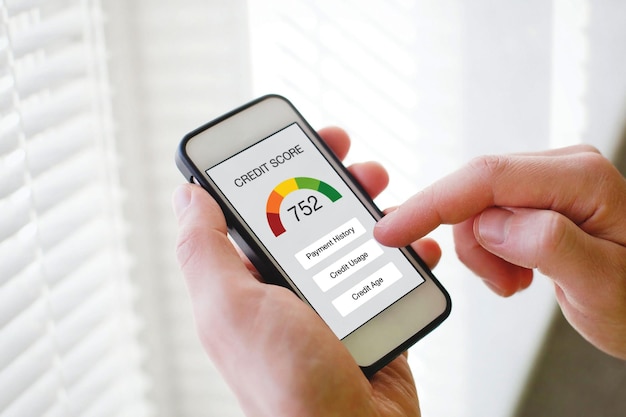
Digital transformation has made accessing credit information easier than ever before. Several fintech apps now offer free credit monitoring services with real-time alerts. Companies like Credit Karma and Credit Sesame provide weekly updates on your credit score and report changes. These tools democratize financial information that was once difficult to obtain. However, remember that these services show educational scores, which may differ slightly from the FICO scores lenders actually use.
The Consumer Financial Protection Bureau reports that one in five consumers has an error on at least one of their credit reports. These mistakes can drag down your score unfairly. Common errors include payments incorrectly marked as late, accounts that don’t belong to you, or outdated negative information that should have been removed. Regulatory oversight has improved, but the burden of catching these errors still falls on you. Regular monitoring helps you catch problems before they derail major financial goals.
How to Dispute Errors Effectively
Finding an error is just the first step. You need to dispute it properly to get results. Start by documenting everything with screenshots and written records. Contact the credit bureau reporting the error in writing, clearly identifying each mistake. Include copies of supporting documents that prove your case, such as payment confirmations or account statements.
The credit bureau must investigate your dispute within 30 days under federal law. They’ll contact the creditor who reported the information and ask them to verify it. If the creditor can’t verify the information or doesn’t respond, the bureau must remove the error from your report. This process has become more streamlined with online dispute portals offered by all three major bureaus.
Don’t stop at just one bureau if the error appears on multiple reports. Each credit bureau operates independently with its own database. An error corrected at Equifax might still appear at Experian or TransUnion. You’ll need to file separate disputes with each bureau showing the mistake. This redundancy frustrates consumers, but regulatory changes continue pushing for better data integration and accuracy across the industry.
Pay Down High Credit Card Balances Strategically
Your credit utilization ratio accounts for about 30% of your FICO score calculation. This ratio measures how much credit you’re using compared to your total available credit. Experts recommend keeping your utilization below 30% on each card and across all cards combined. However, those with excellent credit scores typically maintain utilization below 10%.
The relationship between consumers and credit card companies has evolved significantly with digital banking. You can now track your utilization in real-time through mobile apps instead of waiting for monthly statements. This transparency helps you make informed spending decisions throughout the billing cycle. Some fintech solutions even send alerts when you approach certain utilization thresholds, helping you stay within optimal ranges.
Credit scoring models look at both your overall utilization and per-card utilization. Maxing out one card hurts your score even if your total utilization across all cards seems reasonable. This detail surprises many people. Strategic balance management across multiple cards becomes crucial for score optimization. Consider spreading balances across cards rather than loading up a single card, though paying down debt entirely remains the best approach.
Strategic Payment Timing and Methods

Most people don’t realize that credit card companies report your balance to credit bureaus on a specific date each month, usually your statement closing date. Your balance on that date determines the utilization ratio that appears on your credit report. You could pay your balance in full every month and still show high utilization if you make large purchases right before your statement closes.
Smart timing can dramatically improve your reported utilization. Make payments before your statement closing date to reduce the balance that gets reported. Some people make multiple payments throughout the month to keep their reported balance low. This strategy works particularly well if you put regular expenses on credit cards for rewards but want to maintain low utilization for credit score purposes.
The avalanche method targets high-balance cards first to reduce utilization most effectively. Focus extra payments on cards closest to their limits while making minimum payments on others. This approach lowers your overall utilization faster than spreading extra payments evenly across all cards. Digital budgeting tools can help automate this strategy by tracking which cards to prioritize based on current balances and limits.
Requesting Credit Limit Increases
Asking for a credit limit increase provides another path to lower utilization without paying down debt. If your income has increased or you’ve built a positive payment history, creditors often approve these requests. A higher limit means your existing balance represents a smaller percentage of available credit. However, this strategy only works if you don’t increase your spending to match your new limit.
Many credit card companies now offer instant credit limit increases through their mobile apps or websites. The process takes minutes rather than requiring phone calls or paper applications. This convenience reflects broader digital transformation in consumer banking relationships. Some issuers even proactively increase limits for customers with good payment histories without requiring a request.
Be aware that some creditors perform hard credit inquiries when you request limit increases. These inquiries can temporarily lower your score by a few points. Ask whether the creditor will use a soft or hard pull before submitting your request. Many issuers now use soft pulls for existing customers, which don’t affect your credit score. This shift represents improved consumer-friendly practices in the credit industry.
Improving your credit score doesn’t require drastic lifestyle changes or expensive credit repair services. Regular monitoring catches errors before they cause serious damage, while strategic balance management optimizes how lenders view your credit usage. These simple steps deliver results when applied consistently over time. The digital tools now available make credit management more accessible than ever for millennials navigating an increasingly complex financial landscape. Start with one strategy today, and you’ll likely see positive movement in your score within a few months. Your future self will thank you when you’re approved for that mortgage or car loan with favorable terms.
References
- Consumer Financial Protection Bureau. “Key dimensions and processes in the U.S. credit reporting system.” CFPB. https://www.consumerfinance.gov/data-research/research-reports/key-dimensions-and-processes-in-the-u-s-credit-reporting-system/
- Federal Trade Commission. “Free Credit Reports.” FTC Consumer Information. https://consumer.ftc.gov/articles/free-credit-reports
- Irby, LaToya. “What Is Credit Utilization and How Does It Affect Your Credit Score?” The Balance. https://www.thebalance.com/credit-utilization-and-your-credit-score-960548
Your credit score affects nearly every major financial decision you’ll make. From securing a mortgage to landing that dream apartment in the city, lenders and landlords use this three-digit number to judge your financial trustworthiness. The good news? You don’t need to be a financial expert to boost your score. Small, strategic changes can lead to significant improvements over time. Understanding how credit scoring works and taking proactive steps puts you in control of your financial future. Let’s explore two powerful strategies that can move your credit score in the right direction.
Check Your Credit Report for Errors Regularly
You have the legal right to access your credit report from all three major bureaus—Equifax, Experian, and TransUnion—once per year at no cost. The Fair Credit Reporting Act guarantees this access through AnnualCreditReport.com, the only federally authorized website for free reports. Many millennials don’t realize they can stagger these requests throughout the year. Pull one report every four months to monitor your credit consistently without spending a dime.
Digital transformation has made accessing credit information easier than ever before. Several fintech apps now offer free credit monitoring services with real-time alerts. Companies like Credit Karma and Credit Sesame provide weekly updates on your credit score and report changes. These tools democratize financial information that was once difficult to obtain. However, remember that these services show educational scores, which may differ slightly from the FICO scores lenders actually use.
The Consumer Financial Protection Bureau reports that one in five consumers has an error on at least one of their credit reports. These mistakes can drag down your score unfairly. Common errors include payments incorrectly marked as late, accounts that don’t belong to you, or outdated negative information that should have been removed. Regulatory oversight has improved, but the burden of catching these errors still falls on you. Regular monitoring helps you catch problems before they derail major financial goals.
How to Dispute Errors Effectively
Finding an error is just the first step. You need to dispute it properly to get results. Start by documenting everything with screenshots and written records. Contact the credit bureau reporting the error in writing, clearly identifying each mistake. Include copies of supporting documents that prove your case, such as payment confirmations or account statements.
The credit bureau must investigate your dispute within 30 days under federal law. They’ll contact the creditor who reported the information and ask them to verify it. If the creditor can’t verify the information or doesn’t respond, the bureau must remove the error from your report. This process has become more streamlined with online dispute portals offered by all three major bureaus.
Don’t stop at just one bureau if the error appears on multiple reports. Each credit bureau operates independently with its own database. An error corrected at Equifax might still appear at Experian or TransUnion. You’ll need to file separate disputes with each bureau showing the mistake. This redundancy frustrates consumers, but regulatory changes continue pushing for better data integration and accuracy across the industry.
Pay Down High Credit Card Balances Strategically
Your credit utilization ratio accounts for about 30% of your FICO score calculation. This ratio measures how much credit you’re using compared to your total available credit. Experts recommend keeping your utilization below 30% on each card and across all cards combined. However, those with excellent credit scores typically maintain utilization below 10%.
The relationship between consumers and credit card companies has evolved significantly with digital banking. You can now track your utilization in real-time through mobile apps instead of waiting for monthly statements. This transparency helps you make informed spending decisions throughout the billing cycle. Some fintech solutions even send alerts when you approach certain utilization thresholds, helping you stay within optimal ranges.
Credit scoring models look at both your overall utilization and per-card utilization. Maxing out one card hurts your score even if your total utilization across all cards seems reasonable. This detail surprises many people. Strategic balance management across multiple cards becomes crucial for score optimization. Consider spreading balances across cards rather than loading up a single card, though paying down debt entirely remains the best approach.
Strategic Payment Timing and Methods
Most people don’t realize that credit card companies report your balance to credit bureaus on a specific date each month, usually your statement closing date. Your balance on that date determines the utilization ratio that appears on your credit report. You could pay your balance in full every month and still show high utilization if you make large purchases right before your statement closes.
Smart timing can dramatically improve your reported utilization. Make payments before your statement closing date to reduce the balance that gets reported. Some people make multiple payments throughout the month to keep their reported balance low. This strategy works particularly well if you put regular expenses on credit cards for rewards but want to maintain low utilization for credit score purposes.
The avalanche method targets high-balance cards first to reduce utilization most effectively. Focus extra payments on cards closest to their limits while making minimum payments on others. This approach lowers your overall utilization faster than spreading extra payments evenly across all cards. Digital budgeting tools can help automate this strategy by tracking which cards to prioritize based on current balances and limits.
Requesting Credit Limit Increases
Asking for a credit limit increase provides another path to lower utilization without paying down debt. If your income has increased or you’ve built a positive payment history, creditors often approve these requests. A higher limit means your existing balance represents a smaller percentage of available credit. However, this strategy only works if you don’t increase your spending to match your new limit.
Many credit card companies now offer instant credit limit increases through their mobile apps or websites. The process takes minutes rather than requiring phone calls or paper applications. This convenience reflects broader digital transformation in consumer banking relationships. Some issuers even proactively increase limits for customers with good payment histories without requiring a request.
Be aware that some creditors perform hard credit inquiries when you request limit increases. These inquiries can temporarily lower your score by a few points. Ask whether the creditor will use a soft or hard pull before submitting your request. Many issuers now use soft pulls for existing customers, which don’t affect your credit score. This shift represents improved consumer-friendly practices in the credit industry.
Improving your credit score doesn’t require drastic lifestyle changes or expensive credit repair services. Regular monitoring catches errors before they cause serious damage, while strategic balance management optimizes how lenders view your credit usage. These simple steps deliver results when applied consistently over time. The digital tools now available make credit management more accessible than ever for millennials navigating an increasingly complex financial landscape. Start with one strategy today, and you’ll likely see positive movement in your score within a few months. Your future self will thank you when you’re approved for that mortgage or car loan with favorable terms.
References
- Consumer Financial Protection Bureau. “Key dimensions and processes in the U.S. credit reporting system.” CFPB. https://www.consumerfinance.gov/data-research/research-reports/key-dimensions-and-processes-in-the-u-s-credit-reporting-system/
- Federal Trade Commission. “Free Credit Reports.” FTC Consumer Information. https://consumer.ftc.gov/articles/free-credit-reports
- Irby, LaToya. “What Is Credit Utilization and How Does It Affect Your Credit Score?” The Balance. https://www.thebalance.com/credit-utilization-and-your-credit-score-960548







)