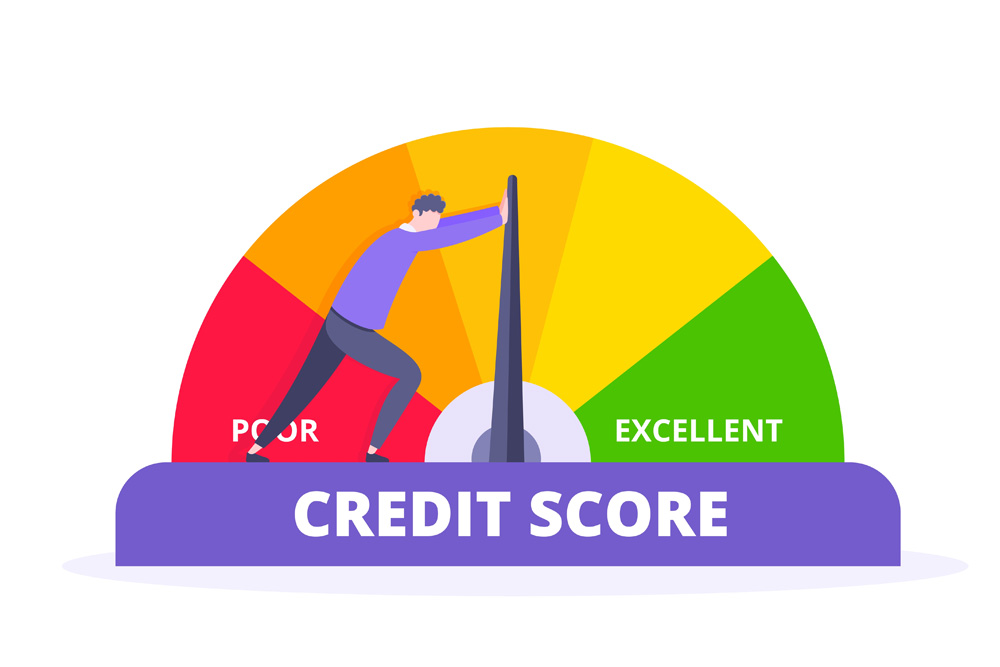

Your credit score might feel like a mysterious three-digit number that controls your financial life, but it doesn’t have to be an enigma. Think of it as your financial report card—one that lenders, landlords, and even some employers use to gauge your reliability.
The good news? You have more control over this number than you might realize. In today’s digital-first world, managing your credit has become easier than ever. With fintech apps and tools putting financial empowerment right at your fingertips.
Whether you’re looking to qualify for a mortgage, snag a better interest rate on a car loan, or simply build a stronger financial foundation, improving your credit score is within reach.
This article breaks down two fundamental strategies that can make a real difference in your credit health, along with practical tips for implementing them in your daily life.
Pay Your Bills On Time to Build Trust
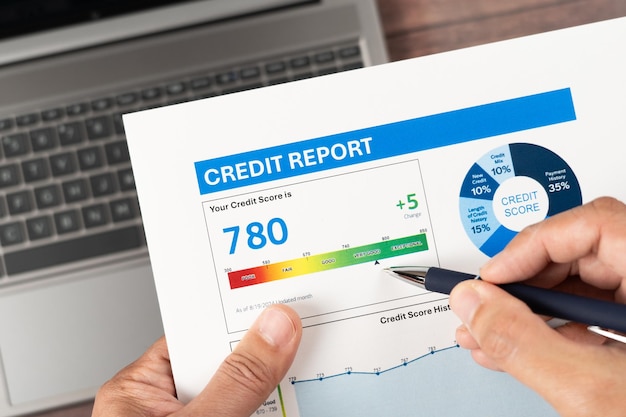
Your payment history accounts for roughly 35% of your FICO score, making it the single most influential factor in your credit calculation. Every time you pay a bill on time, you’re essentially telling lenders, “I’m reliable.”
Conversely, late payments send red flags that can linger on your credit report for up to seven years. The digital transformation of banking has made tracking payment history more transparent than ever. Credit bureaus now receive real-time updates from creditors, meaning a late payment can impact your score within weeks.
The modern consumer faces a unique challenge: managing multiple payment due dates across various platforms. Between student loans, credit cards, utility bills, and subscription services, keeping track of everything can feel overwhelming.
Missing a payment isn’t always about lacking funds—sometimes it’s simply about losing track of dates. This is where technology becomes your ally. Many millennials have embraced automated payment systems to eliminate the human error factor entirely.
Financial institutions have responded to consumer needs by offering more flexible payment options and reminder systems. Most major banks now provide mobile apps with customizable alerts that notify you days before a payment is due.
These digital tools represent a significant shift from the paper-statement era when forgetting a due date was far easier. Regulatory changes have also required creditors to provide clearer communication about payment deadlines and consequences, giving consumers better tools to stay informed.
Strategies for Consistent On-Time Payments
Setting up automatic payments is perhaps the most effective way to ensure you never miss a due date. Most creditors allow you to schedule recurring payments directly from your checking account.
You can typically choose to pay the minimum amount, a fixed amount, or the full balance each month. This set-it-and-forget-it approach works particularly well for fixed expenses like car loans or mortgages where the payment amount remains constant.
However, automation isn’t without its pitfalls. You must ensure sufficient funds remain in your account to cover automated payments. Overdraft fees can quickly negate the benefits of on-time payments.
Consider using budgeting apps that sync with your bank accounts to monitor your cash flow in real time. Apps like Mint or YNAB (You Need A Budget) can alert you when your balance runs low, helping you avoid overdrafts before they happen.
For those who prefer more hands-on control, creating a payment calendar can work wonders. Use your smartphone’s calendar app to set reminders three to five days before each due date. This buffer gives you time to transfer funds if needed or address any potential issues.
Some people find success by aligning all their bills to the same pay period, requesting due date changes from creditors to consolidate their payment schedule. Most credit card companies and service providers will accommodate such requests, making your financial life significantly more manageable.
Keep Your Credit Card Balances Low
Credit utilization—the percentage of available credit you’re currently using—comprises about 30% of your credit score. Experts generally recommend keeping this ratio below 30%, though scores tend to improve even more when utilization drops below 10%. If you have a credit card with a $10,000 limit, you’d ideally want to keep your balance under $3,000, and preferably under $1,000, for optimal credit health.
What surprises many consumers is that credit utilization gets calculated both per card and across all cards combined. Maxing out one card while keeping others at zero can still hurt your score. The algorithm looks at individual card utilization rates as well as your overall utilization across all revolving credit accounts. This nuance matters when deciding how to distribute charges across multiple cards.
The rise of fintech solutions has made monitoring utilization easier than ever. Credit monitoring services like Credit Karma or those offered directly by credit card issuers provide real-time updates on your utilization rate.
These tools democratize information that was once difficult to access, helping consumers make informed decisions about their spending. Some premium credit cards even send alerts when you approach certain utilization thresholds, giving you a chance to pay down balances before they impact your score.
Practical Ways to Lower Your Utilization

Paying down existing balances represents the most direct route to improving your utilization ratio. Rather than waiting for your monthly due date, consider making multiple payments throughout the month.
This strategy is particularly effective because credit card issuers typically report your balance to credit bureaus on a specific date each month—often your statement closing date. If you make a large purchase but pay it off before that reporting date, it may never appear in your utilization calculation.
Another effective approach involves requesting credit limit increases on existing cards. When your available credit increases while your spending remains constant, your utilization percentage automatically decreases.
Most credit card companies allow you to request limit increases online, and many will grant them without a hard inquiry on your credit report if you’ve demonstrated responsible usage. However, this strategy requires discipline—a higher limit isn’t an invitation to spend more.
Opening a new credit card can also improve your overall utilization by increasing your total available credit. This tactic works best when you don’t close old cards, as doing so would reduce your total credit and potentially increase your utilization ratio. The credit card industry has become increasingly competitive, with issuers offering attractive signup bonuses and rewards to millennials.
Just remember that new credit applications do trigger hard inquiries, which can temporarily lower your score by a few points. Strategic timing matters—space out new credit applications by at least six months when possible.
The Balance Transfer Consideration
Balance transfers deserve special mention as a utilization management tool. Many credit cards offer promotional periods with 0% APR on balance transfers, typically lasting 12 to 21 months.
Transferring high-interest balances to these promotional cards can help you pay down debt faster while reducing your utilization on the original cards. However, balance transfer fees usually range from 3% to 5% of the transferred amount, so calculate whether the interest savings justify the upfront cost.
The regulatory environment around balance transfers has evolved to provide better consumer protections. The Credit CARD Act of 2009 established clearer disclosure requirements, ensuring consumers understand promotional period terms and what happens when those periods end.
Despite these protections, you need to read the fine print carefully. Missing a payment during the promotional period can void the 0% rate entirely, leaving you with a potentially higher interest rate than you started with.
Digital tools have simplified the balance transfer process significantly. Most credit card issuers now allow you to initiate transfers entirely online, with funds typically moving within a week. Some fintech companies have even emerged specifically to help consumers optimize balance transfer strategies.
They use algorithms to identify the best opportunities based on your credit profile and existing debt. These technological advances put sophisticated financial strategies within reach of average consumers, not just those with financial advisors.
Improving your credit score doesn’t require financial wizardry or insider secrets—it comes down to consistent, responsible habits applied over time. Paying your bills on time and keeping your credit card balances low form the foundation of good credit health, accounting for roughly 65% of your FICO score combined.
The digital transformation of financial services has made implementing these strategies easier than ever, with automation, alerts, and real-time monitoring tools at your disposal. As fintech solutions continue to evolve and regulatory frameworks adapt to protect consumers, you have more resources and safeguards than previous generations ever enjoyed.
Final Thoughts
Start with small, manageable changes: set up one automatic payment this week, or make an extra credit card payment before your statement closes. These simple steps compound over time, gradually building the strong credit profile that opens doors to better interest rates, housing opportunities, and financial flexibility. Your credit score is a living number that responds to your behavior—treat it well, and it will serve you well in return.
References
- “What Is a FICO Score?” – myFICO. https://www.myfico.com/credit-education/whats-in-your-credit-score
- “How to Improve Your Credit Score” – NerdWallet. https://www.nerdwallet.com/article/finance/raise-credit-score-fast
- “Credit Card Balance Transfers: What You Need to Know” – Consumer Financial Protection Bureau. https://www.consumerfinance.gov/ask-cfpb/what-is-a-balance-transfer-en-44/
Keep Reading
If you found this article helpful, check out these related guides:
- Powerful Strategies to Boost Your Credit Score
- How to Create a Monthly Budget That Actually Works
- Building Wealth in Your 30s Using Retirement Accounts
Your credit score might feel like a mysterious three-digit number that controls your financial life, but it doesn’t have to be an enigma. Think of it as your financial report card—one that lenders, landlords, and even some employers use to gauge your reliability.
The good news? You have more control over this number than you might realize. In today’s digital-first world, managing your credit has become easier than ever. With fintech apps and tools putting financial empowerment right at your fingertips.
Whether you’re looking to qualify for a mortgage, snag a better interest rate on a car loan, or simply build a stronger financial foundation, improving your credit score is within reach.
This article breaks down two fundamental strategies that can make a real difference in your credit health, along with practical tips for implementing them in your daily life.
Pay Your Bills On Time to Build Trust
Your payment history accounts for roughly 35% of your FICO score, making it the single most influential factor in your credit calculation. Every time you pay a bill on time, you’re essentially telling lenders, “I’m reliable.”
Conversely, late payments send red flags that can linger on your credit report for up to seven years. The digital transformation of banking has made tracking payment history more transparent than ever. Credit bureaus now receive real-time updates from creditors, meaning a late payment can impact your score within weeks.
The modern consumer faces a unique challenge: managing multiple payment due dates across various platforms. Between student loans, credit cards, utility bills, and subscription services, keeping track of everything can feel overwhelming.
Missing a payment isn’t always about lacking funds—sometimes it’s simply about losing track of dates. This is where technology becomes your ally. Many millennials have embraced automated payment systems to eliminate the human error factor entirely.
Financial institutions have responded to consumer needs by offering more flexible payment options and reminder systems. Most major banks now provide mobile apps with customizable alerts that notify you days before a payment is due.
These digital tools represent a significant shift from the paper-statement era when forgetting a due date was far easier. Regulatory changes have also required creditors to provide clearer communication about payment deadlines and consequences, giving consumers better tools to stay informed.
Strategies for Consistent On-Time Payments
Setting up automatic payments is perhaps the most effective way to ensure you never miss a due date. Most creditors allow you to schedule recurring payments directly from your checking account.
You can typically choose to pay the minimum amount, a fixed amount, or the full balance each month. This set-it-and-forget-it approach works particularly well for fixed expenses like car loans or mortgages where the payment amount remains constant.
However, automation isn’t without its pitfalls. You must ensure sufficient funds remain in your account to cover automated payments. Overdraft fees can quickly negate the benefits of on-time payments.
Consider using budgeting apps that sync with your bank accounts to monitor your cash flow in real time. Apps like Mint or YNAB (You Need A Budget) can alert you when your balance runs low, helping you avoid overdrafts before they happen.
For those who prefer more hands-on control, creating a payment calendar can work wonders. Use your smartphone’s calendar app to set reminders three to five days before each due date. This buffer gives you time to transfer funds if needed or address any potential issues.
Some people find success by aligning all their bills to the same pay period, requesting due date changes from creditors to consolidate their payment schedule. Most credit card companies and service providers will accommodate such requests, making your financial life significantly more manageable.
Keep Your Credit Card Balances Low
Credit utilization—the percentage of available credit you’re currently using—comprises about 30% of your credit score. Experts generally recommend keeping this ratio below 30%, though scores tend to improve even more when utilization drops below 10%. If you have a credit card with a $10,000 limit, you’d ideally want to keep your balance under $3,000, and preferably under $1,000, for optimal credit health.
What surprises many consumers is that credit utilization gets calculated both per card and across all cards combined. Maxing out one card while keeping others at zero can still hurt your score. The algorithm looks at individual card utilization rates as well as your overall utilization across all revolving credit accounts. This nuance matters when deciding how to distribute charges across multiple cards.
The rise of fintech solutions has made monitoring utilization easier than ever. Credit monitoring services like Credit Karma or those offered directly by credit card issuers provide real-time updates on your utilization rate.
These tools democratize information that was once difficult to access, helping consumers make informed decisions about their spending. Some premium credit cards even send alerts when you approach certain utilization thresholds, giving you a chance to pay down balances before they impact your score.
Practical Ways to Lower Your Utilization
Paying down existing balances represents the most direct route to improving your utilization ratio. Rather than waiting for your monthly due date, consider making multiple payments throughout the month.
This strategy is particularly effective because credit card issuers typically report your balance to credit bureaus on a specific date each month—often your statement closing date. If you make a large purchase but pay it off before that reporting date, it may never appear in your utilization calculation.
Another effective approach involves requesting credit limit increases on existing cards. When your available credit increases while your spending remains constant, your utilization percentage automatically decreases.
Most credit card companies allow you to request limit increases online, and many will grant them without a hard inquiry on your credit report if you’ve demonstrated responsible usage. However, this strategy requires discipline—a higher limit isn’t an invitation to spend more.
Opening a new credit card can also improve your overall utilization by increasing your total available credit. This tactic works best when you don’t close old cards, as doing so would reduce your total credit and potentially increase your utilization ratio. The credit card industry has become increasingly competitive, with issuers offering attractive signup bonuses and rewards to millennials.
Just remember that new credit applications do trigger hard inquiries, which can temporarily lower your score by a few points. Strategic timing matters—space out new credit applications by at least six months when possible.
The Balance Transfer Consideration
Balance transfers deserve special mention as a utilization management tool. Many credit cards offer promotional periods with 0% APR on balance transfers, typically lasting 12 to 21 months.
Transferring high-interest balances to these promotional cards can help you pay down debt faster while reducing your utilization on the original cards. However, balance transfer fees usually range from 3% to 5% of the transferred amount, so calculate whether the interest savings justify the upfront cost.
The regulatory environment around balance transfers has evolved to provide better consumer protections. The Credit CARD Act of 2009 established clearer disclosure requirements, ensuring consumers understand promotional period terms and what happens when those periods end.
Despite these protections, you need to read the fine print carefully. Missing a payment during the promotional period can void the 0% rate entirely, leaving you with a potentially higher interest rate than you started with.
Digital tools have simplified the balance transfer process significantly. Most credit card issuers now allow you to initiate transfers entirely online, with funds typically moving within a week. Some fintech companies have even emerged specifically to help consumers optimize balance transfer strategies.
They use algorithms to identify the best opportunities based on your credit profile and existing debt. These technological advances put sophisticated financial strategies within reach of average consumers, not just those with financial advisors.
Improving your credit score doesn’t require financial wizardry or insider secrets—it comes down to consistent, responsible habits applied over time. Paying your bills on time and keeping your credit card balances low form the foundation of good credit health, accounting for roughly 65% of your FICO score combined.
The digital transformation of financial services has made implementing these strategies easier than ever, with automation, alerts, and real-time monitoring tools at your disposal. As fintech solutions continue to evolve and regulatory frameworks adapt to protect consumers, you have more resources and safeguards than previous generations ever enjoyed.
Final Thoughts
Start with small, manageable changes: set up one automatic payment this week, or make an extra credit card payment before your statement closes. These simple steps compound over time, gradually building the strong credit profile that opens doors to better interest rates, housing opportunities, and financial flexibility. Your credit score is a living number that responds to your behavior—treat it well, and it will serve you well in return.
References
- “What Is a FICO Score?” – myFICO. https://www.myfico.com/credit-education/whats-in-your-credit-score
- “How to Improve Your Credit Score” – NerdWallet. https://www.nerdwallet.com/article/finance/raise-credit-score-fast
- “Credit Card Balance Transfers: What You Need to Know” – Consumer Financial Protection Bureau. https://www.consumerfinance.gov/ask-cfpb/what-is-a-balance-transfer-en-44/
Keep Reading
If you found this article helpful, check out these related guides:







)