
You’ve just landed in a new city, and you have 48 hours to “see everything.” You sprint from museum to monument, snap a photo, then rush to the next spot — only to collapse at the airport wondering what you actually experienced. Sound familiar? That’s the opposite of slow travel, and a growing number of travelers are ditching the highlight reel in favor of something deeper. These slow travel tips can help you shift your approach entirely.
According to a 2023 report by the UN World Tourism Organization, longer-stay tourism is rising steadily, with travelers spending more time in fewer destinations. In this article, you’ll learn how to make the most of slow travel — from choosing destinations wisely to cutting costs, building real connections, and actually enjoying the journey.
Key Takeaways
- Slow travelers typically stay 1-4 weeks per destination, reducing per-day costs by up to 40% compared to short trips.
- Renting a local apartment instead of a hotel can cut accommodation expenses by 30-50% on trips longer than seven days.
- Research shows that deep cultural immersion — not sightseeing volume — is the top predictor of travel satisfaction, per the Journal of Travel Research.
- Slow travel significantly lowers carbon footprint: fewer flights means up to 90% less aviation-related emissions per trip, according to Our World in Data.
What Slow Travel Actually Means
Slow travel is a mindset, not a speed limit. It means choosing depth over breadth — spending real time in one place rather than ticking off a list of countries.
You don’t need months of free time to practice it. Even a two-week trip to one city qualifies. The key is intentionality: waking up without a packed itinerary, finding a favorite coffee shop, and letting a place reveal itself on its own terms.
Slow Travel vs. Traditional Tourism
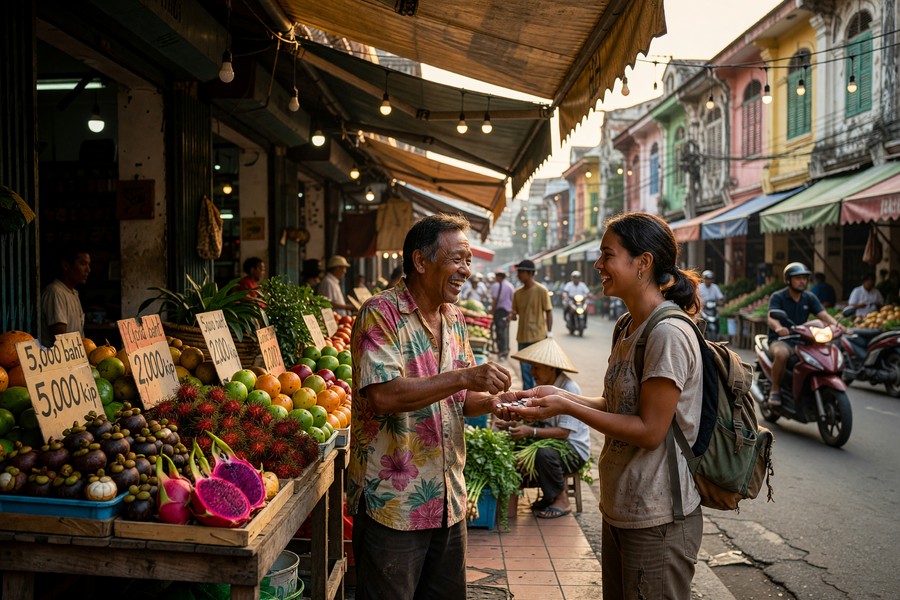
Traditional tourism is built around attractions. Slow travel is built around experience and presence. Instead of visiting the top-rated spots on a travel app, you might spend a morning at a neighborhood market or join a local cooking class.
The shift is subtle but powerful. You stop being a tourist and start feeling like a temporary resident. That distinction changes everything about how you remember a trip.
How to Choose the Right Destination for Slow Travel
Not every destination suits the slow travel approach equally well. Some cities reward extended stays with endless layers to uncover. Others feel exhausted after a week.
Look for places with walkable neighborhoods, strong local culture, affordable long-term rentals, and good infrastructure for remote work if needed. Secondary cities often beat capital cities for slow travel — they’re cheaper, less crowded, and more authentic.
Budget-Friendly Slow Travel Destinations
Southeast Asia, Eastern Europe, and Latin America consistently rank among the best regions for slow travel on a budget. Cities like Chiang Mai, Plovdiv, and Medellín offer low costs and rich local culture.
If you’re traveling with family, the value multiplies. Check out this guide to international travel with kids on a budget for destination ideas that work for longer stays with children in tow.
Slow Travel Tips for Saving Money
Here’s the financial upside most people miss: slower trips are often cheaper trips. When you stay longer, your per-day cost drops dramatically.
You’ll cook more meals, negotiate weekly or monthly rental rates, and stop paying premium prices for rushed convenience. A study by budget travel platform Numbeo shows that monthly apartment rentals in popular destinations cost 40-60% less per night than equivalent hotels.
Accommodation Strategies
Skip hotels after the first night or two. Platforms like Airbnb, Vrbo, and local rental sites offer significant discounts for weekly and monthly stays. Always message hosts directly to ask about extended-stay pricing — many will negotiate.
House-sitting is another powerful option. Sites like TrustedHousesitters connect travelers with homeowners who need someone to watch their property. You get free accommodation; they get peace of mind.
Using Reward Points Strategically
Before you book anything, make sure you’re squeezing maximum value from your travel points. Our guide on using travel reward points for maximum value covers exactly how to stack benefits across airlines, hotels, and credit cards.
Even one well-redeemed points booking can fund several extra weeks of slow travel. Don’t leave that value on the table.
Building Real Connections While Traveling Slowly
One of the most underrated slow travel tips is this: slow down long enough to actually meet people. Genuine connection is almost impossible on a one-night stop.
When you stay for weeks, patterns emerge. You become a regular at the corner café. You get invited to things. You stop being “the tourist.” That kind of social depth is what separates a forgettable trip from one you’ll talk about for years.
How to Meet Locals
Language exchange meetups, local Facebook groups, community sports leagues, and volunteering programs are all excellent entry points. Apps like Meetup work in many cities worldwide and require zero local contacts to get started.
Taking a class — cooking, language, pottery, anything — puts you in repeated contact with the same people. Repetition is the foundation of friendship. That’s as true abroad as it is at home.

Slow Travel Tips for Remote Workers and Gap Year Travelers
The rise of remote work has made slow travel more accessible than ever. If your job travels with you, there’s no reason your base has to be home.
Digital nomads and remote workers are natural slow travelers. Staying in one city for a month means you can actually get work done, maintain routines, and explore on your own schedule — not a tour bus’s.
Planning a Gap Year Around Slow Travel
A gap year is the ultimate slow travel canvas. Instead of booking a whirlwind world tour, pick three or four regions and spend two to three months in each. You’ll experience far more with far less stress.
For a complete financial roadmap, read our guide on how to plan a gap year abroad without going broke. It covers budgeting, visa planning, and income strategies in detail.
The Environmental Case for Slow Travel
Slow travel isn’t just better for your wallet and wellbeing — it’s significantly better for the planet. Aviation is one of the fastest-growing sources of carbon emissions globally.
According to Our World in Data’s analysis of travel carbon footprints, a single long-haul flight can generate more CO2 per passenger than months of other daily activities. Fewer flights per year is one of the most impactful personal choices you can make.
When you slow down your travel, you naturally fly less. You take trains, buses, or ferries instead. These options are not only greener — they’re often more scenic and memorable than any airport experience.
Frequently Asked Questions
How long do you need to stay somewhere to qualify as slow travel?
There’s no official minimum, but most slow travelers aim for at least one to two weeks per destination. A week gives you enough time to find your rhythm, discover non-touristy spots, and start feeling settled. That said, even a four-day extended stay in one neighborhood beats four cities in four days.
Is slow travel actually cheaper than regular travel?
Yes, in most cases. The biggest savings come from accommodation — weekly and monthly rental rates are far lower per night than hotels. You also save on flights (fewer of them), tourist traps (you learn to avoid them), and convenience markups (you cook more, shop locally, and plan ahead).
To keep finances organized during long trips, it helps to track every expense. The best expense tracking apps of 2026 can help you stay on budget no matter how long you’re abroad.
Can I practice slow travel if I only have two weeks of vacation?
Absolutely. Two weeks in one destination is the perfect slow travel trip. Choose a city with neighborhoods worth exploring, avoid booking every day in advance, and resist the urge to take day trips to three different towns. Depth beats breadth every time.
What are the best slow travel tips for solo travelers?
Solo travelers actually thrive with the slow travel approach. Without a group’s agenda, you’re free to follow your curiosity. Prioritize staying in places where it’s easy to meet people — co-working spaces, local hostels, language classes. Safety-wise, longer stays mean you learn the area quickly and establish trusted routines.
For more targeted advice, our guide on solo travel on a budget covers destinations, safety strategies, and reward hacks specifically for independent travelers.
How do I handle health insurance and medical coverage during long-term travel?
This is one of the most overlooked aspects of slow travel planning. Standard travel insurance may not cover extended stays or pre-existing conditions. Look into international health insurance plans designed for long-term travelers, and understand exactly what your policy covers before you leave.
If you’re navigating coverage options in the U.S. before departure, our breakdown of how to choose the right health insurance plan can help you make sense of your options without overpaying.