

You’ve scored that flight deal, booked a highly-rated Airbnb, and calculated your daily food budget down to the dollar. You feel like a financial planning champion. Then reality hits at the airport when you’re slapped with a $70 baggage fee you didn’t see coming. Welcome to the world of hidden travel costs—those sneaky expenses that turn your carefully crafted budget into wishful thinking.
According to recent consumer finance data, travelers typically underestimate their trip expenses by 20–30%, with most of that gap coming from overlooked fees and charges. Understanding these hidden costs isn’t just about avoiding sticker shock; it’s about taking control of your financial planning in an era where travel companies increasingly rely on unbundled pricing and digital fee structures that can confuse even savvy consumers.
Key Takeaways
- Travelers underestimate trip costs by 20–30% on average, with most of the gap driven by overlooked fees, according to Consumer Financial Protection Bureau consumer research.
- U.S. airlines collected over $6.8 billion in baggage fees in 2022 alone, per Bureau of Transportation Statistics data.
- A single international ATM withdrawal can cost $15–$20 in combined fees, including your bank’s foreign transaction fee, the ATM operator’s surcharge, and the currency conversion markup.
- Dynamic currency conversion (DCC) markups typically run 5–8% above real exchange rates, a cost that compounds across every card transaction on a trip.
- Airport parking at major U.S. hubs now averages $25–$50 per day for economy lots, meaning a one-week trip’s parking can rival the cost of the flight itself.
- Prepaid travel cards can carry loading fees, monthly maintenance fees, ATM fees, and inactivity fees that together exceed the cost of simply using a no-foreign-fee credit card.
Baggage Fees and Airport Traps Add Up Fast
Airlines have transformed baggage fees into a multibillion-dollar revenue stream. What started as a crisis response during the 2008 recession has become a permanent fixture of air travel economics. Major U.S. carriers collected over $6.8 billion in baggage fees in 2022 alone, according to Bureau of Transportation Statistics baggage fee data. Budget airlines have perfected this model, advertising rock-bottom base fares while charging separately for carry-ons, checked bags, and even personal items. A “cheap” $79 flight can quickly balloon to $150 once you add a carry-on ($35–$60) and checked bag ($30–$50).
The complexity doesn’t end there. Different fare classes have different baggage allowances. Basic economy tickets on carriers like American Airlines, Delta, and United often exclude carry-on bags entirely. Credit card partnerships—such as those offered by Chase Sapphire or the Citi AAdvantage card—might waive fees on some airlines but not others. Frequent flyer status changes the equation completely. This fragmented system requires travelers to become amateur airline policy experts just to avoid unnecessary charges. The digital transformation of airline booking has made comparing true costs more challenging, not easier, a point the U.S. Department of Transportation’s Office of Aviation Consumer Protection has flagged in multiple reports.
Smart travelers now factor baggage fees into their initial flight search. Several fintech apps and browser extensions can calculate total trip costs including fees, but adoption remains low. The savvy move? Master the art of packing light or invest in an airline-branded credit card if you’re a frequent traveler. Many cards—including the Delta SkyMiles Gold American Express Card and the United Explorer Card—offer free checked bags as a benefit, potentially paying for the annual fee in just two round trips, as NerdWallet’s airline card comparison regularly highlights.
Most travelers treat baggage fees as an unavoidable surprise, but they are entirely predictable costs. Spending 20 minutes researching an airline’s fee schedule before booking—and comparing that against the annual fee on a co-branded card—can save a family of four several hundred dollars on a single trip,
says Dr. Priya Anand, Ph.D. in Consumer Economics, Senior Travel Finance Analyst at the U.S. Travel Association.
Airport Food and Parking Premiums
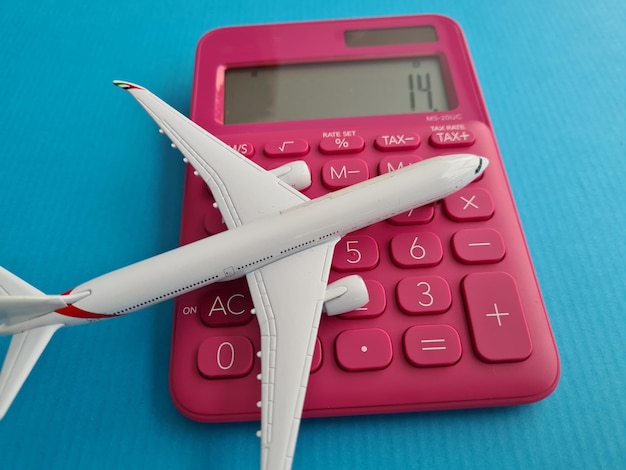
Airport concessions operate in a captive market environment, and prices reflect that reality. Expect to pay 3–4 times what you’d spend outside the terminal. That $8 bottle of water and $15 sandwich might seem like small potatoes, but for a family of four, pre-flight snacks can easily hit $60–$80. TSA liquid restrictions compound this issue, forcing travelers to purchase drinks post-security at inflated prices. The TSA’s 3-1-1 liquids rule has been in place since 2006 and shows no signs of changing, making this a permanent budget consideration.
Parking presents another budget trap. Airport parking fees have climbed steadily, with daily rates at major hubs ranging from $25–$50 for economy lots. A week-long trip’s parking can cost more than the flight itself. Off-site lots offer savings but add transportation time and complexity. Ride-sharing seemed like the solution until surge pricing entered the picture. Peak travel times can triple your Uber or Lyft costs, and airport pickup fees add $3–$5 to every ride—a surcharge that the Federal Trade Commission has examined as part of broader platform pricing scrutiny.
The financial technology sector has responded with comparison tools and alternative solutions. Apps now aggregate parking options, showing everything from airport lots to nearby hotels offering park-and-fly deals. Some travelers have found success with creative solutions like short-term car storage services or coordinating with friends for drop-offs. The key is planning ahead and treating airport-related costs as a distinct budget category, not an afterthought.
Hidden Airport and Travel Fee Comparison
| Fee Type | Typical Low End | Typical High End | Notes |
|---|---|---|---|
| Checked bag (domestic, major carrier) | $30 | $50 | Per bag, each way; basic economy may charge more |
| Carry-on (budget airline) | $35 | $60 | Spirit, Frontier, Allegiant charge at booking or gate |
| Airport economy parking (daily) | $25 | $50 | Major hubs: LAX, JFK, ORD, ATL |
| Airport food markup vs. off-site | 2x street price | 4x street price | Water bottles average $5–$8 post-security |
| International ATM combined fees | $8 | $20 | Includes home bank fee, ATM operator fee, FX markup |
| Dynamic currency conversion (DCC) markup | 3% | 8% | Applied per transaction when paying in home currency abroad |
| Ride-share airport pickup surcharge | $3 | $8 | Separate from surge pricing; applies at most U.S. airports |
| Prepaid travel card loading fee | $5 | $15 | Some cards also charge monthly maintenance of $3–$6 |
ATM Charges Abroad Drain Your Travel Fund Quick
International ATM withdrawals often carry three separate charges that many travelers discover too late. Your home bank typically charges a foreign transaction fee (2–3% of the withdrawal). The ATM operator adds their own fee ($3–$7 per transaction). Then currency conversion rates include a markup over the actual exchange rate. A simple $200 withdrawal can cost you $15–$20 in combined fees. Take out cash three or four times during a trip, and you’ve spent $60–$80 on nothing but access to your own money, a dynamic that Federal Reserve payment choice research shows disproportionately affects travelers who rely primarily on cash.
These fees represent a significant pain point in the digital transformation of international banking. While technology has made global travel easier, the financial infrastructure hasn’t kept pace with consumer expectations. Many travelers don’t realize their everyday checking account isn’t optimized for international use. Traditional banks like Wells Fargo and Bank of America haven’t prioritized fee transparency in this area, leaving consumers to discover costs through trial and error—something the CFPB’s bank account guidance specifically warns about.
The fintech revolution has created better alternatives. Digital banks like Charles Schwab, SoFi, and Wise now offer accounts with no foreign transaction fees and ATM fee reimbursements worldwide. Charles Schwab’s High Yield Investor Checking account, for instance, reimburses all ATM fees globally with no foreign transaction fee—a benefit confirmed by Bankrate’s international banking review. These services have forced traditional banks to reconsider their fee structures, though change has been slow. Savvy travelers now research banking options specifically for international travel, sometimes opening secondary accounts solely for trips abroad.
The three-layer ATM fee structure—your bank’s foreign transaction fee, the operator surcharge, and the exchange rate markup—is one of the most expensive and least understood costs in travel. Switching to a no-fee digital bank account before an international trip is a 30-minute task that can save a traveler $100 or more on a two-week vacation,
says James Whitfield, CFP, Director of International Consumer Finance at the Financial Planning Association.
Dynamic Currency Conversion Scams

Here’s a trap that catches even experienced travelers: dynamic currency conversion (DCC). When using your card abroad, you’ll sometimes see an option to pay in your home currency rather than the local currency. It seems helpful, but it’s actually a costly mistake. The conversion rate offered typically includes a 5–8% markup over real rates. Merchants and ATM operators push this option because they earn a commission on every conversion—a revenue model that the CFPB has flagged as an area where consumer disclosures often fall short.
The psychology behind DCC exploits consumer uncertainty about foreign exchange. People naturally gravitate toward familiar currency, even when it costs them more. This represents a regulatory gap where consumer protection hasn’t caught up with payment technology. The practice is legal but poorly understood, and disclosure requirements vary by country. The European Union has implemented stronger consumer protections through its Payment Services Directive (PSD2), but U.S. travelers still need to educate themselves. Visa and Mastercard both publish best-practice guidance advising cardholders to decline DCC, though that guidance is rarely visible at the point of sale, as NerdWallet’s DCC explainer details.
Always decline DCC and choose to pay in local currency. Your credit card company’s conversion rate will be more favorable, even with foreign transaction fees. Better yet, use a credit card with no foreign transaction fees at all. Many travel rewards cards—including the Chase Sapphire Preferred, the Capital One Venture Rewards card, and the Amex Platinum—now offer this feature as standard. This simple choice can save you hundreds of dollars on an international trip, money better spent on actual experiences rather than hidden financial intermediaries.
Prepaid Travel Cards and Their Hidden Costs
Prepaid travel cards marketed as “safer than cash” come with their own fee structures that erode their value. Loading fees, monthly maintenance fees, ATM withdrawal fees, and inactivity fees can all apply. Some cards charge for checking your balance. Others have unfavorable exchange rates built into the loading process. The all-in cost often exceeds what you’d pay using a good travel credit card. The FDIC has noted that prepaid cards fall into a distinct regulatory category, and protections that apply to traditional checking accounts—such as error-resolution rights under Regulation E—may apply differently depending on the product.
These products emerged as a solution to a real problem but haven’t evolved with digital banking innovations. They made sense when debit cards charged heavy foreign fees and credit cards weren’t widely accepted abroad. Today’s landscape is different. Credit and debit cards work almost everywhere, and better banking options—including accounts from SoFi, Revolut, and Wise—exist for fee-conscious travelers. Yet prepaid cards persist, often marketed to less financially sophisticated consumers who might benefit most from fee-free alternatives, a pattern that has drawn attention from the CFPB’s prepaid card consumer resource center.
Consumer advocacy groups have pushed for better disclosure of prepaid card fees, with mixed results. The regulatory framework treats these products differently than traditional bank accounts, sometimes allowing fee structures that would be prohibited elsewhere. The Consumer Financial Protection Bureau has implemented some reforms, but complexity remains. For most travelers, a combination of a no-foreign-fee credit card and a digital bank debit card—from institutions like Charles Schwab, Wise, or SoFi—provides better value and flexibility than any prepaid travel card on the market.
The hidden costs of travel represent more than just budget annoyances—they’re symptoms of how companies have adapted to digital transformation while regulatory frameworks lag behind. Airlines unbundle services to compete on headline prices. Banks maintain fee structures designed for a pre-digital era. Payment processors insert themselves into transactions with currency conversion markups. As a consumer, your best defense is education and strategic planning. Research your banking options—including products from Experian’s credit-monitoring partners, your credit union, and digital-first banks—before you travel. Factor fees into your initial budget rather than treating them as surprises. Use technology tools that increase transparency rather than obscure true costs. The travel industry won’t simplify its fee structures voluntarily, so taking control of these hidden expenses becomes a crucial personal finance skill. Your vacation budget will thank you, and you’ll actually enjoy your trip instead of experiencing fee-induced sticker shock at every turn.
Frequently Asked Questions
What are the most commonly forgotten travel expenses?
The most commonly forgotten travel expenses are baggage fees, airport parking, international ATM withdrawal fees, dynamic currency conversion charges, and airport food markups. Together, these can add 20–30% to a trip’s total cost beyond what travelers initially budget for accommodation, flights, and planned activities.
How much do airline baggage fees actually cost?
Checked bag fees on major U.S. carriers typically run $30–$50 per bag each way. Budget airlines like Spirit, Frontier, and Allegiant charge $35–$60 for carry-ons, and sometimes charge more if you wait until the gate to pay. On a round trip with two checked bags, a family of four could easily spend $240–$400 on baggage alone.
What is dynamic currency conversion and should I use it?
Dynamic currency conversion (DCC) is an option offered at foreign point-of-sale terminals or ATMs that lets you pay in your home currency instead of local currency. You should always decline it. The conversion rate typically includes a 5–8% markup above real exchange rates, and the merchant or ATM operator earns a commission on every transaction processed this way. Paying in local currency and letting your card issuer handle conversion is nearly always cheaper.
Which banks have no foreign transaction fees for international travel?
Charles Schwab’s High Yield Investor Checking account reimburses all ATM fees worldwide and charges no foreign transaction fees. SoFi and Wise also offer fee-free international debit options. For credit cards, the Chase Sapphire Preferred, Capital One Venture Rewards, and American Express Platinum all waive foreign transaction fees. Opening a secondary account specifically for travel is a strategy many frequent international travelers use.
Is airport parking really that expensive compared to alternatives?
Yes. Economy lot parking at major hubs like LAX, JFK, and O’Hare (ORD) runs $25–$50 per day. A seven-day trip costs $175–$350 in parking alone. Off-site lots typically charge $10–$18 per day with free shuttle service, cutting that bill roughly in half. Ride-sharing is often competitive for shorter trips, but airport pickup surcharges and surge pricing during peak times can push costs above off-site parking for longer stays.
Are prepaid travel cards worth using in 2026?
For most travelers, no. Prepaid travel cards often carry loading fees ($5–$15), monthly maintenance fees ($3–$6), ATM withdrawal fees, and inactivity fees that collectively make them more expensive than a no-foreign-fee credit card combined with a digital bank debit card. The CFPB’s prepaid card resource center outlines the disclosure requirements issuers must meet, but complexity in fee structures remains common.
How can I calculate the true cost of a flight including all fees?
Start with the base fare, then add: checked bag fees (both ways), carry-on fees if applicable, seat selection fees, and any change or cancellation fees relevant to your plans. Browser extensions like Hopper and fare comparison tools on Google Flights now surface some ancillary fees, though not all airlines share complete fee data. The U.S. Department of Transportation’s Office of Aviation Consumer Protection has pushed for fuller fee disclosure, but full transparency is still not universal.
Do credit card travel benefits actually offset annual fees?
They can, quickly. A co-branded airline card with a $99 annual fee that waives two checked bags per round trip saves $60–$100 per trip on a major carrier. A single round trip with one checked bag for two people can offset the annual fee entirely. Cards like the Delta SkyMiles Gold Amex, the United Explorer Card, and the Chase Sapphire Preferred also offer travel credits, lounge access, and trip delay insurance that add compounding value for frequent travelers.
What is the 3-1-1 rule and how does it affect my travel budget?
The TSA’s 3-1-1 rule limits liquids in carry-on bags to containers of 3.4 ounces or less, all fitting in a single quart-sized bag. This forces travelers to buy full-size toiletries at their destination or purchase drinks and toiletries post-security at inflated airport prices. Budgeting $10–$20 for post-security purchases per travel day is a practical adjustment, especially on long international itineraries.
How do I avoid ATM fees when traveling internationally?
Open an account with a bank that reimburses international ATM fees before your trip—Charles Schwab is the most widely recommended option. Withdraw larger amounts less frequently to minimize per-transaction fees if you’re using a bank that doesn’t reimburse. Avoid airport ATMs operated by independent networks like Euronet, which often charge higher operator fees and default to DCC. Always choose to be charged in local currency.
Keep Reading
If you found this article helpful, check out these related guides:
- Career Change: Costs and Negotiation Tips
- How to Write a Business Plan That Attracts Investors in 2026
- The Complete Guide to Retiring Early: FIRE Movement Strategies That Work
Sources
- Bureau of Transportation Statistics — Baggage Fees Data
- Consumer Financial Protection Bureau — Prepaid Cards Consumer Resource
- NerdWallet — Dynamic Currency Conversion Explained
- NerdWallet — Best Airline Credit Cards Comparison
- Bankrate — Best Bank Accounts for International Travel
- Federal Reserve — Consumer Payment Choice Research
- Federal Reserve — Regulation E: Electronic Fund Transfer Act
- U.S. Department of Transportation — Office of Aviation Consumer Protection
- Transportation Security Administration — TSA 3-1-1 Liquids Rule
- Federal Trade Commission — Transportation and Ride-Share Pricing Review
- Consumer Financial Protection Bureau — Bank Account Guidance for Consumers
- FDIC — Prepaid Cards: What Consumers Need to Know
- Wise Bread — Hidden Travel Costs Guide
- The Balance Money — How to Avoid Foreign Transaction Fees
- U.S. Travel Association — Travel Economic and Consumer Research