

Starting or expanding a small business requires capital, and today’s entrepreneurs have more funding options than ever before. The traditional path of walking into a bank and applying for a business loan still exists, but it’s no longer the only game in town. Modern alternatives have emerged that can get you funded faster, with less paperwork, and often with more flexible terms.
Understanding the full spectrum of funding options helps you make smarter decisions about your business’s financial future. Whether you’re launching a startup or scaling an existing venture, knowing where to look for money—and what each option entails—can make the difference between success and struggle.
Traditional Bank Loans vs. Modern Alternatives
Traditional bank loans have been the backbone of small business financing for decades. These loans typically offer competitive interest rates and structured repayment terms that span several years. Banks provide various loan types, including term loans, lines of credit, and SBA-backed loans that come with government guarantees. The application process requires extensive documentation: business plans, financial statements, tax returns, and credit history. Banks want to see that you’ve been in business for at least two years and have strong revenue.
The advantage of bank loans lies in their legitimacy and often lower costs. Established relationships with banks can lead to better terms over time. You’ll also build business credit that helps with future financing needs. However, the approval process can take weeks or even months. Banks have become more cautious since the 2008 financial crisis, making approval rates for small businesses relatively low. According to recent data from the Federal Reserve, only about 40% of small business applicants receive full funding from large banks.
For millennials starting their first business, traditional banks can feel particularly intimidating. Many younger entrepreneurs lack the lengthy credit history or collateral that banks prefer. The rigid requirements don’t always account for innovative business models or digital-first companies. This disconnect has created space for alternative lenders to flourish.
Modern Funding Alternatives

Online lenders have revolutionized small business funding by streamlining applications and speeding up approvals. Companies like Kabbage, OnDeck, and Fundbox use technology to assess creditworthiness differently than traditional banks. They analyze bank account data, cash flow patterns, and even social media presence. You can often get approved within 24 hours and receive funds within days. The trade-off? Higher interest rates and shorter repayment terms, sometimes as brief as three to eighteen months.
Merchant cash advances represent another popular alternative, especially for retail and restaurant businesses. These aren’t technically loans but rather advances on future credit card sales. You receive a lump sum upfront and repay it through a percentage of daily credit card transactions. This arrangement offers flexibility since payments adjust with your sales volume. However, the effective interest rates can be extremely high, sometimes exceeding 40% annually. NerdWallet warns that merchant cash advances should be a last resort due to their cost.
Crowdfunding platforms like Kickstarter and Indiegogo have opened entirely new funding avenues. You pitch your business idea to the public and offer rewards or equity in return for contributions. This approach works exceptionally well for consumer products and creative ventures. Beyond raising money, crowdfunding validates your concept and builds a customer base. Invoice financing and peer-to-peer lending through platforms like Funding Circle provide additional alternatives that bypass traditional banking entirely.
How Fintech Is Changing Small Business Lending
Fintech companies have fundamentally transformed how lenders evaluate risk and approve loans. Traditional banks rely heavily on FICO scores and years of financial history. Fintech lenders employ artificial intelligence and machine learning to analyze hundreds of data points in real-time. They examine bank transactions, payment processing history, shipping volumes, and even utility payments. This comprehensive approach allows them to approve businesses that banks would automatically reject.
The technology enables faster processing and reduced overhead costs. Automated underwriting systems can review applications in minutes rather than weeks. These efficiency gains translate to lower operational costs, though not always lower interest rates for borrowers. Fintech lenders can serve businesses in underserved markets and industries that traditional banks avoid. They’ve particularly helped minority-owned businesses and startups access capital they couldn’t get elsewhere.
Real-time data access also enables more flexible lending products. Some fintech companies offer lines of credit that automatically adjust based on your business performance. Others provide revenue-based financing where repayment amounts fluctuate with monthly sales. This dynamic approach to lending better matches the realities of modern business operations, especially for seasonal or growth-stage companies.
The Integration of Banking and Technology
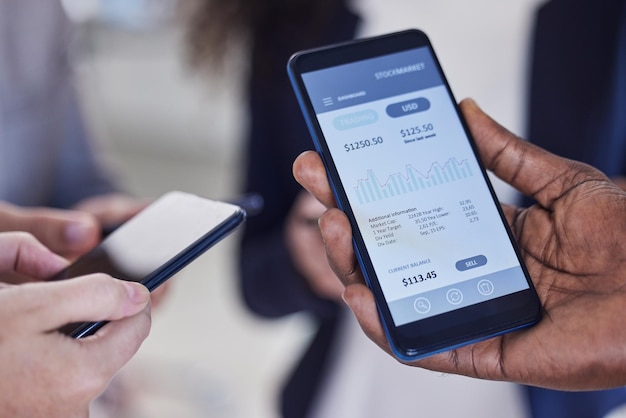
Open banking regulations and APIs have allowed fintech companies to integrate directly with business bank accounts. This integration provides lenders with accurate, up-to-date financial information without requiring borrowers to submit mountains of paperwork. You simply connect your bank account, and the lender pulls the necessary data automatically. This transparency benefits both parties: lenders make more informed decisions while borrowers enjoy faster approvals.
Digital-first banks like Novo and Relay offer business checking accounts designed specifically for small businesses and freelancers. They integrate lending products directly into their banking platforms. When you need working capital, you can apply for a loan without leaving your banking dashboard. Some platforms pre-approve you for certain amounts based on your account activity, making funding available instantly when opportunities arise.
The convergence of banking and fintech has also improved the customer experience dramatically. Mobile apps let you manage loans, track payments, and access support from anywhere. Chatbots answer questions instantly. Transparent pricing models show you exactly what you’ll pay before you commit. These improvements particularly resonate with millennial business owners who expect digital-first experiences in all aspects of their financial lives.
Regulatory Considerations and Consumer Protection
As fintech lending grows, regulatory frameworks struggle to keep pace. Traditional banks face strict regulations from agencies like the FDIC and OCC. Many fintech lenders operate in less regulated spaces, which allows innovation but also creates potential risks. Some online lenders have faced criticism for unclear terms, aggressive collection practices, and predatory pricing. The Consumer Financial Protection Bureau has increased scrutiny of fintech lenders in recent years.
Understanding your rights and protections matters when choosing a lender. SBA loans come with government backing and consumer protections. Traditional bank loans fall under established banking regulations. Alternative lenders may offer less protection if disputes arise. Always read the fine print and understand the true cost of borrowing, including all fees and the annual percentage rate (APR).
The regulatory landscape continues evolving as lawmakers balance innovation with consumer protection. Several states have implemented licensing requirements for online lenders. Industry groups are developing best practices and ethical lending standards. As a borrower, you benefit from this increased oversight, but you still need to do your homework before accepting any funding offer.
The small business funding landscape has never been more diverse or accessible. Traditional bank loans remain relevant for established businesses with strong credit, while modern alternatives serve entrepreneurs who need speed, flexibility, or don’t fit the traditional mold. Fintech innovations have democratized access to capital, using technology to assess risk in new ways and streamline the borrowing experience. The key is matching your specific needs with the right funding source. Consider your timeline, how much capital you need, your credit situation, and what you can afford to repay. Don’t jump at the first offer—compare multiple options and calculate the true cost of each. As digital transformation continues reshaping financial services, staying informed about your options empowers you to make funding decisions that support your business’s long-term success.
References
- Federal Reserve Banks. (2023). “Small Business Credit Survey.” https://www.fedsmallbusiness.org/
- NerdWallet. (2024). “Small Business Loans: Compare Your Options.” https://www.nerdwallet.com/best/small-business/small-business-loans
- Consumer Financial Protection Bureau. (2024). “Small Business Lending.” https://www.consumerfinance.gov/
Starting or expanding a small business requires capital, and today’s entrepreneurs have more funding options than ever before. The traditional path of walking into a bank and applying for a business loan still exists, but it’s no longer the only game in town. Modern alternatives have emerged that can get you funded faster, with less paperwork, and often with more flexible terms.
Understanding the full spectrum of funding options helps you make smarter decisions about your business’s financial future. Whether you’re launching a startup or scaling an existing venture, knowing where to look for money—and what each option entails—can make the difference between success and struggle.
Traditional Bank Loans vs. Modern Alternatives
Traditional bank loans have been the backbone of small business financing for decades. These loans typically offer competitive interest rates and structured repayment terms that span several years. Banks provide various loan types, including term loans, lines of credit, and SBA-backed loans that come with government guarantees. The application process requires extensive documentation: business plans, financial statements, tax returns, and credit history. Banks want to see that you’ve been in business for at least two years and have strong revenue.
The advantage of bank loans lies in their legitimacy and often lower costs. Established relationships with banks can lead to better terms over time. You’ll also build business credit that helps with future financing needs. However, the approval process can take weeks or even months. Banks have become more cautious since the 2008 financial crisis, making approval rates for small businesses relatively low. According to recent data from the Federal Reserve, only about 40% of small business applicants receive full funding from large banks.
For millennials starting their first business, traditional banks can feel particularly intimidating. Many younger entrepreneurs lack the lengthy credit history or collateral that banks prefer. The rigid requirements don’t always account for innovative business models or digital-first companies. This disconnect has created space for alternative lenders to flourish.
Modern Funding Alternatives
Online lenders have revolutionized small business funding by streamlining applications and speeding up approvals. Companies like Kabbage, OnDeck, and Fundbox use technology to assess creditworthiness differently than traditional banks. They analyze bank account data, cash flow patterns, and even social media presence. You can often get approved within 24 hours and receive funds within days. The trade-off? Higher interest rates and shorter repayment terms, sometimes as brief as three to eighteen months.
Merchant cash advances represent another popular alternative, especially for retail and restaurant businesses. These aren’t technically loans but rather advances on future credit card sales. You receive a lump sum upfront and repay it through a percentage of daily credit card transactions. This arrangement offers flexibility since payments adjust with your sales volume. However, the effective interest rates can be extremely high, sometimes exceeding 40% annually. NerdWallet warns that merchant cash advances should be a last resort due to their cost.
Crowdfunding platforms like Kickstarter and Indiegogo have opened entirely new funding avenues. You pitch your business idea to the public and offer rewards or equity in return for contributions. This approach works exceptionally well for consumer products and creative ventures. Beyond raising money, crowdfunding validates your concept and builds a customer base. Invoice financing and peer-to-peer lending through platforms like Funding Circle provide additional alternatives that bypass traditional banking entirely.
How Fintech Is Changing Small Business Lending
Fintech companies have fundamentally transformed how lenders evaluate risk and approve loans. Traditional banks rely heavily on FICO scores and years of financial history. Fintech lenders employ artificial intelligence and machine learning to analyze hundreds of data points in real-time. They examine bank transactions, payment processing history, shipping volumes, and even utility payments. This comprehensive approach allows them to approve businesses that banks would automatically reject.
The technology enables faster processing and reduced overhead costs. Automated underwriting systems can review applications in minutes rather than weeks. These efficiency gains translate to lower operational costs, though not always lower interest rates for borrowers. Fintech lenders can serve businesses in underserved markets and industries that traditional banks avoid. They’ve particularly helped minority-owned businesses and startups access capital they couldn’t get elsewhere.
Real-time data access also enables more flexible lending products. Some fintech companies offer lines of credit that automatically adjust based on your business performance. Others provide revenue-based financing where repayment amounts fluctuate with monthly sales. This dynamic approach to lending better matches the realities of modern business operations, especially for seasonal or growth-stage companies.
The Integration of Banking and Technology
Open banking regulations and APIs have allowed fintech companies to integrate directly with business bank accounts. This integration provides lenders with accurate, up-to-date financial information without requiring borrowers to submit mountains of paperwork. You simply connect your bank account, and the lender pulls the necessary data automatically. This transparency benefits both parties: lenders make more informed decisions while borrowers enjoy faster approvals.
Digital-first banks like Novo and Relay offer business checking accounts designed specifically for small businesses and freelancers. They integrate lending products directly into their banking platforms. When you need working capital, you can apply for a loan without leaving your banking dashboard. Some platforms pre-approve you for certain amounts based on your account activity, making funding available instantly when opportunities arise.
The convergence of banking and fintech has also improved the customer experience dramatically. Mobile apps let you manage loans, track payments, and access support from anywhere. Chatbots answer questions instantly. Transparent pricing models show you exactly what you’ll pay before you commit. These improvements particularly resonate with millennial business owners who expect digital-first experiences in all aspects of their financial lives.
Regulatory Considerations and Consumer Protection
As fintech lending grows, regulatory frameworks struggle to keep pace. Traditional banks face strict regulations from agencies like the FDIC and OCC. Many fintech lenders operate in less regulated spaces, which allows innovation but also creates potential risks. Some online lenders have faced criticism for unclear terms, aggressive collection practices, and predatory pricing. The Consumer Financial Protection Bureau has increased scrutiny of fintech lenders in recent years.
Understanding your rights and protections matters when choosing a lender. SBA loans come with government backing and consumer protections. Traditional bank loans fall under established banking regulations. Alternative lenders may offer less protection if disputes arise. Always read the fine print and understand the true cost of borrowing, including all fees and the annual percentage rate (APR).
The regulatory landscape continues evolving as lawmakers balance innovation with consumer protection. Several states have implemented licensing requirements for online lenders. Industry groups are developing best practices and ethical lending standards. As a borrower, you benefit from this increased oversight, but you still need to do your homework before accepting any funding offer.
The small business funding landscape has never been more diverse or accessible. Traditional bank loans remain relevant for established businesses with strong credit, while modern alternatives serve entrepreneurs who need speed, flexibility, or don’t fit the traditional mold. Fintech innovations have democratized access to capital, using technology to assess risk in new ways and streamline the borrowing experience. The key is matching your specific needs with the right funding source. Consider your timeline, how much capital you need, your credit situation, and what you can afford to repay. Don’t jump at the first offer—compare multiple options and calculate the true cost of each. As digital transformation continues reshaping financial services, staying informed about your options empowers you to make funding decisions that support your business’s long-term success.
References
- Federal Reserve Banks. (2023). “Small Business Credit Survey.” https://www.fedsmallbusiness.org/
- NerdWallet. (2024). “Small Business Loans: Compare Your Options.” https://www.nerdwallet.com/best/small-business/small-business-loans
- Consumer Financial Protection Bureau. (2024). “Small Business Lending.” https://www.consumerfinance.gov/







)