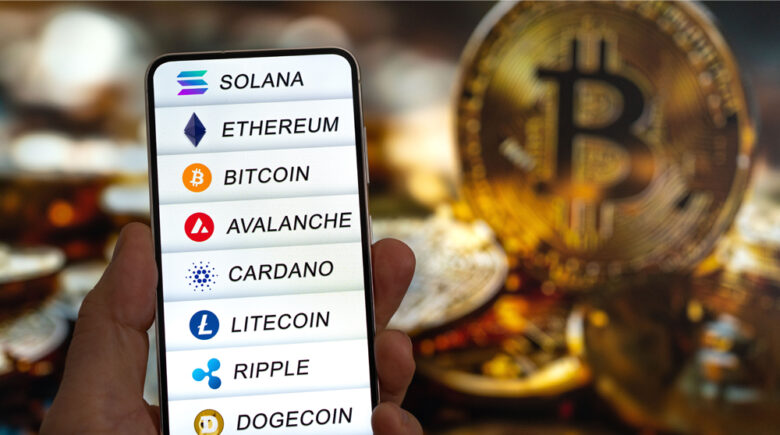

The cryptocurrency market has evolved from a niche experiment into a legitimate asset class that millions of Americans now include in their investment portfolios. For beginners, the sheer number of digital currencies can feel overwhelming. However, two cryptocurrencies consistently stand out as the foundation for any crypto portfolio: Bitcoin and Ethereum. These digital assets have proven their staying power through multiple market cycles and continue to attract both retail and institutional investors.
Understanding these two cryptocurrencies provides newcomers with a solid foundation for navigating the broader digital asset landscape. This guide breaks down what makes Bitcoin and Ethereum essential knowledge for anyone looking to enter the crypto market in 2026 and beyond.
Key Takeaways
- Bitcoin has a hard-capped supply of 21 million coins, a feature designed by Satoshi Nakamoto to create scarcity, according to the original Bitcoin whitepaper.
- The SEC approved the first U.S. Bitcoin spot ETFs in January 2024, opening the asset class to traditional brokerage investors, as reported by the SEC.
- Financial advisors typically recommend limiting crypto holdings to 5–10% of your total investment portfolio to protect overall financial health, per Investopedia’s portfolio guidelines.
- Ethereum completed its transition from proof-of-work to proof-of-stake in September 2022, reducing the network’s energy consumption by an estimated 99.95%, according to the Ethereum Foundation.
- A common beginner allocation places 60–70% in Bitcoin and 30–40% in Ethereum to balance stability with growth potential.
- Both Bitcoin and Ethereum trade on regulated U.S. exchanges that are subject to FinCEN and state money-transmitter licensing requirements, providing baseline consumer protections.
Getting Started with Bitcoin and Ethereum

Bitcoin launched in 2009 as the world’s first cryptocurrency. Its creator, known by the pseudonym Satoshi Nakamoto, designed it as a peer-to-peer electronic cash system, as detailed in the original Bitcoin whitepaper. Bitcoin operates on a decentralized network called blockchain, which records all transactions transparently and permanently. No central authority controls Bitcoin, making it fundamentally different from traditional currencies.
Ethereum arrived in 2015 with a different vision. Vitalik Buterin and his co-founders created Ethereum as a programmable blockchain platform. While it has its own currency called Ether (ETH), Ethereum’s primary purpose extends beyond simple transactions. The platform enables developers to build decentralized applications and smart contracts. These self-executing contracts automatically enforce agreements without intermediaries, a concept explained in depth by the Ethereum Foundation’s smart contracts overview.
Both cryptocurrencies use blockchain technology, but they serve different purposes. Bitcoin functions primarily as a store of value and medium of exchange. Ethereum provides the infrastructure for an entire ecosystem of decentralized finance applications, NFTs, and other blockchain-based services. New investors should understand these fundamental differences before allocating their money.
| Feature | Bitcoin (BTC) | Ethereum (ETH) |
|---|---|---|
| Launch Year | 2009 | 2015 |
| Founder | Satoshi Nakamoto (pseudonym) | Vitalik Buterin and co-founders |
| Primary Purpose | Store of value / digital currency | Programmable smart contract platform |
| Maximum Supply | 21 million BTC (hard cap) | No hard cap; issuance controlled by protocol |
| Consensus Mechanism | Proof-of-Work | Proof-of-Stake (since September 2022) |
| Energy Use vs. Pre-2022 ETH | High (mining-intensive) | Reduced by approximately 99.95% |
| Spot ETF Approval (U.S.) | January 2024 | May 2024 |
| Typical Beginner Allocation | 60–70% of crypto portion | 30–40% of crypto portion |
| Regulatory Classification (SEC) | Commodity | Generally treated as commodity post-Merge |
How to Make Your First Purchase
Getting started requires opening an account with a cryptocurrency exchange. Major platforms like Coinbase, Kraken, and Gemini offer user-friendly interfaces designed for beginners. These exchanges comply with U.S. regulations and provide insurance for digital assets held on their platforms. You’ll need to verify your identity by providing personal information and documentation, similar to opening a bank account.
Funding your account typically happens through bank transfers, debit cards, or wire transfers. Bank transfers usually offer the lowest fees but take several days to process. Debit card purchases provide instant access but come with higher transaction costs. Most experts recommend starting with small amounts until you become comfortable with the buying process and market volatility.
Security should be your top priority from day one. Enable two-factor authentication on your exchange account immediately. Consider using a hardware wallet for long-term storage of significant amounts. These physical devices keep your private keys offline, protecting them from hackers, a practice strongly recommended by the Cybersecurity and Infrastructure Security Agency (CISA). Many beginners start by keeping assets on the exchange, but moving to self-custody becomes important as your holdings grow.
For anyone entering the crypto market today, the single most important habit to establish immediately is controlling your own private keys. Leaving large holdings on an exchange is like storing cash at someone else’s house — convenient until it isn’t.
says Dr. Leila Haddad, PhD in Financial Technology, Senior Research Fellow at the Digital Assets Policy Institute.
Investment Strategies for Newcomers
Dollar-cost averaging works particularly well for cryptocurrency investing. This strategy involves investing a fixed amount at regular intervals, regardless of price. For example, buying $100 worth of Bitcoin every week helps smooth out the impact of volatility. You’ll purchase more when prices drop and less when they rise, potentially lowering your average cost over time. According to Investopedia’s explanation of dollar-cost averaging, this approach is one of the most widely recommended methods for managing entry risk in volatile asset classes.
Diversification between Bitcoin and Ethereum makes sense for most beginners. A common approach allocates 60–70% to Bitcoin and 30–40% to Ethereum. Bitcoin’s longer track record and larger market capitalization make it the more conservative choice. Ethereum’s technological capabilities and growing ecosystem offer higher growth potential but come with increased risk.
Never invest more than you can afford to lose. Cryptocurrency markets experience extreme volatility that can test even experienced investors’ nerves. Financial advisors typically recommend limiting crypto exposure to 5–10% of your total investment portfolio, according to guidance published by Forbes Advisor’s cryptocurrency allocation guide. This allocation provides meaningful upside potential while protecting your overall financial health if the market crashes.
Dollar-cost averaging into Bitcoin and Ethereum over a 12- to 24-month horizon has historically produced better risk-adjusted outcomes for retail investors than attempting to time entries around market cycles. Consistency beats prediction for the vast majority of people.
says James Okafor, CFA, CFP, Director of Digital Asset Strategy at Meridian Wealth Advisors.
Why These Two Cryptos Dominate the Market
Bitcoin enjoys the strongest brand recognition in the cryptocurrency space. Most people who know anything about crypto have heard of Bitcoin. This name recognition creates a powerful network effect that becomes self-reinforcing. As more people buy Bitcoin, it becomes more valuable, attracting even more buyers. The cryptocurrency has essentially become synonymous with the entire asset class in mainstream consciousness, a dynamic documented in CoinDesk’s coverage of Bitcoin’s mainstream adoption milestones.
Ethereum dominates the smart contract platform category with similar authority. Developers built the vast majority of decentralized applications on Ethereum’s blockchain. This established ecosystem creates high switching costs for projects already deployed on the network. Competitors must offer significantly superior technology to convince developers to rebuild their applications elsewhere.
Both networks benefit from the largest and most active developer communities. Thousands of programmers worldwide contribute to improving Bitcoin and Ethereum’s core protocols. This ongoing development ensures both networks continue evolving to meet new challenges. The combination of large user bases, developer support, and established infrastructure creates formidable competitive moats, a point highlighted in Chainalysis’s annual developer activity research.
Institutional Adoption and Regulatory Clarity
Major financial institutions have embraced Bitcoin as a legitimate asset class. Companies like MicroStrategy, Tesla, and Square hold Bitcoin on their balance sheets. The approval of Bitcoin spot ETFs in January 2024 marked a watershed moment for mainstream adoption, as confirmed by the SEC’s official press release. These investment vehicles allow traditional investors to gain Bitcoin exposure through their regular brokerage accounts without dealing with crypto exchanges.
Ethereum has attracted similar institutional interest, particularly from the decentralized finance sector. Banks and financial services companies experiment with Ethereum’s blockchain for settlement systems and tokenized assets. JPMorgan, for instance, uses a modified version of Ethereum for its blockchain initiatives. The September 2022 transition to proof-of-stake made Ethereum more environmentally sustainable — reducing energy consumption by an estimated 99.95% according to the Ethereum Foundation’s energy consumption data — addressing a major concern for institutional investors.
Regulatory frameworks continue evolving to accommodate these established cryptocurrencies. The SEC treats Bitcoin as a commodity rather than a security, providing important legal clarity. Ethereum’s regulatory status remains slightly more complex, but authorities generally view it favorably compared to newer cryptocurrencies. This relative regulatory certainty makes Bitcoin and Ethereum safer choices for risk-conscious investors.
Market Liquidity and Infrastructure
Bitcoin and Ethereum offer unmatched liquidity in the cryptocurrency market. You can buy or sell these assets instantly at any time without significantly impacting the price. Smaller cryptocurrencies often lack sufficient trading volume, making large purchases or sales difficult. This liquidity becomes crucial during market downturns when you might need to exit positions quickly, a factor analyzed in depth by the Bank for International Settlements in its research on crypto market microstructure.
The infrastructure supporting these two cryptocurrencies far exceeds what’s available for alternatives. Thousands of businesses accept Bitcoin as payment. Ethereum powers hundreds of decentralized applications processing billions in daily transaction volume. This extensive real-world usage provides fundamental value beyond pure speculation.
Custody solutions, insurance products, and lending services have matured around Bitcoin and Ethereum. Traditional financial institutions now offer crypto custody services that meet institutional security standards. This professional infrastructure makes these cryptocurrencies accessible to a broader range of investors, from individuals to pension funds. The ecosystem surrounding Bitcoin and Ethereum continues expanding, reinforcing their dominant market positions.
Bitcoin and Ethereum represent the foundation of cryptocurrency investing for good reasons. They’ve demonstrated resilience through multiple market cycles, regulatory challenges, and technological evolution. Starting your crypto journey with these two assets provides exposure to the market’s most established and liquid options. Their different value propositions — Bitcoin as digital gold and Ethereum as a programmable platform — offer complementary investment theses. As you gain experience and confidence, you can explore other cryptocurrencies, but building a core position in Bitcoin and Ethereum gives you a solid foundation. Remember that cryptocurrency remains a volatile and speculative asset class requiring careful research and risk management. By starting small, investing consistently, and prioritizing security, you can participate in this innovative asset class while protecting your financial future.
Frequently Asked Questions
What is the difference between Bitcoin and Ethereum?
Bitcoin is a decentralized digital currency designed primarily as a store of value and medium of exchange, with a hard supply cap of 21 million coins. Ethereum is a programmable blockchain platform that supports smart contracts and decentralized applications; its native currency is called Ether (ETH). While both use blockchain technology, Bitcoin is often called “digital gold” and Ethereum is described as a “programmable settlement layer” for a broader ecosystem of financial and non-financial applications.
How much money do I need to start investing in Bitcoin or Ethereum?
You can start with as little as $10 on most major U.S. exchanges, because both Bitcoin and Ethereum can be purchased in fractional amounts. Most platforms, including Coinbase and Kraken, have no meaningful minimum beyond their transaction fee thresholds. Starting small while you learn the platform and understand your own risk tolerance is widely recommended before committing larger sums.
Is it safe to buy Bitcoin and Ethereum on an exchange?
Regulated U.S. exchanges such as Coinbase, Kraken, and Gemini comply with FinCEN requirements and state money-transmitter laws, offering baseline consumer protections. However, exchange-held assets are not covered by FDIC or SIPC insurance the way bank deposits or brokerage accounts are. For holdings you intend to keep long-term, security best practices recommend transferring assets to a self-custody hardware wallet after purchase.
What is dollar-cost averaging and why is it recommended for crypto?
Dollar-cost averaging (DCA) means investing a fixed dollar amount at regular intervals — for example, $50 every week — regardless of the current price. Because crypto prices are highly volatile, DCA reduces the risk of making a large purchase right before a significant price decline. Over time, this approach lowers your average cost per coin and removes the pressure of trying to time the market perfectly.
What percentage of my portfolio should I put in cryptocurrency?
Most financial advisors recommend allocating no more than 5–10% of your total investment portfolio to cryptocurrency. This cap limits your exposure to crypto’s extreme volatility while still allowing meaningful participation in potential upside. Your specific allocation should reflect your age, income stability, existing assets, and personal risk tolerance.
What was the significance of the Bitcoin spot ETF approval in January 2024?
The SEC’s approval of U.S. Bitcoin spot ETFs in January 2024 allowed traditional brokerage account holders to gain direct Bitcoin price exposure without opening a crypto exchange account or managing a wallet. This opened the asset class to a much wider range of investors, including those in 401(k) brokerage windows and IRA accounts. It was broadly viewed as the most significant regulatory milestone for Bitcoin’s mainstream adoption since its creation.
What happened when Ethereum switched to proof-of-stake?
Ethereum completed its transition from proof-of-work mining to proof-of-stake validation in September 2022, an event called “the Merge.” This change eliminated the energy-intensive mining process and reduced Ethereum’s energy consumption by an estimated 99.95% according to the Ethereum Foundation. It also changed the economics of new ETH issuance and addressed one of the most frequently cited environmental objections to institutional investment in Ethereum.
How do I store Bitcoin and Ethereum securely?
There are two main storage options: exchange custody and self-custody. Exchange custody means the platform holds your private keys on your behalf, which is convenient but introduces counterparty risk. Self-custody uses a software wallet (connected to the internet) or a hardware wallet (an offline physical device) where you control your own private keys. For any holdings of meaningful size, a hardware wallet from a reputable manufacturer is the most widely recommended long-term storage method.
Are Bitcoin and Ethereum considered securities by U.S. regulators?
The SEC has consistently treated Bitcoin as a commodity rather than a security, placing it under CFTC jurisdiction for most purposes. Ethereum’s status became clearer following the Merge; regulators have generally treated it similarly to Bitcoin in practice, though the legal framework continues to evolve. Neither has faced the same securities classification scrutiny applied to many smaller altcoins and token projects.
Can I lose all my money investing in Bitcoin or Ethereum?
Yes — as with any speculative asset, it is possible to lose the full value of your investment. Bitcoin and Ethereum have each experienced price drawdowns exceeding 70–80% from peak to trough during prior bear markets. While both have historically recovered and reached new highs over multi-year periods, past performance does not guarantee future results. Only invest money you could afford to lose entirely without affecting your essential financial obligations.
Keep Reading
If you found this article helpful, check out these related guides:
- AI-Powered Investment Platforms: What Robo-Advisors Can and Cannot Do in 2026
- Open Banking Explained: How It Works and Why It Matters for Your Money
- Best Expense Tracking Apps 2026: Reviews and Features
Sources
- Nakamoto, S. (2008). Bitcoin: A Peer-to-Peer Electronic Cash System — Bitcoin.org
- Buterin, V. Ethereum Whitepaper — Ethereum Foundation
- U.S. Securities and Exchange Commission. (2024). SEC Approves Bitcoin Spot ETFs — SEC.gov
- Ethereum Foundation. Ethereum Energy Consumption Data — Ethereum.org
- Ethereum Foundation. Smart Contracts Explained — Ethereum.org
- NerdWallet. How to Buy Bitcoin: A Guide to Investing in Cryptocurrency — NerdWallet.com
- Forbes Advisor. What Is Ethereum And How Does It Work? — Forbes.com
- Investopedia. Bitcoin vs. Ethereum: What’s the Difference? — Investopedia.com
- Investopedia. Dollar-Cost Averaging (DCA) Explained — Investopedia.com
- Forbes Advisor. How Much of Your Portfolio Should Be in Crypto? — Forbes.com
- Investopedia. How Much of Your Portfolio Should You Invest in Crypto? — Investopedia.com
- Cybersecurity and Infrastructure Security Agency (CISA). Protecting Cryptocurrency Assets — CISA.gov
- Bank for International Settlements. (2022). BIS Working Paper No. 1049: Crypto Trading and Bitcoin Market Microstructure — BIS.org
- Chainalysis. Crypto Developer Activity Report — Chainalysis.com
- CoinDesk. (2024). Bitcoin ETF Approval: A Mainstream Moment for Crypto — CoinDesk.com