
Fact-checked by the ZeroinDaily editorial team
Quick Answer
To extend your digital nomad travel budget by months without draining savings, you need to choose low-cost base cities, slash accommodation costs through house-sitting or long-term rentals, earn location-independent income, and use travel rewards strategically. Nomads who apply these five steps typically reduce monthly living costs by 40–60% compared to standard tourist spending, stretching a $10,000 runway into six months or more.
Updated July 2026
Managing a digital nomad travel budget is the difference between a two-week vacation and a year of continuous travel. In July 2025, the average tourist spends roughly $2,600 per international trip according to Statista’s global tourism data. Experienced nomads routinely live and work abroad for under $1,500 per month. They make deliberate choices about where they go, how they stay, and how long they stay.
The nomad lifestyle has accelerated sharply since remote work normalized. MBO Partners’ independent workforce research found that the number of Americans identifying as digital nomads has grown significantly in recent years, nearly triple pre-pandemic figures. That growth means more competition for cheap housing. It also means more tools, communities, and infrastructure built to help nomads spend less.
This guide is for anyone who wants their savings to fund a longer journey. You might be planning your first three-month stint or trying to stretch an existing trip. Follow these five steps and you’ll have a repeatable system for keeping costs low without sacrificing quality of life.
Key Takeaways
- Nomads who choose Southeast Asian or Eastern European base cities spend an average of $800–$1,200 per month all-in, according to Numbeo’s 2025 Cost of Living Index.
- Switching from hotels to house-sitting platforms like TrustedHousesitters can eliminate accommodation costs entirely, saving the average nomad $600–$900 per month.
- Long-term rental stays of 28 days or more on platforms like Airbnb typically unlock discounts of 20–50% off nightly rates, per Airbnb’s monthly stay data.
- Using a no-foreign-transaction-fee travel credit card saves the average nomad $300–$500 per year in avoidable bank charges, based on data from the best travel credit cards for frequent flyers.
- Nomads who establish at least one source of location-independent income, freelancing, remote employment, or passive revenue, extend their travel timeline by an average of 8 months compared to those relying on savings alone.
- Slow travel strategies, such as staying in one city for 4–8 weeks instead of moving weekly, reduce transport costs by up to 35% while allowing deeper local integration.
In This Guide
- Step 1: How do I choose the cheapest cities for long-term digital nomad living?
- Step 2: How do I cut accommodation costs as a digital nomad?
- Step 3: How do I earn money while traveling to make my digital nomad travel budget last longer?
- Step 4: Which travel rewards and banking tools best protect a digital nomad travel budget?
- Step 5: How do I track and automate my spending so my savings don’t run out mid-trip?
- Frequently Asked Questions
Step 1: How Do I Choose the Cheapest Cities for Long-Term Digital Nomad Living?
The single most powerful lever in any digital nomad travel budget is geographic arbitrage: choosing cities where your dollar, euro, or pound buys dramatically more than it does at home. Cities like Chiang Mai, Thailand; Tbilisi, Georgia; Medellin, Colombia; and Lodz, Poland offer full monthly living costs that are a fraction of what you’d pay in major Western cities, according to Numbeo’s 2025 Cost of Living Index.
How to Research and Rank Candidate Cities
Start with Nomad List (nomadlist.com), a data-driven platform that ranks cities by monthly cost, internet speed, safety, and nomad community size. Filter for cities where estimated monthly cost falls below your target budget. Cross-reference with Numbeo for granular data on rent, groceries, and transport.
Next, check the internet speed score. Anything above 25 Mbps is workable for video calls, but 50+ Mbps is the threshold for reliable remote work. Tbilisi and Chiang Mai both average above 60 Mbps. Lodz and Krakow in Poland average over 100 Mbps, which makes them favorites for developers and video creators.
What to Watch Out For
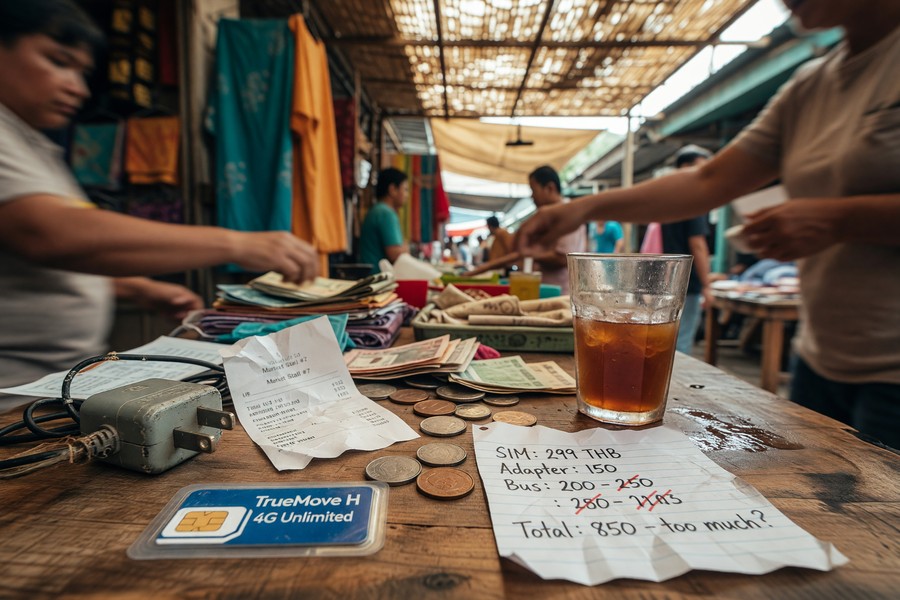
Avoid conflating low living costs with low total costs. Visa runs, initial setup expenses (SIM cards, adapters, a month’s deposit), and seasonal price spikes can add $200–$500 to your first month in any city. Build a “new city buffer” into your plan.
Tourist hotspots like Bali’s Canggu and Lisbon have seen rent inflation of 15–30% over the past two years driven by nomad influx. Check recent Reddit threads on r/digitalnomad and Facebook expat groups for current pricing rather than relying solely on aggregators.
Living in Chiang Mai costs an average of $1,100 per month all-in for a single nomad, compared to $4,200 per month for the equivalent lifestyle in San Francisco, according to Numbeo’s 2025 city comparison data. That difference alone extends a $20,000 savings runway from less than 5 months to over 18 months.
Step 2: How Do I Cut Accommodation Costs as a Digital Nomad?
Accommodation is typically the largest single line item in a digital nomad travel budget, consuming 30–50% of total monthly spending. The fastest way to extend your runway is to eliminate or dramatically reduce this cost. House-sitting, long-term rentals, coliving spaces, and home exchanges each offer a path.
How to Use House-Sitting to Live Rent-Free
TrustedHousesitters is the dominant platform with over 130,000 listings worldwide. A paid membership costs roughly $129 per year. In return you stay in private homes for free while caring for pets. Experienced nomads report filling 60–80% of their calendar with house-sits, spending close to zero on accommodation for those months.
Build your profile with references from your first few sits. Applying to older, less-viewed listings dramatically improves acceptance rates compared to competing for newly posted sits with hundreds of applicants.
How to Negotiate Long-Term Rental Discounts
On Airbnb, monthly discounts of 20–50% activate automatically for stays of 28 days or more. Always message hosts before booking to negotiate directly. Many will drop the price further to avoid gaps in their calendar. Another approach: book the first week through Airbnb to verify the property, then negotiate a direct cash arrangement for the remaining weeks, cutting out platform fees entirely.
For furnished apartments, local Facebook groups like “Expats in Medellin” or “Nomads in Tbilisi” list sublets well below platform prices. Expect to save $150–$300 per month versus the Airbnb rate in the same area.
Coliving spaces like Outsite, Selina, and Roam bundle accommodation, coworking, and community into one monthly fee averaging $800–$1,400. This is not always the cheapest option. It eliminates the setup friction of a new city and provides instant community, which is valuable for focus and mental health on longer trips.
What to Watch Out For
Short-term booking platforms charge cleaning fees and service fees that can add 25–40% to the advertised nightly rate. Always calculate the total weekly or monthly cost before comparing options. A $35/night listing with a $120 cleaning fee is more expensive per week than a $45/night listing with no cleaning fee.
| Accommodation Type | Average Monthly Cost | Best For | Key Platform |
|---|---|---|---|
| House-Sitting | $0–$129/year membership | Pet lovers, flexible schedules | TrustedHousesitters |
| Long-Term Airbnb | $500–$1,200 | Fast setup, familiar interface | Airbnb (28+ day discount) |
| Local Facebook Sublet | $350–$900 | Budget maximizers, community feel | Facebook Groups |
| Coliving Space | $800–$1,400 | First-time nomads, networking | Selina, Outsite |
| Private Apartment Lease | $300–$800 | Stays of 2+ months, maximum savings | Local agents, Idealista |
| Home Exchange | $150–$200/year membership | Homeowners, reciprocal swap | HomeExchange |
For nomads who enjoy moving slowly between destinations, pairing house-sitting with occasional coliving bookings creates a highly flexible and low-cost schedule. You can learn more about the financial and lifestyle benefits of this approach in our guide to slow travel strategies that help you see more by moving less.
Real-World Application: A 620 Credit Score, $8,000 Loan, and a 6-Month Travel Plan
If you have a 620 credit score and are considering a $8,000 personal loan to fund a six-month travel stint, this system is still viable, but with caveats. A score below 670 typically limits access to low-rate personal loans. You may secure a loan with 12–18% APR, which adds ~$1,000 in interest over six months. In this case, your goal shifts from “maximizing savings” to “minimizing monthly outlays.” Prioritize cities like Chiang Mai or Tbilisi, where even $1,000/month is sustainable. Combine house-sitting for 3–4 months with a modest freelance income to reduce reliance on the loan. The system works best when income replaces debt, not when debt funds the lifestyle.
Step 3: How Do I Earn Money While Traveling to Make My Digital Nomad Travel Budget Last Longer?
Adding even a modest stream of location-independent income changes your travel math. A nomad spending $1,200 per month who earns $800 per month remotely only needs to draw $400 from savings. That stretches a $15,000 runway from 12.5 months to over 37 months.
The Three Income Models That Work Best for Nomads
The first model is remote employment: keeping or landing a full-time remote job in your home country while traveling. Sites like Remote OK, We Work Remotely, and LinkedIn’s remote filter list thousands of roles. This provides the most stable income but requires managing time zones and contractual obligations.
The second model is freelancing. Platforms like Upwork, Toptal, and Contra connect skilled contractors with clients globally. Copywriting, web development, graphic design, video editing, and virtual assistance are the highest-demand categories. Experienced freelancers on Upwork report median hourly rates of $28–$60 depending on specialization.
The third model is passive or semi-passive digital income. This includes content monetization (YouTube AdSense, newsletters, affiliate marketing), selling digital products, or licensing photography. These take longer to build but require minimal active time once established, which makes them ideal travel companions.
Research from platforms like Nomad List shows that nomads who earn at least 50% of their expenses within the first six months sustain travel significantly longer. Income diversification is a key safeguard against emergencies.
What to Watch Out For
Tax obligations do not disappear when you travel. US citizens owe federal taxes on worldwide income regardless of residence. Many countries also impose tax residency rules if you stay more than 183 days in a calendar year. Consult a cross-border tax specialist or use services like Taxes for Expats before committing to long stays.
Visa regulations are the second major pitfall. Working on a tourist visa is illegal in most countries. Check whether your destination offers a digital nomad visa. Over 50 countries have launched official digital nomad or remote worker visa programs, including Portugal, Costa Rica, Greece, and Barbados, according to the IMF’s working paper on digital nomad labor trends.

Portugal’s D8 Digital Nomad Visa requires proof of monthly income of at least $3,480 (four times the Portuguese minimum wage) and offers a renewable one-year permit that can lead to permanent residency. It is among the most accessible and well-established nomad visa programs in Europe.
When This System Fails: Who Should Skip It
Nomads with unstable or inconsistent income, such as those relying solely on freelance gigs with long gaps between projects, should not rely on this model without a backup. The system assumes some degree of income predictability. If your income varies by 50% or more from month to month, you risk underestimating expenses. Also, those with high debt obligations (e.g., student loans, credit card balances) should prioritize debt reduction before launching into long-term travel. The flexibility of the nomad lifestyle doesn’t eliminate financial risk, it redistributes it. Without a buffer, a single unexpected expense can derail a six-month plan.
Step 4: Which Travel Rewards and Banking Tools Best Protect a Digital Nomad Travel Budget?
Choosing the right financial tools can save a nomad $500–$1,500 per year in fees, unfavorable exchange rates, and missed rewards. The right combination of banking, cards, and points strategy is a core pillar of a sustainable digital nomad travel budget.
The Essential Financial Stack for Nomads
Every nomad needs a fee-free international checking account as their base. Charles Schwab’s High-Yield Investor Checking account refunds all ATM fees worldwide and charges zero foreign transaction fees, making it the most widely recommended choice in nomad communities. Wise (formerly TransferWise) is the go-to for holding and converting multiple currencies at mid-market rates, saving 2–5% versus traditional bank exchange rates on every transfer.
For credit cards, no-foreign-transaction-fee cards that earn travel rewards are essential. Our breakdown of the best travel credit cards for frequent flyers in 2026 covers current sign-up bonuses, earning rates, and annual fee breakdowns. Cards like the Chase Sapphire Preferred and Capital One Venture X offer elevated earning rates on travel and dining, categories that dominate nomad spending.
How to Maximize Travel Reward Points
Points and miles can cover flights entirely, removing one of the biggest variable costs from your budget. Booking economy award seats on Star Alliance or Oneworld partner airlines through programs like United MileagePlus or British Airways Avios can provide strong value per point when redeemed for flights. Our guide to using travel reward points for maximum value explains exactly how to find and book these redemptions.
Stacking points earning works best when all daily spending routes through one or two primary cards. Use a card with a high dining multiplier for restaurants, a travel card for accommodation bookings, and a flat-rate card as backup.
What to Watch Out For
Dynamic currency conversion (DCC) at ATMs and card terminals quietly adds 3–8% to every transaction. Always choose to pay in the local currency, never the currency of your home country, when prompted at a foreign terminal.
Travel insurance is non-negotiable for long-term nomads, yet many people either skip it or buy policies that exclude remote work activities. Make sure your policy covers both medical evacuation and personal liability while working. Our overview of what travel insurance actually covers breaks down what to look for before you buy.
Step 5: How Do I Track and Automate My Spending So My Savings Don’t Run Out Mid-Trip?
A digital nomad travel budget only works if you can see where every dollar goes and course-correct in real time. The best nomads treat budget tracking as a weekly ritual, not an annual panic. They use automation to reduce the cognitive load of managing money across currencies and time zones.
How to Set Up a Nomad Budget Tracking System
Start with a simple monthly budget divided into five categories: accommodation, food, transport, work tools (coworking, software, hardware), and entertainment/personal. Assign a target and a ceiling to each. Review actuals against targets every Sunday for 15 minutes.
YNAB (You Need A Budget) is the most popular choice among nomads for zero-based monthly budgeting and supports manual multi-currency entries. Copilot (iOS) and Monarch Money offer strong automatic transaction categorization for US-based accounts. For a broader comparison of current options, our guide to the best budgeting apps for 2026 covers features, pricing, and nomad-specific use cases.
Budget tracking is often the deciding factor. Nomads who check their spending weekly catch drift before it becomes a crisis. Those who stop looking at the numbers often run out of money mid-trip. Our guide to the best budgeting apps for 2026 can help set up a simple system.
How to Automate Savings Before You Spend
Set up an automatic transfer of a fixed amount, your “emergency reserve contribution”, to a high-yield savings account on the day your income arrives. Marcus by Goldman Sachs and SoFi both offer high-yield savings accounts accessible from abroad with rates above 4.5% APY as of mid-2025.
Automate bill payments for any recurring home-country obligations: storage unit, subscriptions, loan minimums. This avoids missed payments that damage credit scores. Use Wise to schedule recurring international transfers if you maintain accounts in multiple currencies.
What to Watch Out For
Budget creep is the silent killer of nomad finances. When accommodation costs drop, lifestyle spending tends to rise: more restaurants, day trips, and impulse purchases. Track your total monthly spend against your original plan monthly, not just category by category. A 10% overspend across five categories compounds into a 50% budget overrun quickly.
Use a dedicated expense tracking app with multi-currency support and set a weekly spending alert at 70% of your category budget. Catching overruns at 70% gives you time to adjust behavior before hitting 100%, instead of discovering the problem after the fact.

Related reading: smart packing tech travel efficiency.
Frequently Asked Questions
How much money do I actually need to start living as a digital nomad?
Most financial advisors recommend having at least 3–6 months of target monthly expenses saved before going nomad, plus a $2,000–$3,000 setup buffer for first-month deposits, gear, and unexpected costs. If your target city costs $1,200 per month, a $10,000 starting fund is a reasonable floor. Nomads who launch with remote income already in place can start with significantly less.
What are the cheapest countries to live in as a digital nomad in 2025?
The cheapest countries for nomads with reliable internet include Thailand, Vietnam, Georgia, Colombia, Mexico, Poland, and Portugal. Monthly all-in costs range from $700 in smaller Thai cities to $1,400 in Lisbon. Numbeo’s Cost of Living Index is the best free tool for real-time city-by-city comparison.
How do I avoid running out of money while traveling long-term?
The most reliable way to avoid running out of money is to generate at least partial income while traveling and to track spending weekly against a fixed monthly budget. Nomads who combine geographic arbitrage (low-cost cities) with a modest freelance income of $500–$1,000 per month rarely exhaust savings. Our detailed breakdown of how to travel more often without overspending covers the full system.
Should I use a credit card or cash as a digital nomad?
Use a no-foreign-transaction-fee travel credit card for all purchases where it is accepted, and withdraw local cash from ATMs using a fee-reimbursing account like Charles Schwab for markets where cash is preferred. Never use a debit card with foreign transaction fees. The cumulative cost over six months can exceed $400. Always decline dynamic currency conversion (DCC) when offered.
What is the best way to handle taxes as a digital nomad from the US?
US citizens must file federal tax returns on worldwide income regardless of where they live. You may qualify for the Foreign Earned Income Exclusion (FEIE), which excludes up to $126,500 of foreign-earned income (2024 limit, adjusted annually) if you meet the bona fide residence or physical presence test. Consult a tax professional familiar with expat filings. The IRS’s official Foreign Earned Income Exclusion guidance outlines the qualification criteria.
How do I find reliable WiFi as a digital nomad to protect my work income?
Always carry a local SIM card with a data plan as your primary backup. Most Southeast Asian and Eastern European countries offer 30-day unlimited data plans for $5–$20. Use Speedtest by Ookla to check speeds before committing to a café or coworking space. Coworking membership platforms like Coworker.com let you book day passes at vetted spaces with guaranteed speeds.
Is house-sitting really free and how do I get started?
Yes, house-sitting through platforms like TrustedHousesitters is genuinely free accommodation in exchange for pet care or property management. The annual membership fee runs approximately $129 for a sitter account. Getting your first sit is the hardest part. Apply to listings in less popular destinations first, obtain a background check (offered through the platform), and gather references from personal contacts to build credibility before your profile has formal sit reviews.
How do digital nomad visas work and which countries offer them?
Digital nomad visas are official temporary residence permits that allow remote workers to live legally in a country while earning income from foreign sources. Over 50 countries offer some version of a nomad visa, including Portugal, Spain, Costa Rica, Greece, Barbados, and Croatia. Each program has its own income thresholds, duration, and documentation requirements. Most require proof of income between $2,000 and $4,000 per month and valid health insurance.
What hidden costs do most digital nomads forget to budget for?
The most commonly overlooked costs include visa fees and border runs ($50–$300 each), international health insurance ($80–$200/month), coworking day passes during transitions ($15–$30/day), checked baggage fees on budget airlines, and the cost of maintaining a home-country address for banking and mail purposes ($15–$50/month via a virtual mailbox service). Our guide to hidden travel costs including transfers and insurance covers each of these in detail.
Can I manage a digital nomad budget on less than $1,000 per month?
Yes, but it requires strict trade-offs. In cities like Chiang Mai, Ho Chi Minh City, Tbilisi, or Lodz, $900–$1,000 per month covers a private room or studio apartment, groceries, fast internet, and basic transport. There is little room for entertainment, travel days, or emergencies. Most nomads find $1,200–$1,500 per month in these cities provides a genuinely comfortable lifestyle with flexibility. Going below $1,000 is sustainable only if accommodation is fully covered through house-sitting or similar arrangements.
Sources
- Numbeo, Cost of Living Index 2025
- MBO Partners, State of Independence in America Report
- Statista, Global Tourism Statistics and International Travel Spending
- IRS, Foreign Earned Income Exclusion Official Guidance
- International Monetary Fund, Digital Nomads: A New Trend in the Labor Market (Working Paper)
- Airbnb Newsroom, Long-Term Stay and Monthly Discount Data
- Nomad List, City Rankings by Cost, Internet Speed, and Nomad Score
- Remote OK, Remote Job Listings and Salary Data by Role
- TrustedHousesitters, Platform Overview and Membership Pricing






