

Quick Answer
You can travel more often without overspending by automating contributions to a dedicated high-yield savings account, booking during shoulder season for savings of 40–60% on flights and hotels, traveling carry-on only to eliminate baggage fees, and strategically using travel rewards credit cards to earn points on everyday spending — all without carrying a balance or paying interest.
The dream of frequent travel doesn’t have to drain your bank account. Many millennials assume that jet-setting requires either a trust fund or extreme frugality in other areas of life. However, the reality is much more encouraging. With strategic planning and smart use of digital tools, you can explore new destinations regularly without compromising your financial health.
The key lies in understanding how to leverage modern fintech solutions, budgeting apps, and travel technology to maximize every dollar you spend. This approach transforms travel from an occasional luxury into a sustainable lifestyle choice that aligns with your financial goals.
Key Takeaways
- Automating even $50 per paycheck into a dedicated travel savings account adds up to $1,300 per year — enough for a weekend getaway or a significant contribution toward a longer trip.
- Booking flights to Europe in November instead of July can reduce costs by 40–60% on both airfare and accommodations, according to Forbes Advisor’s travel savings analysis.
- Traveling with carry-on luggage only saves $30–$60 per flight in checked baggage fees and unlocks access to budget carrier base fares.
- Travel rewards credit cards like the Chase Sapphire Preferred and Capital One Venture offer sign-up bonuses worth $500–$750 in travel value when balances are paid in full each month.
- Category spending bonuses on many travel cards deliver 3–5x points on travel and dining purchases, effectively reducing the real cost of every qualifying transaction.
- Deal alert services like Going (formerly Scott’s Cheap Flights) use a combination of human researchers and algorithms to surface mistake fares and flash sales that most travelers never see.
Smart Budgeting Strategies for Frequent Travel
The foundation of frequent travel starts with intentional saving. Open a separate high-yield savings account specifically for travel expenses — institutions like SoFi and Ally Bank currently offer some of the most competitive annual percentage yields with no minimum balance requirements, making this strategy accessible regardless of income level. This psychological separation makes it easier to track progress toward your goals.
Automate your savings by setting up recurring transfers from your checking account. Even $50 per paycheck adds up to $1,300 annually — enough for a solid weekend getaway or a significant contribution to a longer trip. Apps like Qapital or Digit can round up your purchases and funnel the difference into your travel fund. This “set it and forget it” approach removes the temptation to spend that money elsewhere.
Consider this fund sacred. Treat it like any other financial priority, such as retirement savings or emergency funds. The Consumer Financial Protection Bureau recommends separating savings by goal in distinct accounts as a behavioral finance strategy that improves follow-through rates. The discipline you build by consistently contributing will pay dividends not just in travel opportunities but in overall financial wellness. When you view travel as a budget line item rather than an impulsive splurge, you’ll travel more frequently and with less financial stress.
Separating your travel fund from your general checking account is one of the simplest behavioral interventions available to savers. When the money is invisible in day-to-day transactions, people consistently report spending less and saving more without feeling deprived,
says Dr. Lauren Perez, CFP, Director of Financial Wellness Research at the American Personal Finance Institute.
Embrace the Off-Season Advantage
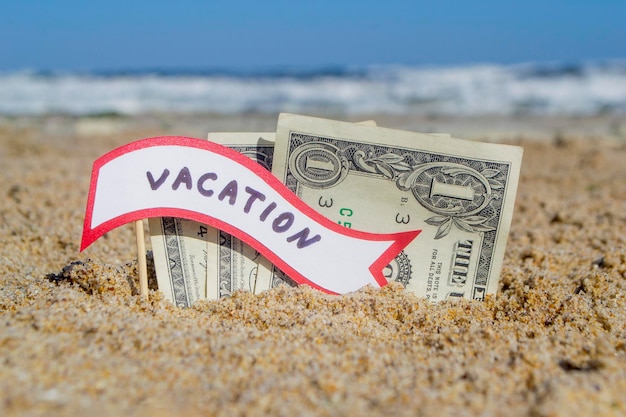
Timing is everything in travel economics. Flying to Europe in November instead of July can save you 40–60% on flights and accommodations, according to Forbes Advisor’s guide to saving money on travel. Shoulder season travel — the periods just before and after peak season — offers the sweet spot of decent weather and significantly lower prices. You’ll also enjoy fewer crowds and a more authentic local experience.
Research your destination’s low season carefully. Some places have off-seasons for good reasons, like monsoons or extreme temperatures. However, many destinations simply experience lower demand due to school schedules or traditional vacation periods. As a millennial with potentially flexible work arrangements, you can capitalize on these pricing fluctuations that families with school-age children cannot.
Build flexibility into your travel planning. If you can shift your dates by even a few days, you might unlock substantial savings. Use fare comparison tools like Google Flights, which displays an entire month of pricing in a calendar view, allowing you to identify the cheapest departure windows at a glance. This flexibility becomes your competitive advantage in the travel marketplace, allowing you to travel more often on the same budget.
Adopt a Minimalist Travel Mindset
Frequent travelers learn that experiences matter more than accommodations. Consider alternatives to hotels, such as hostels with private rooms, vacation rentals, or house-sitting arrangements. Platforms like Trusted Housesitters connect travelers with homeowners needing pet care, offering free accommodation in exchange for your services. This approach has gained significant traction among digital nomads and remote workers.
Minimize baggage fees by traveling with carry-on luggage only. This discipline forces you to pack smarter and saves $30–$60 per flight. It also gives you more flexibility to book budget airlines that offer incredible base fares but charge heavily for checked bags. Airlines including Spirit, Frontier, and Allegiant have built their entire pricing model around low base fares with à la carte fees, which means carry-on-only travelers capture the most savings. The capsule wardrobe approach to travel has become increasingly popular for good reason — it works.
Eat like locals do. Skip tourist-trap restaurants near major attractions and venture into neighborhoods where residents actually live. Street food, local markets, and grocery stores offer authentic culinary experiences at a fraction of restaurant prices. This strategy enhances cultural immersion while protecting your budget, creating a win-win scenario for the conscious traveler.
Leverage Technology to Find the Best Deals

Modern flight search technology has democratized travel deals. Google Flights, Skyscanner, and Hopper use sophisticated algorithms to predict price trends and alert you to deals. Set up price alerts for routes you’re interested in, even if you don’t have specific travel dates yet. These notifications help you recognize genuinely good deals when they appear. Hopper’s internal data, cited in Forbes Advisor’s travel research, shows that booking domestic flights 1–3 months in advance and international flights 2–6 months in advance tends to yield the lowest fares.
Incognito mode is your friend when searching for flights. Airlines and booking sites sometimes increase prices based on your search history. Clear your cookies or use private browsing to ensure you see the most neutral pricing. Some travelers swear by searching on Tuesday afternoons, though the data on optimal booking times remains mixed.
Consider alternative airports and routes. Flying into a smaller airport 50 miles from your destination might save hundreds of dollars. Budget carriers like Southwest, Spirit, and Frontier don’t always appear in meta-search engines, so check their websites directly. Multi-city tickets sometimes cost less than round-trips, especially when you can position yourself strategically for your next adventure.
The travelers who consistently find the best deals are not the ones searching harder — they are the ones who have set up automated alerts and trained themselves to act quickly when a genuine opportunity surfaces. Hesitation is the enemy of a mistake fare,
says Marcus Okafor, CFA, Senior Travel Economics Analyst at the Global Consumer Travel Federation.
Maximize Credit Card Rewards Strategically
Travel rewards credit cards have evolved into powerful financial tools when used responsibly. Cards like the Chase Sapphire Preferred or Capital One Venture offer sign-up bonuses worth $500–$750 in travel value, as detailed in NerdWallet’s best travel credit cards ranking. The key is paying off balances monthly to avoid interest charges that would negate any benefits. Carrying a revolving balance on a rewards card — where APRs commonly run between 19% and 28% — can erase months of points accumulation in a single billing cycle. This requires discipline but pays substantial dividends for frequent travelers.
Understand the difference between airline-specific cards and flexible points programs. Flexible programs — such as Chase Ultimate Rewards, American Express Membership Rewards, and Capital One Miles — typically offer better value because they allow transfers to multiple airline and hotel partners. This flexibility becomes crucial when award availability is limited or when you want to try different carriers. The points and miles game has a learning curve, but even basic strategies yield impressive results.
Stack rewards by using shopping portals, dining programs, and category bonuses. Many credit cards offer 3–5x points on travel and dining purchases. Combine this with airline shopping portals that offer additional miles per dollar spent, and you’re effectively getting paid to make purchases you’d make anyway. It is worth noting that applying for multiple credit cards in a short window can temporarily affect your FICO Score, since each hard inquiry is recorded by credit bureaus including Experian, Equifax, and TransUnion — so pace applications strategically. Personal finance experts consistently recommend this approach for maximizing travel frequency without increasing spending.
| Travel Credit Card | Sign-Up Bonus Value | Points Earning Rate (Travel & Dining) | Annual Fee | Points Program |
|---|---|---|---|---|
| Chase Sapphire Preferred | $750 | 3x–5x points | $95 | Chase Ultimate Rewards |
| Capital One Venture Rewards | $500 | 2x miles (all purchases) | $95 | Capital One Miles |
| American Express Gold Card | $600 | 4x points (dining & groceries) | $250 | Amex Membership Rewards |
| Citi Strata Premier Card | $500 | 3x points (travel, dining, groceries) | $95 | Citi ThankYou Points |
| Bank of America Travel Rewards | $250 | 1.5x points (all purchases) | $0 | Bank of America Travel Center |
Utilize Price Tracking and Comparison Tools
Technology has eliminated the excuse of not finding good deals. Apps like Hopper predict whether flight prices will rise or fall, advising you when to book. Hotel Tonight offers last-minute accommodation deals, perfect for spontaneous trips or flexible travelers. These platforms use machine learning to analyze millions of data points, giving you insights that were previously available only to industry insiders.
Browser extensions like Honey and Capital One Shopping automatically search for coupon codes and better prices while you shop online. This passive approach to savings requires zero effort after initial setup. For travel bookings specifically, extensions can compare prices across multiple booking sites simultaneously, ensuring you never overpay due to incomplete research.
Subscribe to deal newsletters like Going (formerly Scott’s Cheap Flights). These services employ human researchers and algorithms to find mistake fares and exceptional deals, delivering them directly to your inbox. The free tier provides tremendous value, while premium subscriptions — priced at approximately $49 per year — offer even more curated, first-access options. Many frequent travelers credit these services with enabling trips they never thought possible on their budgets. Similarly, services like Dollar Flight Club and Secret Flying surface deeply discounted international fares that disappear within hours of going live.
Frequent travel doesn’t require financial recklessness or extreme sacrifice in other areas of your life. By implementing smart budgeting strategies and leveraging the digital tools at your disposal, you can transform travel from an occasional indulgence into a regular part of your lifestyle. The integration of fintech solutions — from high-yield savings accounts to sophisticated rewards programs — has made strategic travel more accessible than ever before.
Start with one or two strategies from this article and gradually incorporate others as they become habits. Your future self — relaxing on a beach in Thailand or exploring a European city — will thank you for the financial discipline and strategic thinking you’re developing today. The world is waiting, and with the right approach, you can explore it without compromising your long-term financial security.
Frequently Asked Questions
How much money do I need to save each month to travel more often?
Saving as little as $100–$150 per month — roughly $1,200–$1,800 per year — is enough to fund one to two domestic trips or contribute significantly toward an international trip annually. The exact amount depends on your destination and travel style, but automating even a small recurring transfer to a dedicated high-yield savings account at institutions like SoFi or Ally Bank is the most reliable starting point.
What is the best travel rewards credit card for beginners?
The Chase Sapphire Preferred is widely considered the best entry-level travel rewards card, offering a sign-up bonus worth approximately $750 in travel value and earning 3x–5x points on travel and dining, according to NerdWallet’s travel card rankings. For those who want no annual fee, the Bank of America Travel Rewards card is a strong alternative. Always pay the full balance monthly — carrying a balance at a typical APR of 19–28% will quickly erase any rewards earned.
Does using incognito mode actually lower flight prices?
Using incognito or private browsing mode prevents airlines and booking sites from reading your search history cookies, which some platforms use to display higher prices to returning visitors. While the effect is not always dramatic, it costs nothing to use and is broadly recommended by travel deal researchers as a baseline precaution when searching for flights.
When is the cheapest time to book international flights?
For most international routes, booking 2–6 months in advance tends to yield the best fares. Hopper’s pricing data consistently shows that last-minute international bookings are significantly more expensive than those made in this window. Flying during shoulder season — typically one to two months before or after peak tourist season — compounds the savings by reducing both airfare and accommodation costs by 40–60%.
Will applying for travel credit cards hurt my credit score?
Each new credit card application triggers a hard inquiry, which can temporarily lower your FICO Score by 5–10 points, according to data published by Experian. This effect is short-lived for most consumers, typically fading within 12 months. Spacing applications at least six months apart and maintaining low credit utilization across existing accounts minimizes any lasting impact on your credit profile.
Is house-sitting a legitimate way to get free accommodation while traveling?
Yes. Platforms like Trusted Housesitters operate a vetted, two-sided marketplace connecting homeowners with travelers willing to care for pets or properties in exchange for free accommodation. Members pay an annual subscription fee — starting at approximately $129 per year — and can access listings in over 130 countries. The model has become a cornerstone strategy for long-term travelers and digital nomads seeking to dramatically reduce accommodation costs.
Do budget airlines like Spirit and Frontier really save you money overall?
Budget carriers can save 30–70% on base fares compared to legacy airlines, but only when you travel carry-on only and skip optional add-ons. Spirit, Frontier, and Allegiant charge separately for seat selection, carry-on bags, and in-flight refreshments. Travelers who pack a personal item only and decline all extras consistently capture the lowest total cost. Always compare the all-in price — including fees — before assuming a budget carrier is cheaper.
What are flexible points programs and why are they better than airline-specific miles?
Flexible points programs — including Chase Ultimate Rewards, American Express Membership Rewards, Capital One Miles, and Citi ThankYou Points — allow you to transfer your points to multiple airline and hotel partners rather than locking you into a single carrier. This is advantageous because award seat availability varies widely by airline; having transfer options means you can route around limited inventory. Most travel finance experts recommend flexible programs as the foundation of any points strategy for this reason.
How do deal alert services like Going find cheaper flights than I can find myself?
Services like Going employ both human fare analysts and automated scanning systems that monitor hundreds of routes continuously, including airline pricing errors — commonly called mistake fares — that can price international business class at economy rates. Because these deals are corrected within hours, having an alert service push them directly to your inbox dramatically increases your odds of booking before inventory disappears. The free tier covers economy deals, while the premium tier (approximately $49 per year) includes premium-cabin mistake fares and first-access notifications.
Can I travel frequently on a budget without using credit card rewards at all?
Absolutely. The off-season booking strategy, carry-on-only travel, shoulder-season flexibility, house-sitting, eating at local markets, and using price-tracking tools like Google Flights and Skyscanner are all entirely independent of credit cards. Travelers who automate $100–$200 per month into a dedicated high-yield savings account and book strategically can realistically take two to four trips per year without any rewards program involvement.
Keep Reading
If you found this article helpful, check out these related guides:
- Hidden Costs of Travel: Transfers and Insurance
- Budget Travel Hacks That Still Work
- Strategies to Save Money on Trips, Flights and Hotels
References
- NerdWallet. “Best Travel Credit Cards of 2026.” https://www.nerdwallet.com/best/credit-cards/travel
- Consumer Financial Protection Bureau. “Shopping for a mortgage? Don’t let it hurt your credit.” https://www.consumerfinance.gov/about-us/blog/shopping-mortgage-dont-let-it-hurt-your-credit/
- Forbes Advisor. “How To Save Money On Travel.” https://www.forbes.com/advisor/travel/how-to-save-money-on-travel/
- Experian. “How Credit Inquiries Affect Your Credit Score.” https://www.experian.com/blogs/ask-experian/how-credit-inquiries-affect-your-credit-score/
- Going (formerly Scott’s Cheap Flights). “How We Find Cheap Flights.” https://www.going.com/guides/how-we-find-cheap-flights






