
Fact-checked by the ZeroinDaily editorial team
Quick Answer
To find cheap last-minute flights in July 2025, use fare alert tools like Google Flights and Hopper, book on Tuesday or Wednesday for the best deals, and check airline error fares and standby lists. Most travelers can secure last-minute savings of up to 40% off standard fares by following these five steps — no VPN tricks required.
Finding cheap last-minute flights in July 2025 is more achievable than most travelers think — and you do not need a VPN or incognito browsing trick to do it. According to Hopper’s airfare research, domestic flights booked within seven days of departure average around $150 more than optimal advance purchases, but specific strategies can close that gap significantly. The key is knowing which tools to use, which days to book, and where to look for deals that most travelers miss.
Airlines are under mounting pressure to fill empty seats as 2025 sees record passenger demand following post-pandemic travel normalization. The International Air Transport Association (IATA) projects global air travel to surpass 4.7 billion passengers in 2025. That volume means airlines run aggressive last-minute discounting to avoid flying half-empty planes — a window savvy travelers can exploit.
This guide is for anyone who needs to book a flight on short notice and wants to pay as little as possible. Whether you have 48 hours or seven days before departure, following these steps will show you exactly how to find genuine last-minute flight deals using tools that are free, legal, and fully effective.
Key Takeaways
- Booking 1–3 weeks before departure is the sweet spot for domestic last-minute deals, according to Expedia’s booking data.
- Tuesday and Wednesday departures are consistently the cheapest days to fly, saving travelers an average of $85 compared to Friday departures, per Hopper’s fare analysis.
- Google Flights’ Price Guarantee feature refunds the difference if fares drop after booking, making it one of the safest tools for last-minute purchases.
- Fare alert services like Scott’s Cheap Flights (Going) have helped members save an average of $550 per round-trip ticket, according to Going’s published statistics.
- Flexible destination searches on platforms like Kayak Explore can reveal fares 30–60% lower than your original target destination on the same travel dates.
- Airline loyalty programs and travel credit cards can unlock last-minute award seats that are not visible to the general public.
In This Guide
- Step 1: Which tools should I use to find cheap last-minute flights?
- Step 2: What are the best days and times to book last-minute flights?
- Step 3: How do I use flexible search to find the cheapest available flights?
- Step 4: How do I set up fare alerts to catch last-minute price drops?
- Step 5: How do I find last-minute deals directly from airlines?
- Step 6: Can I use reward points or miles to book last-minute flights cheaply?
- Frequently Asked Questions
Step 1: Which Tools Should I Use to Find Cheap Last-Minute Flights?
The best tools for finding cheap last-minute flights are Google Flights, Hopper, Kayak, and Going (formerly Scott’s Cheap Flights) — each serves a different purpose in your search. Using a combination of these platforms gives you the broadest view of available fares and prevents you from anchoring to a single booking channel that may not show all options.
How to Do This
Google Flights is the most powerful free tool for last-minute searches. Its calendar view lets you scan an entire month of fares at a glance, and the “Explore” map function shows you the cheapest destinations from your home airport. Open Google Flights, enter your departure city, leave the destination blank, and click the map icon to see color-coded fare ranges globally.
Hopper uses machine learning to predict whether fares will rise or fall. According to Hopper’s published accuracy data, the app predicts fare movements with 95% accuracy up to one year in advance. For last-minute searches, Hopper’s “Watch” feature monitors a specific route and alerts you the moment a price drop occurs.
Going (formerly Scott’s Cheap Flights) focuses on error fares and flash sales. A free membership delivers periodic deal alerts, while the premium tier at $49 per year unlocks elite deals often 50–90% off standard rates. Going’s editorial team manually vets each fare before sending alerts, which filters out misleading deals common on aggregator sites.
Kayak adds value through its “Price Forecast” tool, which advises whether to buy now or wait. For short booking windows under seven days, Kayak typically recommends booking immediately rather than waiting for further drops.
What to Watch Out For
Aggregator tools sometimes display fares that are unavailable by the time you click through to book. Always complete your booking on the airline’s official site when possible to avoid hidden fees added by third-party platforms.
Open Google Flights in a regular browser window — not incognito. Dynamic pricing is driven by demand signals from all users, not by your personal browsing history. Incognito mode does not lower fares, but refreshing searches across multiple devices can sometimes surface different cached results.
Step 2: What Are the Best Days and Times to Book Last-Minute Flights?
Booking on Tuesday or Wednesday — and targeting departures on the same days — consistently produces the cheapest last-minute fares. Airlines typically release new fare sales on Monday evenings, and competing carriers match those prices by Tuesday morning, creating a brief window of lower rates mid-week.
How to Do This
Set a reminder to search for fares between 8 a.m. and noon on Tuesday or Wednesday. According to Expedia’s annual Air Travel Hacks Report, travelers who book on Sunday pay on average $76 more than those who book mid-week for the same routes. The gap is even wider for international flights.
For departure day, Tuesday, Wednesday, and Saturday are the three cheapest days to fly. Friday and Sunday are the most expensive because they align with peak business and leisure travel demand. If your schedule has any flexibility, even a one-day shift in departure can save $50–$120 on a domestic round trip.
Early morning flights — departing before 7 a.m. — are also cheaper than midday or evening departures. Fewer travelers want the 5:30 a.m. slot, so airlines price those seats lower to fill them. For a last-minute traveler willing to set an early alarm, this is a reliable savings lever.
What to Watch Out For
The “best day to book” advice assumes some flexibility in your travel dates. If you have a fixed departure date, focus instead on the booking time of day and the tools in Step 1 rather than waiting for a specific weekday.
According to Expedia’s research, travelers who fly on Wednesday instead of Friday save an average of $85 per domestic round trip. Over two trips per year, that is more than $170 in annual savings from a single scheduling adjustment.

Step 3: How Do I Use Flexible Search to Find the Cheapest Available Flights?
Using flexible destination and date search features — available on Google Flights, Kayak, and Skyscanner — is one of the most effective ways to find cheap last-minute flights because it removes the constraint of a fixed itinerary. When you search “anywhere” from your airport, you often discover deals that are 40–60% cheaper than your original target route.
How to Do This
On Google Flights, enter your departure airport and type “Everywhere” in the destination field. The results map highlights destinations by price range. Filter by your available dates, and sort by price to find the absolute lowest fares available from your city.
Skyscanner’s “Everywhere” search works similarly. Type your departure airport, set the destination to “Everywhere,” and choose “Cheapest Month” for the date. Skyscanner will display a ranked list of destinations with the current cheapest round-trip fare. This tool is particularly useful for international last-minute travel where fare gaps between destinations can be dramatic.
Kayak Explore adds a visual map layer with budget sliders. Set a maximum budget — say, $300 round trip — and the map shades every accessible destination in green. This is ideal for travelers with an open agenda who prioritize price over a specific destination.
For dates, use the “flexible dates” toggle on Google Flights to see prices plus or minus three days from your target. A single-day shift in departure often reveals fares $50–$100 lower with no other trade-offs.
What to Watch Out For
Flexible destination searches show one-way or round-trip fares based on the cheapest available seat class. Always click through to confirm the full itinerary — some very cheap fares involve two or three connections or long layover times that may not be practical for your trip.
| Tool | Best Use Case | Flexible Search Feature | Cost | Average Savings Reported |
|---|---|---|---|---|
| Google Flights | Date and destination flexibility | Explore map, flexible dates toggle | Free | Up to 40% on flexible routes |
| Hopper | Fare prediction and monitoring | Price watch, calendar view | Free (add-ons cost $5–$10) | $50–$100 per booking |
| Going (Scott’s Cheap Flights) | Error fares and flash sales | Email alerts, no self-search | Free / $49 per year premium | $550 average per round trip |
| Kayak Explore | Budget-capped destination discovery | Map with price filters | Free | 30–60% vs. fixed searches |
| Skyscanner | International flexible searches | “Everywhere” destination, cheapest month | Free | Varies by region, avg. 25–35% |
Skyscanner processes over 100 million searches per month across its platform. Its “Everywhere” feature was the first of its kind when launched and remains one of the most-used flexible travel search tools in the world, according to the company’s own published usage data.
Step 4: How Do I Set Up Fare Alerts to Catch Last-Minute Price Drops?
Setting up fare alerts on Google Flights, Hopper, and Going is the most passive and reliable method for catching last-minute price drops without checking booking sites repeatedly. Alerts notify you the moment a fare drops below a threshold you set, so you can book immediately before inventory disappears.
How to Do This
On Google Flights, run a search for your route and dates, then toggle on the “Track prices” switch near the top of the results. Google will email you when prices drop or rise on that route. You can track up to unlimited routes simultaneously, making it ideal if you are comparing several potential destinations.
In the Hopper app, search for your flight and tap “Watch This Trip.” Hopper monitors the fare and sends a push notification when it recommends buying. The app also shows a historical price chart for that route, so you can see whether current prices are above or below average.
Going’s premium membership sends curated alerts directly to your inbox. These are not automated price-match alerts — they are manually identified deals, including mistake fares that airlines accidentally publish. Going members in 2024 received alerts for business class transatlantic fares as low as $800 round trip, compared to a typical $3,000–$5,000 price point, according to Going’s deal archive.
For SMS alerts, Airfarewatchdog and Fare Drop are two additional services worth enabling. Airfarewatchdog focuses on domestic U.S. routes and is free to use. Fare Drop uses an AI-powered engine to alert users when fares drop on saved routes and has a clean, simple interface for managing multiple trip searches.
What to Watch Out For
Fare alerts have a short response window. Last-minute sale fares — particularly error fares — can sell out in under two hours. When you receive an alert, do not delay more than 30 minutes before deciding whether to book.
“The travelers who consistently get the best last-minute fares are not the ones refreshing booking sites manually. They are the ones who set alerts on three or four platforms simultaneously and respond fast when the alert fires. Speed is the only real edge in last-minute travel.”
Not all “last-minute deal” email lists are reputable. Some third-party alert services mark up fares before displaying them as deals. Always cross-reference any alerted fare on Google Flights or the airline’s direct website before booking through a third-party platform.

Step 5: How Do I Find Last-Minute Deals Directly From Airlines?
Booking directly with airlines — through their websites, apps, and email lists — often surfaces deals that third-party aggregators never show. Many carriers run exclusive last-minute sales in the 48–72 hours before departure to fill unsold seats, and these fares are published only on their own channels.
How to Do This
Subscribe to the email newsletter of every airline that serves your home airport. Southwest Airlines sends “Ding!” fare alerts for same-week travel. Delta, United, and American Airlines all run weekly sale emails, typically released on Tuesday. Spirit, Frontier, and Allegiant run aggressive flash sales, often with base fares under $30 one-way for routes departing within a week.
Download the airline’s app and enable push notifications. Several carriers — including Delta and JetBlue — offer app-exclusive last-minute fares not available on their desktop site or any aggregator. Delta’s “Delta Vacations Last-Minute Deals” section, accessible via the app, lists packages and flights departing within 14 days at discounted rates.
Check airline social media accounts. Southwest, JetBlue, and Alaska Airlines have all historically posted flash fare sales on Twitter/X and Instagram before updating their websites. Following these accounts can give you a five-to-ten minute head start on booking before inventory sells out.
For international travel, check the airline’s country-specific website for your destination. Carriers sometimes price the same route cheaper when accessed through the destination country’s domain due to local competition. This is a legitimate pricing variation — not a VPN workaround — that reflects real market differences.
What to Watch Out For
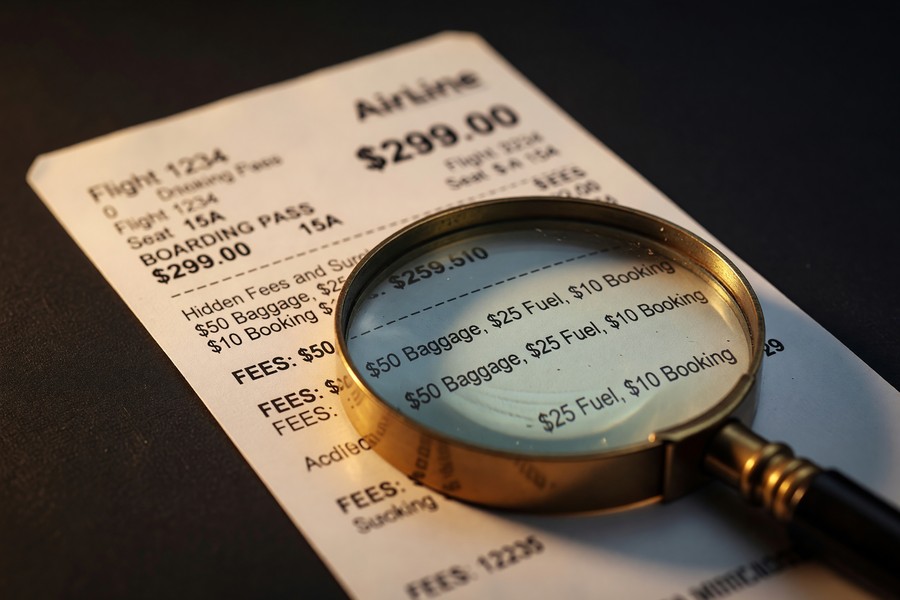
Ultra-low-cost carrier (ULCC) fares from Spirit, Frontier, and Allegiant often exclude carry-on bags from the base fare. A $29 base fare can become $80–$110 once you add a carry-on and seat selection. Always calculate the total cost including bag fees before comparing to a legacy carrier’s all-in price. For a detailed look at hidden travel costs, see our guide on hidden costs of travel, transfers, and insurance.
Use the airline’s own booking app and select “flexible dates” or “lowest fare calendar” when searching last-minute. Most major U.S. carriers now display a fare calendar showing the cheapest available day within a 30-day window — this takes less than 60 seconds to check and frequently reveals a cheaper travel date you had not considered.
Step 6: Can I Use Reward Points or Miles to Book Last-Minute Flights Cheaply?
Yes — using airline miles or credit card reward points for last-minute bookings is often the single best way to get cheap last-minute flights, because award availability on short-haul routes frequently opens up within 72 hours of departure as airlines release unsold revenue seats. This strategy works best for travelers who have accumulated miles in a major loyalty program.
How to Do This
Check award availability on United MileagePlus, Delta SkyMiles, and American AAdvantage directly on the airline’s website. Use the award calendar view to search by month and filter for “miles only” results. Last-minute domestic award bookings often require 12,500–25,000 miles one-way for economy, which represents strong value when the cash fare is $300 or higher.
American Express Membership Rewards, Chase Ultimate Rewards, and Capital One Miles all allow point transfers to multiple airline partners. If your preferred airline has no award space, transfer points to a partner airline that does — for example, transferring Chase points to Air France/KLM Flying Blue can unlock seats on Delta’s network at a lower mile cost than booking directly through Delta’s own program. For a full breakdown of how to maximize this, see our guide on using travel reward points for maximum value in 2026.
For hotel-style last-minute flexibility in the air, Southwest’s Wanna Get Away Plus fares allow same-day changes with no fee — giving you a low cash fare with the flexibility typically reserved for full-fare tickets. Southwest also does not charge for two checked bags, which reduces the total trip cost meaningfully.
If you travel frequently and hold a travel rewards credit card with a companion certificate or annual travel credit, apply that benefit to a last-minute booking first before spending cash or miles. Many travel cards offer $300–$500 in annual travel credits that reset yearly — a last-minute trip is an ideal time to use them. Our roundup of best travel credit cards for frequent flyers covers the top options available in 2025.
What to Watch Out For
Many airlines now add fuel surcharges to partner award bookings, which can add $150–$400 to what appears to be a “free” award ticket. Always check the total cost including taxes and carrier surcharges before committing points. Book directly through the operating carrier’s own program when possible to minimize surcharges.
“Last-minute award redemptions are genuinely one of the best-kept secrets in travel. Airlines often release premium cabin award space in the final 72 hours because they would rather have a loyal customer in that seat than fly it empty. If you have the miles and the flexibility, this window is worth watching every time.”
Beyond miles, consider using a budgeting app to set aside a dedicated travel fund each month. Having liquid savings specifically earmarked for travel means a last-minute opportunity never becomes a financial stress decision. Even setting aside $50 per month creates a $600 annual travel buffer — enough to cover most domestic last-minute fares outright.
If you are planning a longer trip, you may also find inspiration in our guide to budget travel hacks that still work, which covers complementary strategies for keeping overall trip costs low beyond just the flight.
Frequently Asked Questions
How far in advance should I book a last-minute flight to get the best price?
The optimal last-minute booking window for domestic flights is 1–3 weeks before departure, not the final 48 hours. According to Expedia’s booking data, fares within 7 days of departure spike sharply as remaining inventory shrinks. If you have any flexibility, aim for the 14–21 day window to balance last-minute pricing with seat availability.
Does searching in incognito mode actually get you cheaper flights?
No — searching in incognito mode does not lower flight prices. Airlines and booking platforms use demand-based dynamic pricing driven by global search volume, not your personal browsing history or cookies. The myth persists because prices can appear to change between searches, but this reflects real-time inventory updates, not personalized tracking of your device.
What is the cheapest day of the week to book a last-minute flight?
Tuesday and Wednesday are consistently the cheapest days to book, with fares typically $50–$85 lower than weekend bookings on the same route, according to Hopper’s fare analysis. Airlines release new sale fares on Monday evenings, and competitor airlines match those prices by Tuesday morning — creating a brief mid-week pricing dip that lasts until inventory on those sale fares runs out.
Are cheap last-minute international flights possible, or only domestic?
Cheap last-minute international flights are possible but require a different strategy. International routes have fewer seats and less flexible demand, so deep last-minute discounts are rarer. Your best options are: watching for error fares through Going, searching flexible destinations on Skyscanner, and checking award availability on partner airline programs. The best last-minute international deals typically appear 2–4 weeks out, not within 72 hours.
Should I book directly with the airline or through a third-party site for last-minute flights?
Booking directly with the airline is generally better for last-minute travel. Direct booking gives you easier access to customer service, same-day change flexibility, and any app-exclusive deals the airline is running. Third-party platforms like Expedia or Priceline may show a slightly lower headline fare but add service fees of $10–$30 per ticket and can complicate rebooking if your flight is cancelled or delayed.
What happens if a cheap last-minute flight I booked gets cancelled?
If your flight is cancelled by the airline, you are entitled to a full refund under U.S. Department of Transportation rules, regardless of the fare type. You are also entitled to rebooking on the next available flight at no extra charge. Travel insurance can cover additional costs like accommodation if the cancellation strands you overnight — see our overview of what travel insurance covers and whether you need it for more detail.
Can I find cheap last-minute business class flights?
Yes — last-minute business class deals appear most reliably through award redemptions and upgrade bids, not cash bookings. Airlines like Lufthansa, Air France, and Delta run cash upgrade auctions in the final 48 hours via apps and email. Award seats in business class also open up within 72 hours on many long-haul routes. Cash last-minute business class fares, however, are rarely discounted — they are typically the most expensive fares available on short notice.
Is it worth using a travel agent to find last-minute cheap flights?
For most straightforward domestic or simple international routes, a travel agent adds limited value over the DIY tools described in this guide. However, for complex multi-leg itineraries or during peak travel disruptions, a travel agent with access to Global Distribution System (GDS) inventory may find seats and combinations not visible on consumer-facing platforms. Full-service agents typically charge fees of $30–$75 per booking, which is only worth it if the complexity of your itinerary justifies the cost.
How do I find cheap last-minute flights for a group of people?
Group last-minute bookings are the hardest use case because multiple seats on the same flight at a discounted fare are rarely available simultaneously. The best approach is to search for seats individually rather than as a group — booking two separate single tickets often costs less than booking two seats together when inventory is limited. For groups of five or more, contact the airline’s group sales desk directly, as they sometimes hold unpublished block inventory for last-minute group requests.
Sources
- Hopper — Airfare Research and Fare Prediction Data
- Expedia — Air Travel Hacks Report: Cheapest Days to Book Flights
- IATA — 2025 Passenger Forecast Press Release
- Going (formerly Scott’s Cheap Flights) — How to Find Cheap Flights
- U.S. Department of Transportation — Fly Rights: Passenger Protections
- Skyscanner — When Is the Cheapest Time to Book Flights
- View from the Wing — Airline Miles and Award Travel Analysis
- NerdWallet — How to Find Cheap Flights
- Kayak — How Kayak’s Price Forecast Tool Works
- Airfarewatchdog — Domestic Fare Alerts and Last-Minute Flight Deals






