

Managing your money in 2026 doesn’t have to feel like a second job. The right tech tools can transform tedious financial tasks into quick, automated processes that actually save you time and money. We’ve tested dozens of productivity apps to find the ones that deliver real results for your budget and banking needs.
AI Assistants Cut Your Budget Planning Time
Remember when creating a monthly budget meant hunching over spreadsheets for hours? Those days are officially over. AI-powered budget assistants have evolved dramatically since their clunky 2023 predecessors. Today’s tools learn your spending patterns, predict upcoming expenses, and adjust your budget in real-time without constant manual input.
The latest AI assistants integrate directly with your bank accounts and credit cards. They categorize transactions automatically with over 95% accuracy. What used to take you two hours every month now happens instantly in the background. These smart tools even catch unusual charges and alert you before small problems become big ones.
Popular options like Monarch Money and YNAB now include conversational AI features. You can literally ask, “Can I afford a $500 weekend trip next month?” and get an answer based on your actual spending trends and upcoming bills. The AI considers your historical data, seasonal spending patterns, and financial goals. It provides nuanced advice that goes way beyond simple math.
How AI Budget Tools Actually Work

These platforms connect to your financial accounts through secure API connections. The AI analyzes millions of data points from your transaction history. It identifies patterns you’d never spot manually, like that subscription service quietly charging you $15 monthly that you forgot about two years ago.
The machine learning algorithms get smarter with each transaction. They recognize when your grocery spending spikes during holidays. They learn that your utility bills jump in summer and winter. This predictive capability lets you plan more accurately for irregular expenses that traditionally derail budgets.
Privacy remains a legitimate concern with AI financial tools. Reputable platforms use bank-level encryption and never sell your data to third parties. Look for services that comply with SOC 2 Type II standards and offer two-factor authentication. Your financial information deserves the highest security measures available.
Setting Up Your AI Budget Assistant
Getting started takes about 15 minutes, not the hours you’d expect. Most platforms guide you through linking your accounts with step-by-step instructions. You’ll set basic parameters for spending categories and savings goals. Then the AI takes over the heavy lifting.
The first month serves as a learning period for the system. You’ll receive daily notifications about your spending and progress toward goals. These nudges keep you accountable without feeling overwhelming. Many users report saving an average of $300 monthly just from increased awareness their AI assistant provides.
Don’t expect perfection immediately. You’ll need to correct a few categorization errors initially. The AI learns from these corrections and improves rapidly. By month two, most users report the system runs smoothly with minimal intervention required.
Smart Banking Apps That Save You Real Money

Traditional banking apps simply show you your balance and transaction history. Smart banking apps in 2026 actively work to increase that balance. These platforms combine multiple money-saving features into single, streamlined interfaces that put cash back in your pocket.
High-yield savings integration has become standard in top-tier banking apps. Apps like SoFi and Ally automatically sweep excess funds into accounts earning 4-5% APY. You set your target checking balance, and everything above that threshold moves to higher-earning accounts. This happens daily without any action from you.
Round-up features have gotten significantly more sophisticated too. Instead of just rounding purchases to the nearest dollar, apps now analyze your cash flow patterns. They transfer optimal amounts to savings when you can afford it. Some apps even negotiate bills on your behalf, saving users an average of $200-$300 annually on services like cable and insurance.
Features That Actually Matter
Cashback programs embedded in banking apps now rival dedicated credit card rewards. Debit cards from companies like Discover and Chase offer 1-5% back on common purchases. You earn rewards without the temptation to overspend that credit cards create. The money appears directly in your account, not as points you forget to redeem.
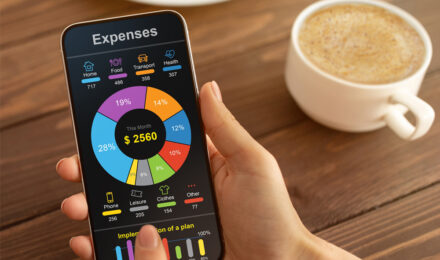
Real-time spending insights have transformed from novelty to necessity. Your app shows exactly how much you’ve spent in each category this month compared to last month. Visual dashboards make it easy to spot trends at a glance. You can course-correct before overspending becomes a problem.
Automated savings challenges gamify the process of building your emergency fund. Apps create personalized challenges based on your income and expenses. Completing micro-goals releases dopamine hits that make saving feel rewarding. This psychological approach works better than willpower alone for most people.
Security Features You Can’t Ignore
Smart banking apps handle your most sensitive information. They need bulletproof security measures. Look for apps offering biometric login, virtual card numbers for online shopping, and instant card freezing capabilities. These features should be standard, not premium add-ons.
Transaction alerts in 2026 use AI to detect fraudulent activity before it escalates. You’ll receive immediate notifications for unusual purchases or login attempts from new devices. Some apps require verbal confirmation for large transactions, adding an extra security layer. This proactive approach prevents fraud rather than just detecting it after the fact.
FDIC insurance coverage remains crucial even with cutting-edge technology. Verify that your smart banking app partners with FDIC-insured institutions. Your deposits should have protection up to $250,000. Fintech companies sometimes partner with multiple banks to extend coverage beyond standard limits.
Choosing the Right Banking App
Your ideal app depends on your specific financial situation and goals. Students and young professionals benefit from apps with no minimum balance requirements and robust budgeting tools. Families might prioritize apps with shared account features and kid-friendly financial education components.
Read the fine print about fees before committing. Some apps advertise as “free” but charge for ATM withdrawals or paper checks. Calculate whether premium tiers actually provide value for your usage patterns. Often, free versions offer everything most users need.
Test drive multiple apps using their free trials. Most platforms offer 30-60 day trial periods with full feature access. This hands-on experience reveals which interface feels most intuitive for your daily use. The best app is the one you’ll actually use consistently.
The productivity revolution in personal finance isn’t coming—it’s already here. AI budget assistants and smart banking apps have matured beyond gimmicky features into genuinely useful tools. They save you time, protect your money, and make financial management feel effortless. Start with one tool that addresses your biggest pain point, whether that’s budget planning or optimizing your savings. You’ll quickly wonder how you ever managed your money without these technological helpers working behind the scenes.
References
- NerdWallet – “Best Budgeting Apps of 2026” – https://www.nerdwallet.com/best/banking/budgeting-apps
- Forbes Advisor – “High-Yield Savings Accounts: What to Know” – https://www.forbes.com/advisor/banking/savings/best-high-yield-savings-accounts/
- Consumer Financial Protection Bureau – “Using Financial Apps Safely” – https://www.consumerfinance.gov/consumer-tools/money-as-you-grow/
Keep Reading
If you found this article helpful, check out these related guides:
- Online Tools That Make Money Management Easier
- How AI Finance Assistants Save Time And Boost Productivity
- Fintech Apps That Help You Save Without Thinking About It
Managing your money in 2026 doesn’t have to feel like a second job. The right tech tools can transform tedious financial tasks into quick, automated processes that actually save you time and money. We’ve tested dozens of productivity apps to find the ones that deliver real results for your budget and banking needs.
AI Assistants Cut Your Budget Planning Time
Remember when creating a monthly budget meant hunching over spreadsheets for hours? Those days are officially over. AI-powered budget assistants have evolved dramatically since their clunky 2023 predecessors. Today’s tools learn your spending patterns, predict upcoming expenses, and adjust your budget in real-time without constant manual input.
The latest AI assistants integrate directly with your bank accounts and credit cards. They categorize transactions automatically with over 95% accuracy. What used to take you two hours every month now happens instantly in the background. These smart tools even catch unusual charges and alert you before small problems become big ones.
Popular options like Monarch Money and YNAB now include conversational AI features. You can literally ask, “Can I afford a $500 weekend trip next month?” and get an answer based on your actual spending trends and upcoming bills. The AI considers your historical data, seasonal spending patterns, and financial goals. It provides nuanced advice that goes way beyond simple math.
How AI Budget Tools Actually Work
These platforms connect to your financial accounts through secure API connections. The AI analyzes millions of data points from your transaction history. It identifies patterns you’d never spot manually, like that subscription service quietly charging you $15 monthly that you forgot about two years ago.
The machine learning algorithms get smarter with each transaction. They recognize when your grocery spending spikes during holidays. They learn that your utility bills jump in summer and winter. This predictive capability lets you plan more accurately for irregular expenses that traditionally derail budgets.
Privacy remains a legitimate concern with AI financial tools. Reputable platforms use bank-level encryption and never sell your data to third parties. Look for services that comply with SOC 2 Type II standards and offer two-factor authentication. Your financial information deserves the highest security measures available.
Setting Up Your AI Budget Assistant
Getting started takes about 15 minutes, not the hours you’d expect. Most platforms guide you through linking your accounts with step-by-step instructions. You’ll set basic parameters for spending categories and savings goals. Then the AI takes over the heavy lifting.
The first month serves as a learning period for the system. You’ll receive daily notifications about your spending and progress toward goals. These nudges keep you accountable without feeling overwhelming. Many users report saving an average of $300 monthly just from increased awareness their AI assistant provides.
Don’t expect perfection immediately. You’ll need to correct a few categorization errors initially. The AI learns from these corrections and improves rapidly. By month two, most users report the system runs smoothly with minimal intervention required.
Smart Banking Apps That Save You Real Money
Traditional banking apps simply show you your balance and transaction history. Smart banking apps in 2026 actively work to increase that balance. These platforms combine multiple money-saving features into single, streamlined interfaces that put cash back in your pocket.
High-yield savings integration has become standard in top-tier banking apps. Apps like SoFi and Ally automatically sweep excess funds into accounts earning 4-5% APY. You set your target checking balance, and everything above that threshold moves to higher-earning accounts. This happens daily without any action from you.
Round-up features have gotten significantly more sophisticated too. Instead of just rounding purchases to the nearest dollar, apps now analyze your cash flow patterns. They transfer optimal amounts to savings when you can afford it. Some apps even negotiate bills on your behalf, saving users an average of $200-$300 annually on services like cable and insurance.
Features That Actually Matter
Cashback programs embedded in banking apps now rival dedicated credit card rewards. Debit cards from companies like Discover and Chase offer 1-5% back on common purchases. You earn rewards without the temptation to overspend that credit cards create. The money appears directly in your account, not as points you forget to redeem.
Real-time spending insights have transformed from novelty to necessity. Your app shows exactly how much you’ve spent in each category this month compared to last month. Visual dashboards make it easy to spot trends at a glance. You can course-correct before overspending becomes a problem.
Automated savings challenges gamify the process of building your emergency fund. Apps create personalized challenges based on your income and expenses. Completing micro-goals releases dopamine hits that make saving feel rewarding. This psychological approach works better than willpower alone for most people.
Security Features You Can’t Ignore
Smart banking apps handle your most sensitive information. They need bulletproof security measures. Look for apps offering biometric login, virtual card numbers for online shopping, and instant card freezing capabilities. These features should be standard, not premium add-ons.
Transaction alerts in 2026 use AI to detect fraudulent activity before it escalates. You’ll receive immediate notifications for unusual purchases or login attempts from new devices. Some apps require verbal confirmation for large transactions, adding an extra security layer. This proactive approach prevents fraud rather than just detecting it after the fact.
FDIC insurance coverage remains crucial even with cutting-edge technology. Verify that your smart banking app partners with FDIC-insured institutions. Your deposits should have protection up to $250,000. Fintech companies sometimes partner with multiple banks to extend coverage beyond standard limits.
Choosing the Right Banking App
Your ideal app depends on your specific financial situation and goals. Students and young professionals benefit from apps with no minimum balance requirements and robust budgeting tools. Families might prioritize apps with shared account features and kid-friendly financial education components.
Read the fine print about fees before committing. Some apps advertise as “free” but charge for ATM withdrawals or paper checks. Calculate whether premium tiers actually provide value for your usage patterns. Often, free versions offer everything most users need.
Test drive multiple apps using their free trials. Most platforms offer 30-60 day trial periods with full feature access. This hands-on experience reveals which interface feels most intuitive for your daily use. The best app is the one you’ll actually use consistently.
The productivity revolution in personal finance isn’t coming—it’s already here. AI budget assistants and smart banking apps have matured beyond gimmicky features into genuinely useful tools. They save you time, protect your money, and make financial management feel effortless. Start with one tool that addresses your biggest pain point, whether that’s budget planning or optimizing your savings. You’ll quickly wonder how you ever managed your money without these technological helpers working behind the scenes.
References
- NerdWallet – “Best Budgeting Apps of 2026” – https://www.nerdwallet.com/best/banking/budgeting-apps
- Forbes Advisor – “High-Yield Savings Accounts: What to Know” – https://www.forbes.com/advisor/banking/savings/best-high-yield-savings-accounts/
- Consumer Financial Protection Bureau – “Using Financial Apps Safely” – https://www.consumerfinance.gov/consumer-tools/money-as-you-grow/
Keep Reading
If you found this article helpful, check out these related guides:






)