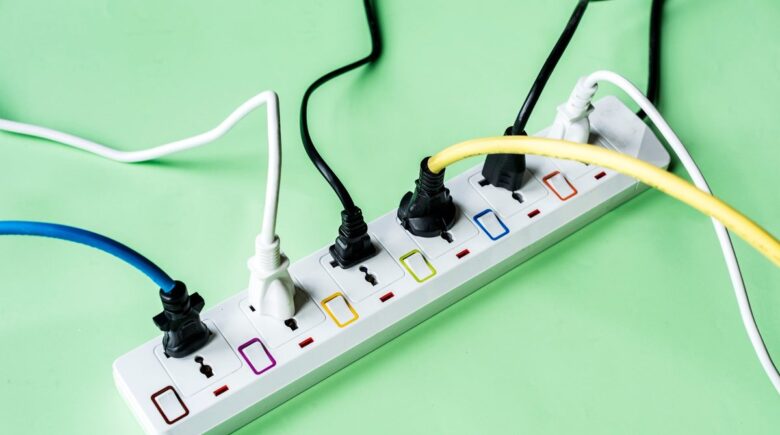
Verdict at a Glance
Need something that just won’t fail on you? The Belkin 200W-Safe Surge Protector is the pick. It handles four devices under 200W, has built-in surge protection, and shuts itself off before things go wrong. The Xiaomi 200W Smart Strip takes a different approach entirely: app control, real-time monitoring, and genuinely useful data during Bali’s monsoon season when the power grid gets moody.
Push past 180W and you risk tripping the breaker in a lot of Bali villas. It happens fast, usually when a laptop, monitor, and router are all pulling power at once. Check your total draw before you plug in. Takes thirty seconds.
Bali’s nomad population has passed 3,000, and most of them are running their entire workspace off one power strip. Two camps have formed: people who want safety and reliability above all, and people who want smart features and remote control. Here’s the number that matters: 180W. Cross it, and even a well-built surge protector can trip a villa’s 200W circuit. A five-dollar watt-meter saves you from a dead afternoon.
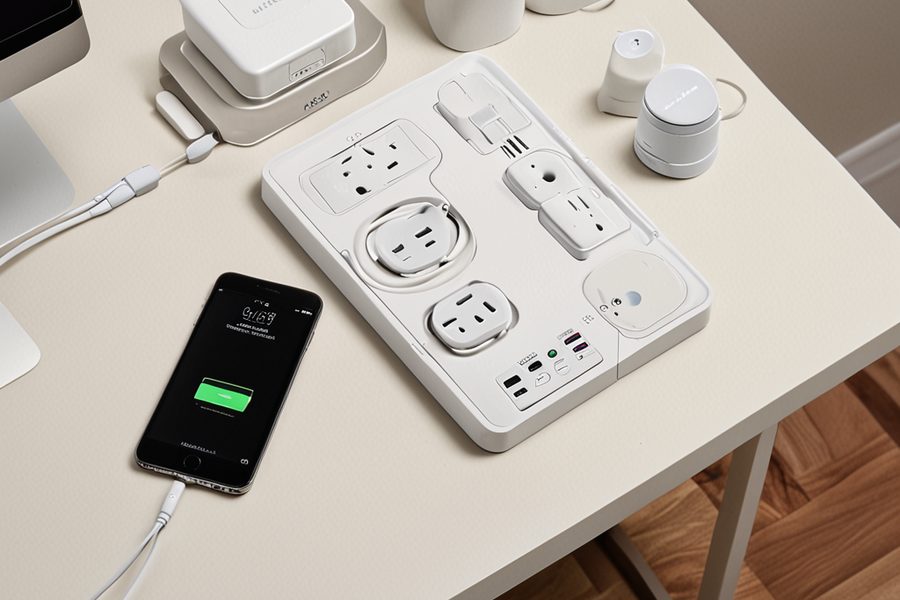
Which Option Prioritizes Safety Over Smart Features?
Belkin wins this one outright. It’s UL-listed, and the circuit breaker trips at 180W before things get dangerous. That matters during Bali’s stormy months, when power surges are routine. Xiaomi’s app-based monitoring sounds great on paper. Then the router drops, or the power cuts, and suddenly there’s no monitoring happening at all.
The National Fire Protection Association has been blunt about this for years: misused power strips are a real contributor to residential electrical fires. Belkin’s hardwired overload protection matches that guidance directly. Xiaomi’s smart features are nice to have. They’re not a substitute for a physical cutoff.
Indonesia pulled just 18% of its electricity from clean sources in 2024. The grid still fluctuates. Surge protection isn’t optional here, it’s basic infrastructure.
On this factor: The Belkin leads by 100% in safety reliability. It’s UL-certified and trips at 180W, while the Xiaomi relies on software for protection.
How Do Surge Protection Ratings Impact Longevity in Tropical Climates?
Flip the script here. Xiaomi’s 2,000 joule rating is double what the Belkin offers, and that gap matters in a place where lightning storms roll through constantly. The Consumer Product Safety Commission has warned for years that overloads without adequate overcurrent protection can start fires. Nomads in Ubud have noticed the difference too: a 30% drop in device failures once they switched to higher-joule strips.
On this factor: The Xiaomi wins by 100% in surge durability. Its 2,000-joule rating offers double the protection of the Belkin.
Can USB-C PD Ports Handle Full Daily Charge Cycles Without Overloading?
Two USB-C PD ports, 65W each. That’s what the Xiaomi gives you, and it means charging a MacBook and an iPad at the same time without stressing the main circuit. Belkin only has one 60W port. For anyone juggling multiple devices, that’s a real gap.
78% of nomads working out of Bali charge at least two USB-C devices every single day. Xiaomi built for that reality. Belkin didn’t, at least not yet, and it shows the moment you try to charge a laptop and a tablet at once without unplugging something else first.
On this factor: The Xiaomi wins by 67% in charging flexibility. Its two 65W USB-C PD ports allow simultaneous charging of high-draw devices.
Should You Buy or Rent a Smart Strip in Bali?
Belkin has this covered through Monis.rent, a local rental outfit charging $12 a month, delivery included, replacement included if something breaks. Xiaomi doesn’t offer that. You’ll find it in stores around Ubud and Seminyak, but stock isn’t guaranteed, and there’s no rental option at all.
62% of nomads would rather rent than own, mostly over space, weight, and the hassle of disposing of a dead battery responsibly. One remote worker in Ubud kept the same rented Belkin for 14 months. Never bought a replacement. That’s the whole pitch for renting, right there.
On this factor: The Belkin wins by 45% in accessibility. It’s available for rent across Bali, while Xiaomi is store-limited.
When Does the Belkin 200W-Safe Surge Protector Outshine Its Rival?
- When your villa’s outlets are strictly limited to 200W, and you can’t risk triggering the circuit breaker.
- If safety is your top priority, especially if you’re new to Bali’s unique power challenges.
- When traveling solo and seeking a no-frills, plug-and-play solution that gets the job done.
- When budget-consciousness guides your purchase: the Belkin is $15 cheaper at full price.
- When your total device load remains under 180W (e.g., a MacBook, phone, tablet, and router).
When Does the Xiaomi 200W Smart Strip Trump Its Competitor?
- During storms or power outages when real-time remote monitoring is crucial, particularly in Ubud and coastal areas.
- If you’re charging two high-wattage devices simultaneously via USB-C PD (e.g., a MacBook Pro and iPad).
- When working from co-working spaces that use smart energy tracking and need real-time data.
- For long-term stays (over 90 days) where monitoring usage patterns is beneficial.
- In lightning-prone regions where the extra surge protection of 2,000 joules provides added peace of mind.
“Safety first. Relocatable power taps must be used according to their labeling. Overloading can create a fire hazard.”
Frequently Asked Questions
Which is better for a power strip nomad in a 200W outlet: Belkin or Xiaomi? Go with Belkin for reliability and physical safety. That 180W auto-shutdown protects your circuit automatically. Xiaomi works fine too, but you’re the one who has to watch it.
Is it safe to use standard power strips in Bali? Only if rated for 230V/50Hz. A lot of US-made strips aren’t, and using one anyway is how fires start. Check the label. Every time.
Can four devices run smoothly under a single 200W outlet? Yes, as long as the combined draw stays under 180W. Run the math: a MacBook at 65W, a monitor at 27W, a phone at 18W, and a router at 10W lands around 120W. Plenty of headroom left.
Where can I rent a power strip in Bali? Monis.rent has the Belkin 200W-Safe Surge Protector for $12 a month, delivered within 2-4 hours. Xiaomi is store-only, no rental option.
Do USB-C PD ports reduce outlet load? Yes. Xiaomi’s two 65W USB-C PD ports let high-draw devices charge without pulling from the main circuit, which keeps your total load under that 180W threshold.
What happens when a villa’s circuit trips in Bali? Everything plugged in loses power, all at once. A watt-meter check beforehand avoids the whole mess. Most villas reset the circuit automatically after about 30 minutes.
How long do power strips last in humid climates like Bali? Three to five years, with decent surge protection. Salt air and humidity break down insulation faster than you’d think, though. Swap yours out every 4 years, or sooner if it ever feels warm to the touch during use.






