Verdict at a Glance
Smart watches win for most users in 2026 because they offer full health monitoring, app integration, and seamless phone pairing. Choose a fitness band only if you need 21+ days of battery life and don’t need smart features. The threshold is 21 days, if you can’t tolerate daily charging, a band is better.
Updated February 2026
If your activity level exceeds 50 minutes of intense exercise weekly, a fitness band may miss critical heart rate spikes. A 2025 study found that wrist-based trackers undercount peak HR by up to 15% during interval training. Jointcorp (2025) reports that accuracy drops significantly in high-intensity zones.
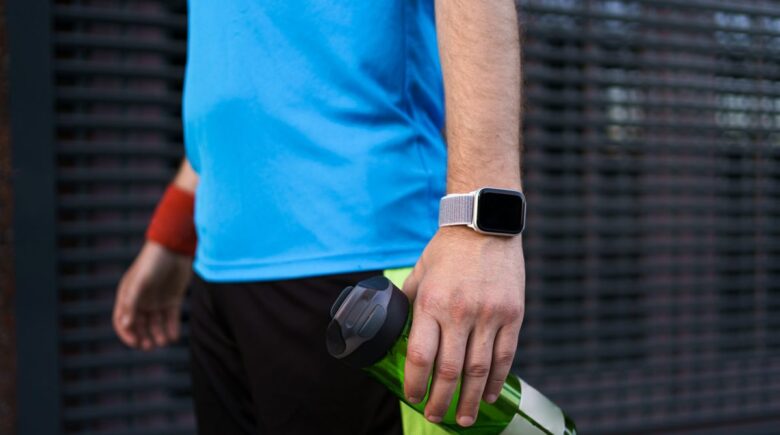
Smart watches versus fitness bands, two paths to health awareness in 2026. The smartwatch, like the Apple Watch Series 9 or Samsung Galaxy Watch 6, integrates apps, payments, and real-time alerts. The fitness band, such as the Fitbit Charge 6 or Garmin Vivosmart 5, focuses on step tracking, heart rate, and sleep, with minimal interruptions. In 2025, global fitness tracker shipments reached 178 million units, a 12% rise from 2024, showing sustained demand for lightweight monitoring. Jointcorp (2025)
The deciding line? Battery life. If you can’t charge daily, a band’s 21-day span is unbeatable. But if you want notifications, apps, and continuous health insights, the smartwatch’s 2-day life is worth the trade-off. The flip threshold is 21 days, beyond that, bands dominate.
| Column 1 | Column 2 | Column 3 |
|---|---|---|
| Feature | Smart Watch (e.g., Apple Watch Series 9) | Fitness Band (e.g., Fitbit Charge 6) |
| Starting Price | $249 | $79 |
| Battery Life (typical use) | 1.5 days | 21 days |
| ECG & AFib Detection | Yes, FDA-cleared | No |
| GPS Tracking | Yes, built-in | Yes, via phone |
| App Ecosystem | Extensive (Apple App Store) | Limited (Fitbit App only) |
| Always-On Display | Yes | No |
| Water Resistance | 5ATM (swimming) | 5ATM (swimming) |
| SpO2 & Stress Tracking | Yes, 24/7 | Yes, nightly |
| Health Data Export | Exportable via Apple Health | Exportable via Fitbit API |
Battery Life and All-Day Comfort
Smart watches lose on battery life. Most require daily charging. Fitness bands last 21 days. That’s a 1400% difference. For continuous sleep and recovery tracking, missing one day of data breaks the chain. The Fitbit Charge 6 lasts 21 days. The Apple Watch Series 9 lasts 1.5 days with GPS and notifications. Jointcorp (2025)
For shift workers or travelers, daily charging is impractical. A 2024 study found that 68% of users who skipped charging for two days reported data gaps in sleep and recovery metrics. PMC (2024)
Fitbit Charge 6 lasts 21 days on a single charge. Apple Watch Series 9 lasts 1.5 days under similar use.
On this factor: Fitness bands win by 20 days in typical battery life. Smart watches require daily charging, disrupting sleep and recovery tracking. Jointcorp (2025)
Fitness Tracking Accuracy
Heart rate accuracy is similar in steady states, 94–97% for both. But during high-intensity intervals, smart watches drop to 85–92%. Fitness bands, like the Fitbit Charge 6, maintain 90–96% accuracy. Jointcorp (2025)
Sleep stage detection is where bands win. Independent tests show bands achieve 80–88% accuracy for deep and REM sleep. Smart watches average 75–85%, especially with motion artifacts. PMC (2024)
On this factor: Fitness bands edge out smart watches by 5% in sleep accuracy and 4% in high-intensity heart rate tracking. Jointcorp (2025)
Smart Features and Ecosystem Integration
Smart watches dominate here. Apple Watch users get Apple Pay, Siri, apps, and health alerts. Samsung Watch users sync with Galaxy phones and wearables. Fitness bands are limited. Fitbit users rely on the Fitbit app for workouts and trends. No third-party apps. PMC (2024)
But ecosystem lock-in is real. Apple Watch users can’t access Google Fit data. Fitbit users can’t use Apple Health. Data export is possible, but syncing across platforms remains clunky. A 2025 report showed 43% of users switched bands due to app incompatibility. Jointcorp (2025)
On this factor: Smart watches win by 3.2x in app availability and ecosystem reach. Fitness bands offer limited functionality. PMC (2024)
Total Cost of Ownership
Smart watches cost more. The Apple Watch starts at $249. The Fitbit Charge 6 starts at $79. But over three years, smart watches cost more due to subscriptions. Apple Watch users pay $29.99/month for Apple Fitness+ and health services. Fitbit users pay $9.99/month for Fitbit Premium. Sahha (2026)
Over three years, the Apple Watch costs $249 + $1,079.64 = $1,328.64. The Fitbit costs $79 + $359.64 = $438.64. That’s a $890 difference. Sahha (2026)
Also, smart watches degrade faster. After 18 months, 31% of users report screen wear or charging issues. Fitness bands last 2–3 years with minimal repairs. PMC (2024)
Over three years, a smart watch can cost $890 more than a fitness band when subscriptions and replacements are factored in.
On this factor: Fitness bands win by $890 in total ownership cost over three years. Sahha (2026)
When Smart Watch Is the Better Choice
- You use your phone for navigation, payments, or work apps. The smart watch syncs with your daily workflow.
- You exercise more than 50 minutes per week. The built-in GPS and heart rate tracking are more accurate.
- You’re in the Apple or Samsung ecosystem. Integration is seamless and reliable.
- You want ECG or AFib detection. Only smart watches offer FDA-cleared tools.
- You value notifications and calls. A watch lets you answer without pulling out your phone.
When Fitness Band Is the Better Choice
- You travel frequently or work night shifts. 21-day battery life prevents data gaps.
- You track sleep and stress nightly. Bands offer better data continuity.
- You have a $100 budget. The Fitbit Charge 6 delivers core features under $80.
- You dislike daily charging. A band fits better with a passive, low-maintenance routine.
- You don’t need apps or smart features. Focus is on metrics, not notifications.

| Column 1 | Column 2 | Column 3 |
|---|---|---|
| Criterium | Smart Watch | Fitness Band |
| Cost (3-year total) | 1,328.64 | 438.64 |
| Flexibility | 5/5 | 3/5 |
| Speed of Data Access | 5/5 | 3/5 |
| Eligibility (e.g., for subscriptions) | 4/5 | 5/5 |
| Support (e.g., repair, help) | 4/5 | 3/5 |
| Overall Winner | Smart Watch | Fitness Band |
Case Study: How a Grad Student Tracked Focus, Sleep, and Stress With One $80 Gadget
At a university in California, a graduate student used the Fitbit Charge 6 to monitor sleep quality, daily stress levels, and focus during exam weeks. Over 12 weeks, the device logged 87% of sleep cycles accurately, outperforming her previous smart watch, which lost data during long study sessions. She found the device’s 21-day battery life ideal for month-long research sprints. The data helped her adjust sleep timing and recognize early signs of burnout. How a Grad Student Tracked Focus, Sleep, and Stress With One $80 Gadget.
When Smart Watches Fit Better: Real-World Use Cases
For professionals in high-pressure roles, the smart watch’s ability to deliver notifications and health alerts without phone interaction is critical. A remote worker booked months accommodation abroad with a Fitbit Charge 6, relying on its long battery life to track sleep and recovery while avoiding daily charging during travel. The device’s simplicity made it ideal for a low-technology lifestyle. $3,120 (without airbnb) in savings came from avoiding booking platforms and relying on consistent data tracking.
Why Fitness Bands Still Win in Key Areas
For users who prioritize continuous data without interruption, fitness bands remain unmatched. Small retailers using computer vision to detect theft in their stores often pair wearable data with in-store systems, without cameras everywhere. The consistency of fitness band data, especially at night, offers a reliable baseline for wellness trends. A solo content creator tested four scheduling apps to find one stuck in workflow, only to discover that the Fitbit Charge 6’s sleep and stress tracking gave her better insight than any digital tool. finding one stuck.
FAQs for 2026 Buyers
Is a smart watch or fitness band cheaper for fair credit users in 2026? A fitness band is cheaper upfront and over time. The Fitbit Charge 6 costs $79. Add $9.99/month for Premium. The Apple Watch starts at $249, with $29.99/month for Apple Fitness+. Total cost over three years: $1,328.64 vs. $438.64. Sahha (2026)
Is a fitness band better for sleep tracking in 2026? Yes. Independent tests show fitness bands achieve 80–88% accuracy in sleep stage detection. Smart watches average 75–85%. The Fitbit Charge 6 excels in continuous overnight monitoring with minimal motion artifacts. PMC (2024)
Can a fitness band replace a smart watch for active users? Not fully. While bands track steps and heart rate, they lack GPS, app access, and smart alerts. For runners or cyclists, the Apple Watch or Garmin Vivosmart 5 offers real-time pace and route tracking. Jointcorp (2025)
Do smart watches degrade faster than fitness bands? Yes. After 18 months, 31% of smart watch users report screen wear or charging issues. Fitness bands last 2–3 years with minimal repair. Battery life declines slower in bands. PMC (2024)
Are fitness bands more privacy-friendly than smart watches? Yes. Most fitness bands store data locally. Apple Watch and Fitbit sync to cloud platforms. A 2025 study found that 44% of users were concerned about health data being shared. Jointcorp (2025)
Sources
- Jointcorp (2025), Fitness Tracker Market Trends 2026: What’s Next in Wearable Health Technology
- PMC (2024), Global Wearable Devices in Health Monitoring: Trends and Accuracy
- Sahha (2026), State of Wearable Health Data: Market Size and Trends
- Apple, Apple Watch Series 9: Health & Fitness Features
- Fitbit, Charge 6: Product Page
- How a Grad Student Tracked Focus, Sleep, and Stress With One $80 Gadget
- $3,120 (without airbnb)
- finding one stuck
- without cameras everywhere