

Key Takeaways
- Solo travel in Southeast Asia, Eastern Europe, and Latin America can cost 60-80% less than group tours to the same regions.
- Credit card reward points are worth 2-5x more per point on solo bookings because you only need one seat and one room.
- Safety as a solo traveler is mostly about preparation, not luck. Simple habits like sharing your itinerary and avoiding late-night arrivals eliminate most risks.
- The single supplement penalty at hotels is avoidable. Hostels, guesthouses, vacation rentals, and loyalty status all sidestep the markup.
In This Article
Why Solo Travel Is a Financial Superpower
There’s a weird paradox with solo travel that most people get backwards. They assume traveling alone is more expensive because you can’t split hotel rooms and taxis. In reality, solo travel is almost always cheaper than traveling with a partner or group, and the savings aren’t even close.
When you travel alone, every single decision is yours. You eat where you want, when you want. If the $4 street food bowl looks better than the $25 restaurant, you eat the street food without negotiating with anyone. You take the overnight bus instead of the morning flight because you don’t need consensus. You stay in the quirky guesthouse for $18 a night instead of the boutique hotel that someone else insisted on. These micro-decisions compound across a two-week trip into hundreds or even thousands of dollars in savings.
The Bureau of Transportation Statistics tracks average domestic airfare, but the real savings in solo travel come from flexibility. You can jump on a fare sale with 24 hours’ notice because you only need one seat. You can reroute your entire itinerary when you find a $30 flight to somewhere you hadn’t planned on going. That kind of spontaneity is only possible when you’re not coordinating with other people’s schedules and preferences.
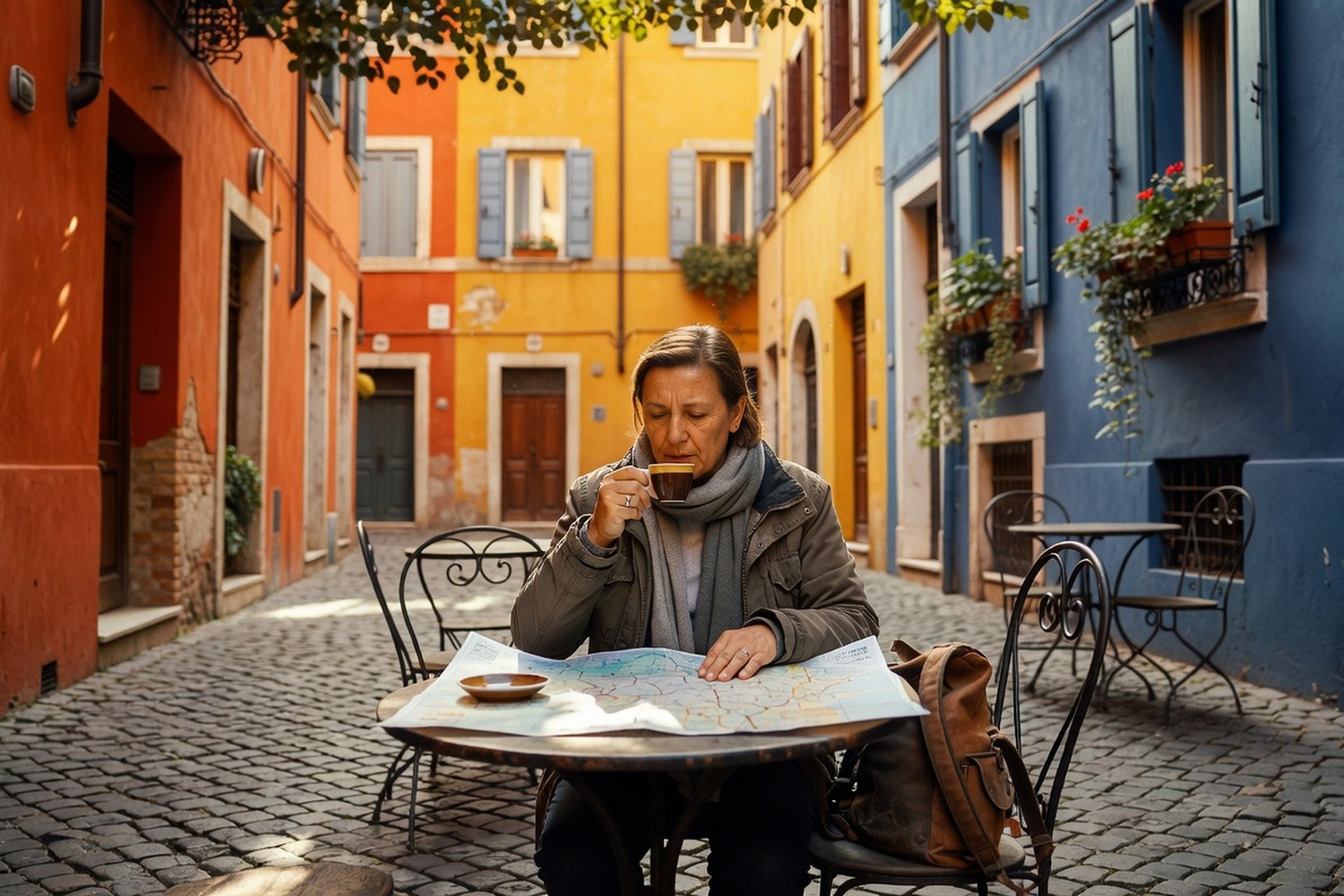
Best Budget Destinations for Solo Travelers in 2026
Not all destinations treat solo travelers equally. Some places have infrastructure practically built for it; others punish you financially at every turn with single supplements and couple-oriented pricing. After years of traveling alone across four continents, here are my top picks for the best combination of cost, safety, and solo-friendliness.
Portugal is my number-one recommendation for anyone doing their first solo trip, especially if you’re coming from the US. Lisbon and Porto are walkable, the public transit is excellent, English is widely spoken, and the food scene is phenomenal without being expensive. A solid meal with wine runs $12-18. Hostels with private rooms go for $25-40 a night. The country feels safe at all hours, and the backpacker infrastructure means you’ll meet other solo travelers constantly if you want company.
Thailand remains the gold standard for budget travel in Asia. Bangkok, Chiang Mai, and the islands each offer completely different experiences, and you can bounce between them on domestic flights that cost $30-50. Street food meals land between $1 and $3. Guesthouses run $8-15. The country is extraordinarily welcoming to solo visitors, with a well-established backpacker trail that makes navigation foolproof even for first-timers.
Japan surprises people who assume it’s expensive. It absolutely can be if you stay in Tokyo hotels and eat at high-end sushi bars. But with a Japan Rail Pass, budget ryokans, convenience store meals that are genuinely delicious, and the most efficient public transit system on earth, you can do Japan comfortably for $60-80 a day. The safety factor is unmatched anywhere in the world — violent crime against tourists is statistically almost nonexistent.
Top solo travel destinations compared on daily cost, safety, and language accessibility (2026 estimates).
Using Reward Points Strategically as a Solo Traveler
Here’s where solo travel delivers an advantage that couples and families literally cannot access: your points go further because you only need to cover one person. A business class award ticket that costs 70,000 points? That’s one seat, not two. A hotel redemption for 25,000 points per night? You’re not splitting the value across multiple people — every point of that redemption is working exclusively for you.
The sweet spot for solo travelers is premium cabin flights booked with transferable credit card points. A business class seat to Europe running $4,000 in cash can often be booked for 60,000-70,000 transferred points. That’s 5-6 cents per point in value. Try doing that for a family of four and you need 280,000 points for the same experience. Our travel reward points guide covers the specific transfer partners and booking strategies in detail.
Hotel points work differently as a solo traveler. You’re paying the full room rate in points whether one person or two sleeps in the bed, so the per-person value is technically lower. The workaround: use points for expensive destinations where cash rates are inflated, and pay cash for budget destinations where rooms are already cheap. Burning 40,000 Marriott points on a $500-a-night Tokyo hotel is brilliant. Burning 15,000 points on a $45 guesthouse in Chiang Mai is wasteful.
For the foundation of earning those points efficiently, our guide to maximizing credit card rewards walks through which cards pair best with different spending profiles. Stack a sign-up bonus with category spending, and you can fund a week-long international solo trip within your first few months of card ownership.
💡 Pro Tip
Many airline programs allow free stopovers on award tickets. You can visit two cities for the cost of one award. ANA lets you stop in Tokyo on the way to Southeast Asia at no extra points. As a solo traveler, this flexibility is easy to use since you’re only coordinating with yourself.
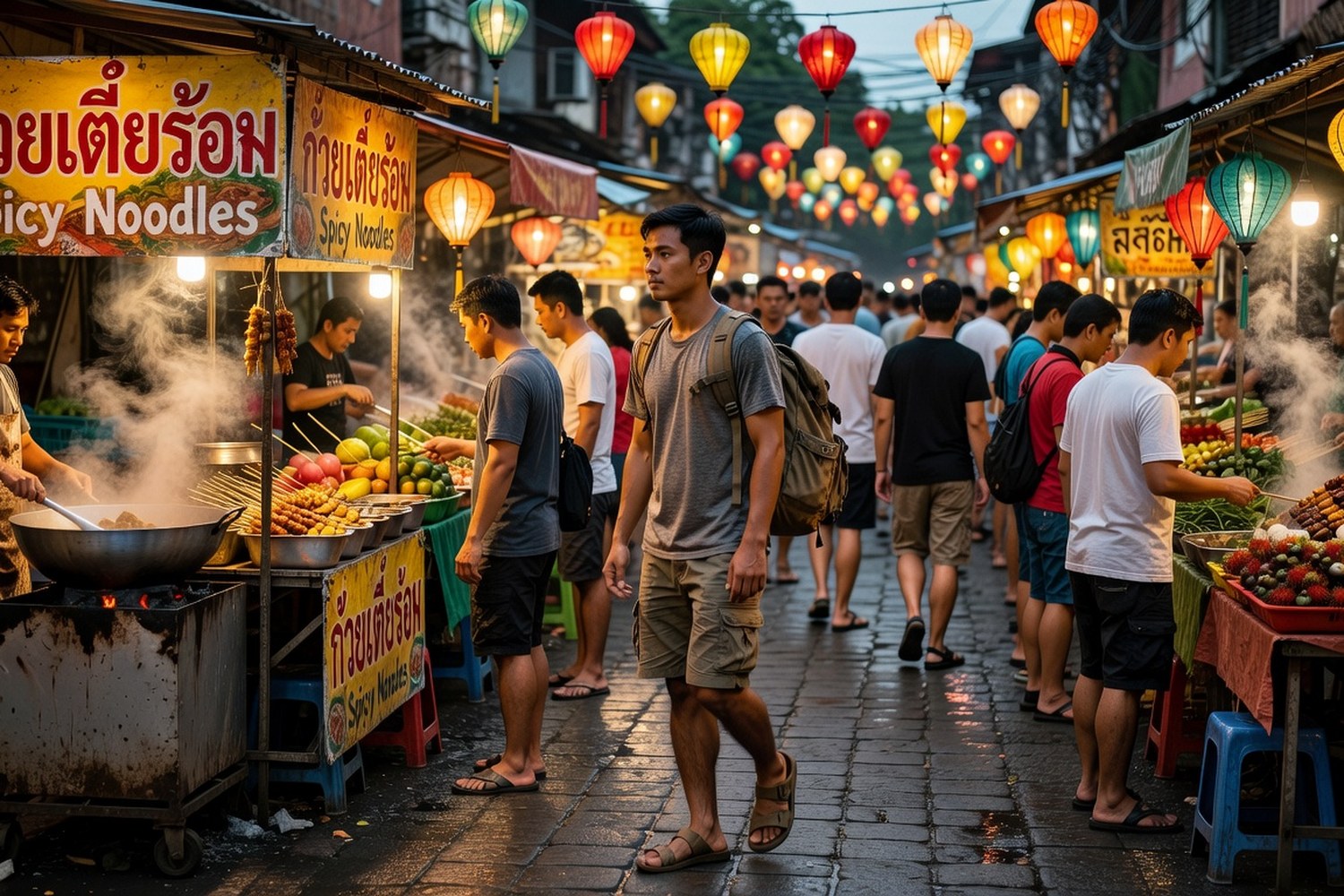
Safety Essentials That Cost Nothing
Let me be direct about something: the number one reason people don’t travel solo isn’t money. It’s fear. And while that fear is understandable — especially for women and first-time travelers — the actual risks of solo travel are dramatically lower than most people imagine, as long as you follow a handful of simple practices.
Share your itinerary with someone at home. Before every trip, I send a trusted friend a document with my flight numbers, hotel addresses, and a rough daily plan. I check in via text every evening. If I go silent for 24 hours, they know exactly where I’m supposed to be. This costs nothing and provides enormous peace of mind for both of you.
Arrive in daylight. Most sketchy situations happen when solo travelers land in unfamiliar cities late at night without a clear plan for getting to their accommodation. Book flights and trains that get you in before dark. If a late arrival is unavoidable, pre-arrange your airport transfer rather than winging it with random taxi drivers at 1am.
Keep a decoy wallet. Carry a cheap wallet with expired cards and a small amount of local cash. If you ever get pickpocketed or confronted, hand over the decoy. Your real cards and cash stay in a money belt or hidden pocket. The US State Department travel advisory page is worth checking before any trip for country-specific safety information.
Trust your gut aggressively. If a situation feels wrong, leave immediately. You don’t owe politeness to anyone who makes you uncomfortable. The social pressure to be friendly is the number one vulnerability that scam artists exploit with solo travelers. Being rude to a stranger who gives you a bad feeling is always the right call.
For the broader financial side of international travel, including insurance and hidden fees that catch people off guard, our hidden costs of travel guide covers what most packing lists leave out.
Beating the Single Supplement Problem
The “single supplement” is a markup — typically 30-70% — that hotels and tour operators charge solo travelers for occupying a room alone. It’s the one genuine financial disadvantage of traveling by yourself, and it’s infuriating. But it’s also largely avoidable if you know where to look.
Hostels with private rooms are the easiest solution. Modern hostels in 2026 are nothing like the grimy backpacker dorms of twenty years ago. Chains like Selina, Generator, and MEININGER offer private ensuite rooms with hotel-quality beds for $25-60 a night, often with coworking spaces, bars, and organized social events built in. You get your own space without paying a single supplement.
Vacation rentals through platforms like Airbnb and Vrbo are priced by property, not by guest. A studio apartment for $45 a night costs the same whether one person or two sleeps there. In many destinations, a rental with a kitchen also lets you cook some meals, further cutting your daily budget.
Hotel loyalty status can eliminate supplements entirely. Marriott Bonvoy Gold and Hilton Honors Silver — both achievable through credit card sign-ups without a single hotel stay — include room upgrades and sometimes waived single supplements at qualifying properties. Worth pursuing if you travel more than a few times per year.
For more strategies on keeping accommodation costs down, our guide to saving on flights and hotels has specific tactics that stack with the solo traveler advantages here.
💡 Pro Tip
Book directly through hotel websites instead of through OTAs (Expedia, Booking.com). Many hotels offer a best-rate guarantee when booking direct, plus you earn loyalty points and get more flexible cancellation policies. Solo travelers benefit most from flexibility since your plans are likelier to shift on the fly.
Building Your First Solo Trip Budget
Planning a solo trip budget is simpler than a group trip because you’re the only variable. Here’s the framework I use, and it’s worked across trips to over thirty countries.
Start with flights. Set fare alerts on Google Flights for your target destinations three to four months out. As a solo traveler, you have the ultimate advantage: you can book the cheapest date on the calendar without negotiating vacation schedules with anyone. Midweek departures typically save 20-40% over weekend flights. Use points for premium cabins when the value is high, and pay cash for budget carriers when fares are already cheap.
Estimate daily spending in three tiers. Research your destination and build a realistic daily number. Budget tier: hostels, street food, public transit, free attractions. Mid-range tier: guesthouses, sit-down restaurants, occasional taxis, paid activities. Comfort tier: hotels, nicer dining, tours, rideshares. Pick the tier that matches your actual preferences, not the tier that sounds most impressive on Reddit. Then add 15% as a buffer for the unexpected.
Don’t forget the invisible costs. Travel insurance (absolutely non-negotiable for solo travelers), foreign transaction fees if your cards charge them, SIM cards or international data plans, visa fees, and airport transfers. Our guide on traveling without overspending breaks these hidden expenses down with specific cost estimates by region.
If you’re nervous about taking the leap, start small. A three-day solo weekend trip to a domestic city you’ve never visited. Stay at a well-reviewed hostel. Eat where the locals eat. Navigate by yourself. If you enjoy it — and almost everyone does, once they try it — scale up to an international trip. The skills transfer completely, and so does the confidence.
One more thing. The US Customs and Border Protection travel page has current entry requirements and documentation guides for returning to the US. Bookmark it before any international trip so you’re not scrambling for information at the airport.
References
- Bureau of Transportation Statistics. (2025). “Annual US Domestic Average Itinerary Fare.” https://www.bts.gov
- US State Department. (2026). “Travel Advisories.” https://travel.state.gov
- US Customs and Border Protection. (2026). “Travel Information.” https://www.cbp.gov
Keep Reading
If you found this guide helpful, check out these related articles: